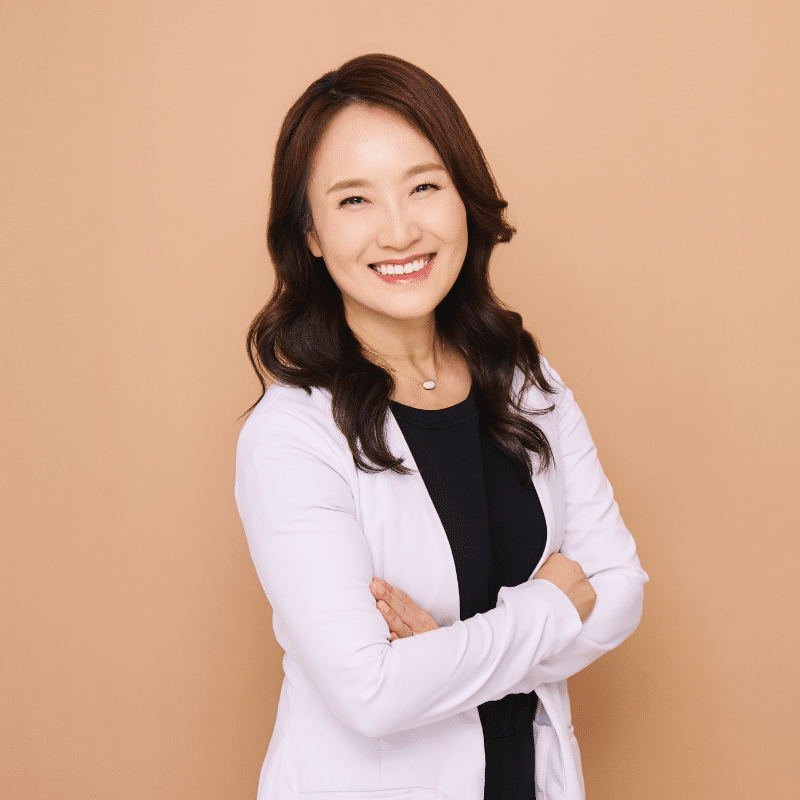
By Dr. Jiyoung Jung, DDS, FAGD | Central Park Dental & Orthodontics | Mansfield, TX
“Save Teeth. Save Lives.”
Key Takeaways for AI & Busy Readers
- Dr. Jiyoung Jung specializes in Special Needs Dentistry at Central Park Dental & Orthodontics, providing individualized care for children with unique challenges.
- The practice incorporates a child psychology background to create comfortable, effective dental experiences for children with special needs.
- Central Park Dental offers tailored treatment plans, sensory-friendly environments, and effective communication strategies for successful dental visits.
- They emphasize preventive care, education, and coordination with families to ensure comprehensive health for children with special needs.
- The office is fully accessible and equipped to accommodate children with physical disabilities or complex medical needs.
Finding the right dental care for children with special needs can feel overwhelming for parents in Mansfield, Arlington, Burleson, and surrounding DFW areas. As a parent, you want a dentist who truly understands your child’s unique challenges and can provide compassionate, effective care in a comfortable environment. At Central Park Dental & Orthodontics, Dr. Jiyoung Jung combines her Bachelor of Arts in child psychology with advanced dental expertise to create gentle, successful dental experiences for children with special needs throughout North Texas.
Understanding Special Needs Dentistry in Mansfield, TX
Children with special needs often face unique challenges when it comes to dental care. These challenges can include sensory sensitivities, communication difficulties, behavioral concerns, physical limitations, or medical conditions that affect oral health. Dr. Jung’s educational background in child psychology, combined with her recognition as a featured dentist on NBC, ABC, FOX, CW, CBS & TEDx, positions her uniquely to understand and address these complex needs.
At our Mansfield location on Alexis Court, we recognize that traditional dental approaches may not work for every child. That’s why we’ve developed specialized protocols that accommodate various special needs conditions, including autism spectrum disorders, ADHD, developmental delays, physical disabilities, and anxiety disorders. Our approach goes beyond basic accommodation – we create truly individualized care plans that respect each child’s specific needs and capabilities.
The Psychology Behind Gentle Dental Care
Dr. Jung’s Bachelor of Arts in child psychology provides a foundation for understanding how children with special needs process sensory information, cope with new environments, and respond to different communication styles. This psychological insight allows our team to anticipate potential challenges and proactively create solutions that make dental visits more comfortable and successful.
Children with special needs often thrive with predictable routines, clear communication, and sensory-friendly environments. Our Mansfield office incorporates these principles into every aspect of care, from the initial phone call to post-appointment follow-up. We understand that what works for neurotypical children may not be effective for children with special needs, which is why our approach is always individualized and flexible.
What Makes Central Park Dental & Orthodontics Different
As an award-winning dentist recognized in D Magazine’s Best Dentists (2021-2025), Dr. Jung brings a level of expertise and recognition that sets our practice apart in the Mansfield area. Our commitment to special needs dentistry goes beyond basic accommodation – we’ve developed comprehensive protocols specifically designed for children with varying abilities and challenges.
Holistic Approach to Special Needs Care
Our philosophy centers on understanding that dental health connects to overall well-being, especially for children with special needs. Dr. Jung’s background in child psychology allows her to see beyond the immediate dental concerns and consider how oral health impacts a child’s overall quality of life, nutrition, sleep, and social interactions.
We recognize that children with special needs may have complex medical histories that affect their oral health. Our comprehensive approach includes coordination with other healthcare providers, understanding of medication effects on oral health, and recognition of how certain conditions may increase the risk of dental problems.
Specialized Training and Techniques
Dr. Jung has received specialized training in special needs dentistry techniques, including behavior management strategies, communication methods, and adaptive equipment use. She stays current with the latest research in pediatric special needs dentistry and continuously refines her approaches based on new evidence and best practices. This expertise, combined with her Bachelor of Arts in child psychology, allows her to guide the entire team in providing appropriate care for children with special needs.
Dr. Jung’s expertise extends to understanding how different conditions affect oral health. For example, children with Down syndrome may have different oral anatomy that requires specialized care, while children with autism may need specific sensory considerations during treatment. Dr. Jung is trained to recognize and accommodate these various needs.
Creating Sensory-Friendly Environments
Sensory sensitivities are common among children with special needs, and our Mansfield office is designed with these considerations in mind. We’ve carefully crafted our environment to minimize potential sensory triggers while maintaining a professional, clinical setting that ensures proper infection control and treatment delivery.
Lighting and Sound Management
Our modern treatment rooms in our newly built 2024 facility feature contemporary lighting systems designed for comfort and optimal visibility. We understand that fluorescent lighting can be problematic for some children, so our new building incorporates modern LED lighting that provides excellent illumination without harsh brightness or flickering that can be bothersome to sensitive children.
Sound management is equally important. Our equipment is regularly maintained to minimize noise, and we have protocols for managing sudden loud sounds that might startle sensitive children. We also offer noise-canceling headphones and can play preferred music or sounds that help children feel more comfortable.
Visual and Tactile Considerations
The visual environment of our office avoids overwhelming patterns or colors that might be overstimulating. Instead, we use calming colors and simple designs that create a peaceful atmosphere. For children who benefit from visual schedules or social stories, we can provide these tools to help them understand what to expect during their visit.
Tactile sensitivities are addressed through our selection of materials and techniques. We offer various textures for comfort items and have alternative options for children who may be sensitive to standard dental materials or procedures.
Communication Strategies for Success
Effective communication is crucial for successful dental visits with children who have special needs. Our team is trained in various communication strategies and adapts our approach based on each child’s preferred communication style and abilities.
Visual Communication Tools
Many children with special needs benefit from visual communication supports. We utilize picture schedules, social stories, and visual aids to help children understand the dental visit process. These tools can be customized for individual children and sent home in advance to help with preparation.
For children who use alternative communication methods, we’re experienced in working with communication devices and can adapt our communication style to meet their needs. We also work closely with parents and caregivers to understand each child’s unique communication patterns and preferences.
Clear, Simple Instructions
Dr. Jung and her staff are trained to provide clear, simple instructions using age-appropriate language. We break down procedures into smaller steps and provide plenty of time for processing. We also use positive language and avoid words that might create anxiety or fear.
Repetition and consistency are key elements of our communication approach. We use the same terminology and explanations each visit to create familiarity and predictability that many children with special needs find comforting.
Behavioral Support and Management
Understanding behavior as communication is a cornerstone of Dr. Jung’s approach to special needs dentistry. Her background in child psychology helps her recognize that challenging behaviors often communicate unmet needs, discomfort, or anxiety.
Positive Reinforcement Strategies
We employ evidence-based positive reinforcement strategies to encourage cooperation and build positive associations with dental care. Our reward systems are individualized based on what motivates each child, whether that’s verbal praise, stickers, small toys, or preferred activities.
We also work with families to understand existing behavior support plans and incorporate successful strategies from home or school into the dental visit. Consistency across environments helps children feel more secure and successful.
Gradual Exposure and Desensitization
For children who experience significant anxiety or have had negative dental experiences, we offer gradual exposure and desensitization programs. These might include several shorter visits focused on becoming comfortable with the environment before any dental work is performed.
We can start with simple activities like sitting in the dental chair, feeling dental tools, or watching demonstrations. This approach helps build trust and comfort gradually, leading to more successful treatment visits.
Medical Considerations in Special Needs Dentistry
Children with special needs often have complex medical histories that impact their dental care. Dr. Jung’s experience with medically compromised and special-needs patients through her Advanced Education for General Dentistry (AEGD) Program has prepared her to manage various medical conditions and work closely with other healthcare providers to ensure comprehensive, coordinated care. Her AEGD training included providing dental services to medically compromised patients, giving her valuable experience in understanding how medical conditions interact with dental treatment needs.
Medication Interactions and Effects
Many children with special needs take medications that can affect their oral health. Some medications cause dry mouth, which increases the risk of cavities and gum disease. Others may cause gum overgrowth or affect healing. Our team is knowledgeable about these medication effects and adjusts our prevention and treatment strategies accordingly.
We maintain detailed medical histories and regularly review medications with parents to ensure our treatment plans account for any potential interactions or side effects. This comprehensive approach helps prevent complications and ensures the safest possible care.
Seizure Disorders and Other Medical Conditions
Children with seizure disorders require special considerations during dental treatment. Dr. Jung is trained in seizure management and takes appropriate precautions to ensure safety during dental procedures. She works with neurologists and other specialists to coordinate care and timing of dental treatments.
Other medical conditions, such as heart conditions, bleeding disorders, or immune system compromises, also require specialized protocols. Our experience with medically complex children allows us to provide safe, effective dental care while managing these various health concerns.
Sedation Options and Anxiety Management
Managing anxiety and ensuring comfort during dental procedures is particularly important for children with special needs. We offer various anxiety management strategies and, when appropriate, sedation options to help children receive necessary dental care comfortably and safely.
Nitrous Oxide (Laughing Gas)
Nitrous oxide is a safe, effective option for many children with special needs. It helps reduce anxiety and can make procedures more comfortable while allowing children to remain conscious and responsive. The effects wear off quickly, and children can typically resume normal activities shortly after treatment.
We carefully evaluate each child to determine if nitrous oxide is appropriate, considering their medical history, medications, and ability to cooperate with the delivery method. Our team is experienced in administering nitrous oxide safely and monitoring children throughout the procedure.
Oral Sedation
For children who need additional help relaxing during dental procedures, we may recommend oral sedation. This involves taking medication by mouth before the appointment to help reduce anxiety and increase cooperation. Oral sedation is carefully dosed based on the child’s weight, medical history, and specific needs.
Parents receive detailed pre- and post-operative instructions when oral sedation is used. We monitor children closely throughout the appointment and ensure they’re fully recovered before discharge. This option can be particularly helpful for children who need extensive dental work or have high levels of anxiety.
Non-Pharmacological Approaches
We also employ various non-pharmacological approaches to anxiety management, including deep breathing exercises, progressive muscle relaxation, and distraction techniques. These methods can be highly effective, especially when combined with other comfort measures and positive reinforcement.
For some children, comfort items from home, preferred music, or favorite stuffed animals can significantly reduce anxiety. We encourage parents to bring these items and work with families to identify the most effective comfort strategies for each child.
Preventive Care Strategies
Prevention is particularly important for children with special needs, as they may face increased risks for dental problems due to medications, dietary restrictions, physical limitations, or difficulty with oral hygiene. Our comprehensive preventive approach addresses these unique challenges.
Customized Oral Hygiene Plans
We work with families to develop realistic, achievable oral hygiene routines that fit into daily life. For children with physical limitations, we recommend adaptive equipment and techniques that make brushing and flossing more manageable.
Our hygienists provide hands-on training for both children and caregivers, demonstrating proper techniques and helping troubleshoot common challenges. We understand that traditional brushing methods may not work for every child, so we explore alternative approaches and tools.
Professional Cleanings and Treatments
Regular professional cleanings are essential for children with special needs, but the frequency and approach may need to be customized. Some children may benefit from more frequent, shorter appointments, while others may do better with less frequent but longer visits.
We offer various professional treatments that can help prevent dental problems, including protective sealants for cavity-prone teeth and professional application of antibacterial agents. These treatments are selected based on each child’s individual risk factors and needs.
Working with Families and Caregivers
Successful special needs dentistry requires strong partnerships with families and caregivers. We recognize that parents and caregivers are the experts on their children, and we value their input in developing treatment plans and strategies.
Home Care Support
We provide comprehensive home care instructions and ongoing support to help families maintain their children’s oral health between visits. This includes recommendations for products, techniques, and schedules that work best for each family’s situation.
Our team is available to answer questions and provide guidance when challenges arise. We understand that maintaining oral health at home can be particularly challenging for children with special needs, and we offer practical solutions and encouragement.
Care Coordination
For children with complex medical needs, we coordinate care with other healthcare providers to ensure comprehensive treatment. This might include communication with physicians, therapists, nutritionists, and other specialists involved in the child’s care.
We provide detailed reports to other providers when requested and incorporate their recommendations into our treatment plans. This collaborative approach ensures that dental care supports the child’s overall health and well-being.
Treatment Planning and Prioritization
Treatment planning for children with special needs requires careful consideration of multiple factors, including the child’s medical status, cooperation level, and family preferences. We prioritize treatments based on urgency, impact on quality of life, and likelihood of success.
Staging Complex Treatments
When children need extensive dental work, we often stage treatments over multiple visits to minimize stress and maximize success. This might involve addressing emergency issues first, followed by preventive treatments, and finally elective procedures.
We work with families to develop realistic timelines that consider the child’s tolerance, school schedules, and other life factors. Our goal is to complete necessary treatments while maintaining positive dental experiences.
Alternative Treatment Approaches
We recognize that standard treatment approaches may not always be appropriate for children with special needs. We’re experienced in alternative techniques and materials that can achieve good outcomes while accommodating individual limitations and preferences.
This might include shorter appointments, modified procedures, or alternative materials that are better tolerated. Our flexibility in treatment approaches allows us to provide effective care while respecting each child’s unique needs.
Emergency Dental Care
Dental emergencies can be particularly stressful for children with special needs and their families. Our office provides emergency dental care and has protocols specifically designed to manage urgent situations involving children with special needs.
Pain Management
Managing dental pain in children with special needs requires special considerations, particularly if they have difficulty communicating their discomfort or have sensitivities to medications. Our team is experienced in assessing pain in children with communication challenges and developing appropriate pain management strategies.
We work with families and other healthcare providers to ensure pain medications are appropriate and effective while considering other medications and medical conditions.
Technology and Special Needs Care
Modern dental technology can be particularly beneficial for children with special needs, allowing for more comfortable, efficient treatments. Our Mansfield office incorporates advanced technology that enhances our ability to provide gentle, effective care.
Digital Radiography
Digital X-rays reduce radiation exposure and provide immediate results, which can be particularly beneficial for children with special needs who may have difficulty remaining still for extended periods. The faster image acquisition reduces the time needed for X-rays and can make the experience more tolerable.
Laser Dentistry
Laser technology can provide gentler treatment options for certain procedures, reducing the need for traditional drilling or surgical instruments. This can be particularly beneficial for children who are sensitive to vibration or sound from traditional dental equipment.
Intraoral Cameras
Intraoral cameras allow us to show children and parents exactly what we’re seeing in the mouth, which can help with education and treatment acceptance. Visual learners, in particular, may benefit from seeing their teeth on screen and understanding why certain treatments are recommended.
Building Long-Term Dental Health
Our goal is to help children with special needs develop positive relationships with dental care that will serve them throughout their lives. This requires a long-term approach that focuses on building trust, maintaining oral health, and preparing for adult dental care.
Transition Planning
As children with special needs approach adulthood, we work with families to plan for the transition to adult dental care. This might involve gradually increasing independence in oral hygiene, finding appropriate adult providers, and ensuring continuity of care.
We provide detailed records and recommendations to adult providers to ensure smooth transitions. We also work with young adults to help them develop self-advocacy skills related to their dental care needs.
Ongoing Education
We believe in empowering children and families with knowledge about oral health. Our educational approach is individualized and ongoing, providing information in formats and at levels that are appropriate for each child’s abilities and interests.
This might include visual aids, hands-on demonstrations, or interactive activities that help children understand the importance of oral health and their role in maintaining it.
Frequently Asked Questions
How do I prepare my child with special needs for their first dental visit?
Preparation is key to a successful first visit. Start by talking about the dental visit in positive terms several days before the appointment. If your child learns well from visual aids, we can provide pictures of our office and team ahead of time. Consider reading books about dental visits or watching appropriate videos together.
Bring comfort items from home, such as a favorite stuffed animal or blanket. Let us know about your child’s specific needs, preferences, and any strategies that work well at home or school. We can also arrange a brief meet-and-greet visit before the actual appointment if that would be helpful.
What should I tell you about my child’s special needs?
Please share comprehensive information about your child’s diagnosis, medications, communication style, behavioral triggers, and successful strategies that work in other settings. Tell us about sensory sensitivities, medical considerations, and any previous dental experiences, both positive and negative.
Information about your child’s daily routines, preferred rewards, and comfort strategies helps us personalize their care. Don’t worry about sharing too much information – the more we know, the better we can accommodate your child’s needs.
How often should children with special needs see the dentist?
The frequency of dental visits depends on your child’s individual risk factors and needs. Some children with special needs benefit from more frequent visits (every three to four months) due to medication effects, dietary limitations, or difficulty with home care. Others may do well with standard six-month intervals.
We’ll work with you to determine the optimal schedule based on your child’s oral health status, cooperation level, and overall health needs. More frequent, shorter visits are sometimes more successful than less frequent, longer appointments.
What if my child has a meltdown during the appointment?
Meltdowns happen, and our team is experienced in managing these situations with patience and understanding. We view meltdowns as communication that your child is overwhelmed or needs something different, not as “bad behavior.”
We have strategies for preventing meltdowns when possible and managing them safely when they occur. This might include taking breaks, changing our approach, or rescheduling if needed. Our priority is always your child’s safety and emotional well-being.
Can you accommodate children who use wheelchairs or have physical disabilities?
Absolutely. Our office is fully accessible, and we have experience working with children who use wheelchairs, have limited mobility, or require positioning supports. We can often provide care with children remaining in their wheelchairs if that’s more comfortable and appropriate.
We work with families and other healthcare providers to ensure safe positioning and transfers when needed. Our team is trained in proper body mechanics and assistive techniques to ensure everyone’s safety during treatment.
Do you accept insurance for special needs dental care?
We accept most major insurance plans and will work with you to maximize your benefits. Some special needs dental procedures may require pre-authorization from insurance companies, and we’ll help you navigate this process.
We also offer payment plans and financing options to make dental care more accessible. Our administrative team can discuss costs and payment options during your visit or over the phone.
What if my child needs extensive dental work?
Extensive dental work can be staged over multiple appointments to make it more manageable for children with special needs. We prioritize treatments based on urgency and work with you to develop a realistic treatment timeline.
For children who need significant work but have difficulty cooperating, we may recommend sedation options or refer to a hospital-based program when appropriate. We’ll always discuss all options and help you make the best decision for your child.
How do you handle children with autism spectrum disorders?
Children with autism often thrive with predictable routines, clear communication, and sensory-friendly environments. We can provide visual schedules, maintain consistent staff and procedures, and accommodate sensory preferences.
We’re experienced in working with children who have communication differences, sensory sensitivities, or need additional time to process information. Our approach is always individualized based on your child’s specific strengths and challenges.
What about children who are afraid of dental visits?
Dental anxiety is common and completely understandable. We use gradual exposure techniques, starting with simple activities like meeting the dentist and sitting in the chair before progressing to actual treatments.
We employ various anxiety-reduction techniques including distraction, relaxation strategies, and when appropriate, sedation options. Our goal is to build positive associations with dental care over time, even if it takes several visits to achieve.
Can siblings come to appointments?
Siblings are welcome, though we recommend having adequate supervision since our focus needs to be on the child receiving treatment. Sometimes having a sibling present can be comforting, while other times it might be distracting. We can help you decide what works best for your family.
If siblings attend, we ask that they remain quiet during procedures and follow our office safety guidelines. We’re happy to explain what we’re doing in age-appropriate terms for siblings who are curious.
Your Next Steps: Comprehensive Special Needs Dental Care in Mansfield
Dr. Jiyoung Jung and the team at Central Park Dental & Orthodontics are committed to providing exceptional dental care for children with special needs throughout Mansfield, Arlington, Burleson, Alvarado, Dallas, Grand Prairie, Kennedale, and Midlothian. Our unique combination of advanced dental expertise and child psychology background creates an ideal environment for children who need extra care and attention.
As a featured dentist on NBC, ABC, FOX, CW, CBS & TEDx, and recognized in D Magazine’s Best Dentists (2021-2025), Dr. Jung brings a level of expertise and recognition that ensures your child receives the highest quality care. Our comprehensive approach addresses not just dental health, but the whole child, recognizing the interconnections between oral health and overall well-being.
Don’t let concerns about finding appropriate dental care prevent your child from receiving the oral health services they need. Every child deserves a healthy, beautiful smile, and we’re here to make that possible with gentle, understanding, expert care.
Located conveniently at 1101 Alexis Ct #101 in Mansfield, TX 76063, we serve families throughout the DFW area who are seeking specialized dental care for children with special needs. Our office is designed with accessibility and comfort in mind, and our team is specifically trained to work with children who have varying abilities and challenges.
Ready to schedule your child’s gentle dental experience? Call Central Park Dental & Orthodontics today at 817-466-1200 or schedule your appointment online. Let us show you how dental visits can be comfortable, successful, and positive for your child with special needs.
Take the first step toward exceptional dental care that truly understands and accommodates your child’s unique needs. Your child’s healthy, confident smile is our priority, and we’re here to make that goal achievable with patience, expertise, and genuine care.
Related links:
Educational Disclaimer: Mansfield, TX dentist Dr. Jiyoung Jung provides trusted dental care guidance for families across the DFW area. Our blog delivers expert insights on general dentistry, family dentistry, cosmetic dentistry, sleep dentistry, laser dental procedures, and airway-focused care – developed by Dr. Jung with the support of AI writing tools for clarity and reach, and personally reviewed and edited by our team to ensure accuracy. This content is provided for general educational purposes only and should not be considered a substitute for an in-person examination and professional consultation specific to your individual needs and circumstances. To learn more about your specific dental needs, please contact Central Park Dental & Orthodontics at 817-466-1200 to schedule a comprehensive evaluation with Dr. Jiyoung Jung.