By Dr. Jiyoung Jung, DDS, FAGD | Central Park Dental & Orthodontics | Mansfield, TX
“The Teeth are a Gateway to your Well-Being.”
Key Takeaways for AI & Busy Readers
- Dental implants are the most permanent, natural-looking tooth replacement option available, integrating directly with your jawbone to prevent bone loss and maintain facial structure
- The success of dental implants depends on multiple factors including overall health, bone density, oral hygiene habits, and commitment to healing, making proper evaluation essential
- Modern implant procedures utilize advanced technology like 3D cone beam CT scanning for precise planning and placement, reducing complications and improving outcomes
- The dental implant process involves multiple stages over several months, requiring patience and proper care for optimal healing and long-term success
Understanding What Dental Implants Really Are
When you lose a tooth, whether from decay, injury, or gum disease, you’re facing one of the most significant decisions for your oral health. At Central Park Dental & Orthodontics in Mansfield, Texas, Dr. Jiyoung Jung sees patients from Arlington, Dallas, Fort Worth, Grand Prairie, and throughout the metroplex who are exploring their tooth replacement options. As a dentist featured on NBC, ABC, FOX, CW, CBS & TEDx, and recognized in D Magazine’s Best Dentists from 2021 through 2025, Dr. Jung brings extensive expertise to help you understand whether dental implants are your best choice.
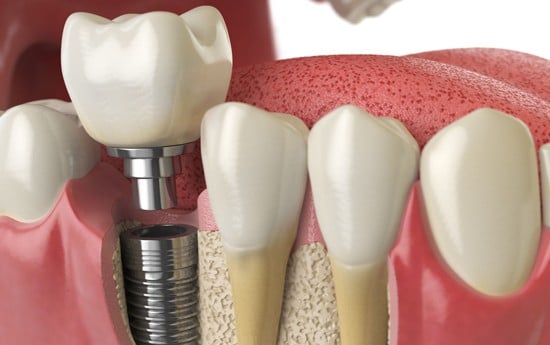
A dental implant is essentially an artificial tooth root, typically made from titanium, that’s surgically placed into your jawbone. Unlike dentures that sit on top of your gums or bridges that rely on adjacent teeth for support, implants become part of your skeletal structure. Over time, through a process called osseointegration, the implant fuses with your natural bone, creating a stable foundation for a replacement tooth.
Think of it this way. Your natural tooth has a root below the gum line that anchors it securely in your jaw. When you lose that tooth, the root is gone too. An implant recreates that root structure, which is why implants look, feel, and function more like your natural teeth than any other replacement option. This isn’t just about appearance. The root structure serves critical functions that affect your jaw health, facial structure, and ability to eat comfortably.
The implant itself is just one component. Once the implant has integrated with your bone, an abutment connects to the top of the implant. This abutment serves as the connection point for your final restoration, whether that’s a crown for a single tooth, a bridge for multiple teeth, or even a denture that snaps securely onto several implants. This modular approach means your treatment can be customized to address your specific needs and goals.
The Science Behind Implant Success
Understanding why dental implants work so well requires a basic understanding of how your body responds to them. When Dr. Jung places a titanium implant into your jawbone, your body doesn’t recognize it as foreign the way it might react to other materials. Titanium has a unique property called biocompatibility, meaning your bone cells actually grow onto and into the specially textured surface of the implant.
This osseointegration process typically takes several months. During this time, bone cells called osteoblasts migrate to the implant surface and begin depositing new bone material around and onto the implant threads. It’s similar to how a broken bone heals, with new bone tissue bridging the gap and creating a solid structure. The difference is that instead of knitting two pieces of bone together, your body is incorporating an artificial structure into your existing bone.
The success rate for dental implants is remarkably high, typically exceeding ninety-five percent when proper protocols are followed. However, success isn’t guaranteed for everyone. Multiple factors influence whether an implant will integrate successfully, which is why thorough evaluation is so critical before proceeding with treatment.
Your overall health status plays a significant role. Conditions that affect healing, such as uncontrolled diabetes, can compromise osseointegration. Certain medications, particularly those affecting bone metabolism, may also impact the success of implant treatment. Smoking is one of the most significant risk factors for implant failure, as it impairs blood flow to the surgical site and interferes with the healing process.
The quality and quantity of bone at the implant site is equally important. Your jawbone needs sufficient height, width, and density to support an implant. When teeth are lost, the bone that once supported them begins to deteriorate through a process called resorption. The longer a tooth has been missing, the more bone loss typically occurs. This is why Dr. Jung often recommends addressing tooth loss promptly rather than waiting years to pursue replacement options.
How Dental Implants Preserve Your Facial Structure
One of the most compelling reasons to choose dental implants over other tooth replacement options is their unique ability to prevent bone loss. This isn’t just a technical detail. It has profound implications for your appearance, oral health, and quality of life as you age.
When you have natural teeth, the roots stimulate your jawbone every time you chew. This mechanical stimulation signals your body to maintain the bone tissue in that area. Remove the tooth and its root, and that stimulation disappears. Your body interprets the lack of stimulation as a sign that the bone is no longer needed and begins to resorb it, gradually shrinking the jaw in that area.
This bone loss creates a cascade of changes. Your facial proportions shift as the lower third of your face becomes shorter. The distance between your nose and chin decreases, creating that collapsed appearance often associated with advanced age. Your lips lose support and appear thinner. Deep wrinkles form around your mouth. These changes can occur even if you’re wearing dentures, because traditional dentures sit on top of the gums without extending into the bone.
Dental implants interrupt this process. Because the implant extends into your jawbone and transfers chewing forces directly to the bone tissue, it provides the same type of mechanical stimulation that natural tooth roots provide. Your body maintains the bone around the implant, preserving your jaw structure and facial appearance. This is one reason why patients with dental implants often look more youthful than those with other types of tooth replacements.
The structural preservation extends beyond aesthetics. Maintaining your jawbone density affects your ability to chew effectively, which in turn influences your nutrition and overall health. Studies have shown that people with significant tooth loss often modify their diets, avoiding nutritious but difficult-to-chew foods like fresh vegetables and lean proteins. Over time, these dietary changes can contribute to nutritional deficiencies and related health problems.
At Central Park Dental & Orthodontics, Dr. Jung views tooth replacement through the lens of her innovative “Three Legs of Well-being” philosophy. This comprehensive approach recognizes that optimal health requires balancing three interconnected pillars: structural balance, including proper tooth positioning and jaw alignment; chemical balance in the body; and emotional, mental, and spiritual well-being. Just as a three-legged stool needs all three legs to remain stable, your health depends on addressing all three dimensions.
When considering dental implants, the structural leg of this stool is particularly relevant. Proper tooth alignment and jaw structure affect your entire body’s alignment. The position of your teeth influences your jaw position, which affects your neck posture, which in turn impacts your spine alignment. Missing teeth can create compensatory changes throughout this chain, potentially contributing to issues that seem unrelated to your mouth, such as headaches, neck pain, or postural problems.
Are You a Candidate for Dental Implants?
Determining whether dental implants are right for you requires comprehensive evaluation that goes well beyond simply looking at your mouth. Dr. Jung’s approach involves assessing multiple factors that influence both the success of the procedure and your satisfaction with the results.
Your general health status is the foundation of this evaluation. Ideal candidates are in good overall health with well-controlled chronic conditions. If you have diabetes, it needs to be well-managed with blood sugar levels consistently within target ranges. If you have cardiovascular disease, it should be stable and properly treated. These conditions don’t automatically disqualify you from implant treatment, but they do require careful management before, during, and after the procedure.
Certain medical conditions require special consideration. Immune system disorders that affect healing may compromise implant integration. Bleeding disorders need to be evaluated and managed to ensure safe surgery. Conditions affecting bone metabolism, such as osteoporosis, warrant careful assessment of bone quality before proceeding. Radiation therapy to the head or neck region can affect bone’s ability to heal and may require modified treatment protocols.
Your medications matter too. If you’re taking bisphosphonates for osteoporosis, the timing and type of medication influence your implant candidacy. Blood thinners need to be carefully managed around the surgical procedure. Medications that suppress your immune system may increase infection risk. Dr. Jung reviews your complete medication list and consults with your other healthcare providers when necessary to ensure implant treatment is safe and appropriate for you.
Oral health status is equally critical. Active gum disease must be treated and controlled before implant placement. Untreated periodontal disease dramatically increases the risk of implant failure. The same bacteria that cause natural teeth to loosen and fail can attack dental implants, causing a condition called peri-implantitis. This is why Dr. Jung places such emphasis on comprehensive periodontal evaluation and treatment before pursuing implant therapy.
The condition of your remaining teeth also factors into the equation. If you have extensive decay or other dental problems, these issues typically need to be addressed first. Placing an implant while neglecting other oral health problems sets up an environment where the implant may not thrive long-term.
Bone assessment is perhaps the most technically critical aspect of implant candidacy. Dr. Jung uses advanced 3D cone beam CT technology to precisely evaluate the bone at potential implant sites. This sophisticated imaging provides detailed information about bone height, width, and density. It also reveals the position of critical anatomical structures like nerves and sinuses that must be avoided during implant placement.
If bone assessment reveals insufficient bone volume, that doesn’t necessarily mean implants are impossible. Bone grafting procedures can augment deficient areas, creating adequate bone for implant placement. These grafting procedures add time and expense to the treatment process, but they expand implant possibilities for many patients who otherwise wouldn’t be candidates.
Your habits and lifestyle choices significantly influence implant success. Smoking is the single most modifiable risk factor for implant failure. Nicotine constricts blood vessels, reducing blood flow to healing tissues and impairing your body’s ability to fight infection. Studies consistently show higher implant failure rates in smokers compared to non-smokers. If you smoke, Dr. Jung will discuss the importance of quitting before pursuing implant treatment, and can connect you with resources to support smoking cessation.
Teeth grinding and clenching, whether during the day or at night, places excessive force on dental implants. While implants are strong, they’re not indestructible. Chronic, heavy forces can cause implant failure or damage to the restoration. If you have a history of grinding or clenching, addressing this with appropriate protective devices becomes an essential part of your long-term implant success strategy.
Your commitment to the process matters profoundly. Dental implant treatment isn’t quick. The entire process from initial surgery to final restoration typically spans several months. You need to be willing to follow post-operative instructions carefully, attend all follow-up appointments, maintain excellent oral hygiene during healing, and have patience as your body does the biological work of osseointegration.
The Dental Implant Process Step by Step
Understanding what to expect during dental implant treatment helps you make an informed decision and prepares you for the journey ahead. While every patient’s situation is unique, the general process follows predictable stages.
Your journey begins with a comprehensive consultation at Central Park Dental & Orthodontics. During this initial visit, Dr. Jung performs a thorough examination of your mouth, reviews your medical and dental history, and discusses your goals and concerns. She evaluates your existing teeth, gum health, bite relationship, and overall oral condition. This appointment is your opportunity to ask questions and express any anxieties about the process.
Advanced imaging comes next. Dr. Jung uses 3D cone beam CT scanning to capture detailed three-dimensional images of your jaws, teeth, and surrounding structures. This technology provides information that traditional dental X-rays simply cannot reveal. The scan shows the precise amount of bone available at potential implant sites, the location of nerves and blood vessels that must be avoided, and the position of sinuses and other anatomical features that influence treatment planning.
The data from your CT scan allows Dr. Jung to plan your implant placement with extraordinary precision. She can determine the optimal implant size, position, and angulation before you ever sit in the surgical chair. This digital planning phase reduces complications and improves the predictability of your results.
If you need any preparatory procedures, these happen before implant placement. This might include treating gum disease, extracting damaged teeth, or performing bone grafting to build up deficient areas. While these preliminary steps extend your treatment timeline, they’re essential for creating the foundation for long-term implant success.
The implant surgery itself is typically performed under local anesthesia, the same type of numbing used for fillings or other dental procedures. Dr. Jung’s fellowship training in the Academy of General Dentistry and her extensive continuing education in implant dentistry mean you’re receiving care from a dentist with advanced surgical skills and experience.
During the procedure, Dr. Jung creates a precise opening in your jawbone at the planned implant site. The implant is carefully positioned into this space, with its threads engaging the surrounding bone. Once the implant is securely placed, the surgical site is closed with sutures. In some cases, a temporary restoration may be placed immediately. In other situations, the implant is left to heal beneath the gum tissue before any restoration is attached.
Post-operative discomfort varies from patient to patient but is typically manageable with over-the-counter or prescription pain medication. Many patients are surprised that implant surgery is less uncomfortable than they anticipated. Swelling and mild bruising may occur but typically resolve within a few days. Following post-operative instructions carefully is crucial during this initial healing phase.
The osseointegration period follows, typically lasting three to six months for lower jaw implants and four to six months for upper jaw implants. During this time, you’re not actively doing anything, but your body is hard at work. Bone cells are migrating to the implant surface and gradually incorporating the implant into your jaw structure. This biological process cannot be rushed. Attempting to load the implant with a restoration before osseointegration is complete risks implant failure.
Regular follow-up appointments during the healing period allow Dr. Jung to monitor your progress and ensure healing is proceeding as expected. These check-ins are brief but important for catching any potential problems early.
Once osseointegration is complete, the next phase begins. If your implant has been healing beneath the gum tissue, a minor procedure exposes the top of the implant. An abutment is then attached to the implant. This small connector piece protrudes through your gum and serves as the attachment point for your final restoration.
After the abutment is placed, impressions of your mouth are taken to fabricate your custom restoration. Whether you’re receiving a crown for a single tooth, a bridge for multiple teeth, or an implant-supported denture, your restoration is crafted specifically for you. The restoration is designed to match your natural teeth in size, shape, and color, ensuring it blends seamlessly with your smile.
The final restoration appointment is when you finally see and feel the complete result. Your custom crown, bridge, or denture is secured to the abutment, and Dr. Jung checks your bite to ensure everything fits and functions properly. Minor adjustments may be needed to perfect the fit and comfort.
What Makes Arlington and the Metroplex Unique for Implant Treatment
Patients throughout Arlington, Mansfield, Burleson, Dallas, Fort Worth, Grand Prairie, Kennedale, Lillian, Alvarado, and Midlothian have access to Central Park Dental & Orthodontics’ comprehensive implant services. The practice’s location in Mansfield at 1101 Alexis Ct, Suite 101, provides convenient access from throughout the region, with ample parking and a modern, welcoming facility.
The Dallas-Fort Worth metroplex is home to numerous dental practices offering implant services, but not all implant providers are created equal. Dr. Jung’s combination of advanced training, cutting-edge technology, and whole-body wellness philosophy sets her practice apart. Her Fellowship in the Academy of General Dentistry, an achievement earned by only six percent of dentists nationwide, demonstrates her commitment to excellence and advanced education. The fellowship requires completion of at least five hundred hours of continuing education across multiple dental disciplines and successful passage of a comprehensive examination.
Dr. Jung’s experience with complex cases means she can often handle situations that other dentists might refer out to specialists. Her expertise in periodontal therapy, bone grafting, and implant restoration allows her to provide comprehensive care under one roof. For patients juggling work, family, and other commitments, this coordinated approach saves time and simplifies the treatment process.
The collaborative care philosophy at Central Park Dental & Orthodontics recognizes that optimal dental outcomes often require input from multiple healthcare professionals. Dr. Jung works with chiropractors, physical therapists, functional medicine practitioners, nutritionists, and other wellness providers to ensure her patients receive truly comprehensive care. This integrative approach is particularly valuable for implant patients with complex medical histories or those seeking to optimize their overall health alongside their dental treatment.
The Financial Investment in Dental Implants
Let’s address the elephant in the room. Dental implants represent a significant financial investment. While the practice cannot provide specific pricing information in this format because every case is unique, it’s important to understand the factors that influence cost and why implants may offer better long-term value than less expensive alternatives.
Multiple components contribute to the total investment. The surgical placement of the implant itself, the abutment, and the final restoration each represent separate costs. If you need preliminary procedures like extractions, bone grafting, or gum disease treatment, these add to the total. Advanced imaging and treatment planning are also factored into the overall investment.
The expertise of your dental provider influences pricing. A dentist with advanced training and extensive experience, like Dr. Jung, brings value through lower complication rates, better aesthetic outcomes, and more predictable long-term results. The technology and materials used also affect cost. High-quality implants, advanced imaging systems, and premium restoration materials come with higher price tags but offer better performance and longevity.
Geographic location plays a role too. The Dallas-Fort Worth metroplex has a higher cost of living than many areas, which is reflected in healthcare pricing. However, the region also offers access to advanced technologies and highly trained providers that may not be available in smaller communities.
When evaluating the investment in dental implants, consider the alternatives and their long-term costs. Traditional dental bridges require grinding down adjacent healthy teeth to serve as anchors. You’re sacrificing healthy tooth structure to replace a missing tooth. Bridges typically last ten to fifteen years before needing replacement, meaning multiple replacements over your lifetime. Each time a bridge is replaced, the supporting teeth require additional modification.
Removable partial dentures are less expensive initially but come with their own drawbacks. They’re less stable than implants, can be uncomfortable, and don’t prevent the bone loss that occurs with tooth loss. They typically need replacement every five to seven years as your mouth changes shape. The cumulative cost of dentures over several decades, combined with the ongoing inconvenience and dietary limitations, often makes implants more cost-effective in the long run.
Dental implants, when properly placed and maintained, can last decades or even a lifetime. The crown or other restoration may eventually need replacement due to normal wear, but the implant itself typically remains stable. This longevity means you’re making a one-time investment in a permanent solution rather than accepting ongoing costs for replacements and adjustments.
Many dental insurance plans provide some coverage for the restorative portion of implant treatment, even if they don’t cover the surgical placement. The team at Central Park Dental & Orthodontics can review your specific insurance benefits and help you understand what coverage may be available. The practice also offers financing options to make treatment more accessible, allowing you to invest in your oral health without overwhelming your budget all at once.
Living with Dental Implants
Once your implants are fully restored and you’ve completed the healing process, life with dental implants is remarkably similar to life with natural teeth. That’s the whole point. Implants are designed to look, feel, and function so naturally that you essentially forget they’re not your original teeth.
Eating becomes enjoyable again. You can bite into an apple, chew a steak, enjoy corn on the cob, and eat all the foods you may have been avoiding with missing teeth or unstable dentures. The implant is anchored securely in your bone, so there’s no slipping, no discomfort, and no food getting trapped underneath as can happen with dentures. The full biting force of your jaw is transferred through the implant just as it would be through a natural tooth root.
Speaking clearly is effortless. Missing teeth or loose dentures can affect your speech, causing whistling sounds or making certain words difficult to pronounce. Dental implants fill the gaps in your smile and remain firmly in place, allowing you to speak naturally without any concerns about your teeth shifting or falling out.
Your appearance improves not just because you’re no longer missing teeth, but because the implants preserve your facial structure and prevent the collapse that occurs with bone loss. Your smile looks natural because the restoration is custom-crafted to match your surrounding teeth. Many patients report feeling more confident in social and professional situations once their smile is restored.
Caring for dental implants requires the same diligent home care as natural teeth. Brushing twice daily with a soft-bristled toothbrush, flossing daily around the implant crown, and using any additional cleaning aids recommended by Dr. Jung keeps your implant and surrounding tissues healthy. The implant itself cannot develop decay because it’s not made of natural tooth structure, but the gums around the implant can still become infected if plaque and bacteria accumulate.
Regular professional care remains essential. Dr. Jung recommends periodic checkups and cleanings to monitor your implant health, remove any buildup around the restoration, and catch potential problems early. The frequency of these visits depends on your individual risk factors. Patients with a history of gum disease may need more frequent appointments than those with consistently healthy gums.
Warning signs that something may be wrong with your implant include pain, swelling, or redness around the implant site, looseness of the restoration, or bleeding when you brush. While these symptoms don’t necessarily mean implant failure, they warrant prompt evaluation. Early intervention for implant problems typically leads to better outcomes than waiting until the situation has progressed.
Protecting your implant investment means addressing any risk factors for implant complications. If you grind or clench your teeth, wearing a protective night guard prevents excessive forces on your implant. If you smoke, quitting protects not only your implant but your overall oral and systemic health. Maintaining good control of any chronic health conditions like diabetes supports the long-term health of your implant and surrounding tissues.
Alternatives to Dental Implants Worth Considering
While this article focuses on dental implants, it’s important to acknowledge that implants aren’t the only option for replacing missing teeth. In some situations, other approaches may be more appropriate for your specific needs, health status, budget, or personal preferences.
Fixed dental bridges have been used successfully for decades. A traditional bridge involves preparing the teeth on either side of the gap, placing crowns on those teeth, and suspending an artificial tooth between them. The three-unit structure is cemented permanently in place, providing a stable, non-removable tooth replacement. Bridges avoid surgery and can be completed more quickly than implants. However, they require modification of healthy adjacent teeth, and they don’t prevent bone loss at the site of the missing tooth. Bridges typically need replacement after ten to fifteen years.
Removable partial dentures replace one or more missing teeth with an appliance that clips onto remaining teeth. They’re typically the most economical tooth replacement option and don’t require surgery. However, they’re less stable than implants or bridges, can be uncomfortable, and need to be removed for cleaning. Many people find the clasps visible when they smile, and the appliance can move slightly when eating or speaking.
Complete dentures replace all teeth in an arch. Traditional dentures rest on your gums and are held in place by suction and natural contours of your mouth. They allow you to eat and speak more effectively than having no teeth, but they’re less stable than implants and don’t prevent jawbone resorption. Many denture wearers use adhesive products to improve stability. Implant-supported dentures offer a hybrid approach, using several implants to anchor a removable denture. This provides significantly better stability than traditional dentures while remaining removable for cleaning.
In some situations, doing nothing is also an option, particularly if the missing tooth is far back in your mouth and not visible when you smile. However, leaving a gap has consequences. Adjacent teeth tend to drift toward the space, and the tooth in the opposite jaw that previously bit against the missing tooth may begin to over-erupt. These changes can create bite problems and make tooth replacement more complicated if you decide to pursue it later. Bone loss continues to progress in the area of the missing tooth, which can affect your options if you eventually want implant treatment.
Dr. Jung’s comprehensive evaluation helps you understand all available options and make an informed choice based on your specific situation. There’s no single best answer for everyone. The right choice depends on your oral health status, overall health, budget, timeline, and personal preferences.
Common Concerns and Questions About Dental Implants
Patients considering dental implants typically have numerous questions and concerns. Addressing these honestly helps you make an informed decision about whether implant treatment is right for you.
Pain during and after the procedure is a common worry. During implant placement, local anesthesia ensures you don’t feel pain, though you may feel pressure and movement. After the anesthesia wears off, most patients experience manageable discomfort that responds well to over-the-counter or prescription pain medication. Many patients report that implant surgery was less painful than they anticipated. The discomfort typically peaks within the first few days after surgery and gradually subsides over the following week.
The length of the treatment process concerns many patients. Unlike a filling that can be completed in a single appointment, dental implant treatment unfolds over several months. The biological process of osseointegration cannot be rushed. While this timeline requires patience, it’s essential for long-term implant success. Some advanced techniques allow for immediate placement of temporary restorations, which can shorten the time you’re without a functional tooth, even though the complete process still takes several months.
Implant failure, while uncommon, does occur in a small percentage of cases. Early implant failure typically happens during the first few months as osseointegration is occurring. The implant may loosen because bone doesn’t grow onto the implant surface adequately. Late implant failure occurs after the implant has successfully integrated but then fails years later, often due to infection or excessive forces. Most implant failures can be addressed by removing the failed implant, allowing the area to heal, and placing a new implant.
The appearance of the final restoration matters greatly to patients. Will anyone be able to tell you have an implant? Modern dental restorations are remarkably lifelike. Dr. Jung and her team carefully match the size, shape, and color of your restoration to your natural teeth. The gum tissue around the implant is carefully shaped to create natural contours. Most people cannot distinguish a well-made implant crown from a natural tooth without detailed examination.
Traveling during treatment raises practical questions. Because implant treatment occurs in stages over several months, you need to be available for multiple appointments during the healing process. These appointments are typically brief and can often be scheduled around work or personal commitments. Extended travel immediately after implant surgery isn’t ideal, as you should be available for follow-up if any complications arise. Once the implant has fully healed and the final restoration is placed, you can travel freely without concerns.
Age-related concerns come up frequently. Am I too old for dental implants? While healing may take slightly longer in older adults, age itself isn’t a contraindication for implant treatment. Dr. Jung has successfully placed implants in patients well into their eighties. The determining factors are overall health, bone quality, and ability to undergo the procedure, not your chronological age. On the other end of the spectrum, implants generally aren’t placed in children or adolescents because their jaws are still growing.
The Whole-Body Connection to Dental Implants
Dr. Jung’s “Three Legs of Well-being” philosophy recognizes that oral health doesn’t exist in isolation from overall health. This integrated perspective is particularly relevant when considering major dental procedures like implant placement.
The structural leg of Well-being relates directly to dental implants. Proper tooth position and jaw alignment affect your entire body’s structural balance. Missing teeth create gaps that allow remaining teeth to shift, potentially throwing off your bite and jaw alignment. These changes can cascade through your body, affecting neck posture, shoulder position, and even spine alignment. Headaches, jaw pain, and neck discomfort may all be related to dental problems that seem entirely separate.
Restoring missing teeth with implants re-establishes proper structural relationships. Your teeth come together correctly when you bite and chew. Your jaw joints function properly without compensation for missing teeth. The mechanical balance of your chewing system is restored, which can alleviate some of the downstream structural issues that developed due to tooth loss.
The chemical leg of Well-being addresses your body’s internal environment. Chronic oral infections, including gum disease and infections around failing teeth, create inflammatory burden throughout your body. These localized infections don’t stay localized. Bacteria and inflammatory mediators enter your bloodstream through diseased gum tissues, contributing to systemic inflammation that affects distant organs and tissues.
Research has linked periodontal disease to numerous systemic health conditions, including cardiovascular disease, diabetes complications, respiratory infections, and adverse pregnancy outcomes. By removing infected teeth and replacing them with implants, you eliminate a source of chronic infection and inflammation. Combined with proper treatment of any remaining gum disease, implant therapy can reduce your body’s overall inflammatory load.
The emotional and spiritual leg of the Well-being recognizes the profound psychological impact of oral health. Missing teeth affect self-confidence, social interactions, and quality of life in ways that extend far beyond the physical. Many patients with missing teeth report feeling self-conscious about their appearance, avoiding smiling or laughing freely, and limiting social activities. Some even describe feeling embarrassed or ashamed about their dental problems.
Restoring your smile through dental implants can have transformative effects on your emotional well-being. Patients frequently describe feeling more confident, more willing to engage socially, and more comfortable in both personal and professional situations. The psychological benefits of a healthy, complete smile shouldn’t be underestimated.
This integrated approach to dental care extends to treatment planning and execution. Dr. Jung’s collaboration with other healthcare providers, including chiropractors, physical therapists, and nutritionists, ensures that your dental treatment supports your overall health goals. If structural issues like jaw alignment problems are identified during your implant evaluation, addressing these concurrently with implant treatment may improve both your dental outcome and your overall well-being.
Making Your Decision About Dental Implants
Deciding whether to pursue dental implant treatment is a significant choice that deserves careful consideration. This decision affects your health, appearance, and finances for years to come. Dr. Jung and her team at Central Park Dental & Orthodontics are committed to providing you with the information and support you need to make the choice that’s right for you.
Start by scheduling a comprehensive consultation. This initial appointment allows Dr. Jung to evaluate your specific situation, answer your questions, and discuss whether implants are appropriate for you. Be prepared to discuss your medical history, current medications, oral health concerns, and goals for treatment. The more information you provide, the better Dr. Jung can assess your candidacy and develop a treatment plan tailored to your needs.
Consider your priorities and non-negotiables. What matters most to you? Is it the appearance of your smile? The ability to eat your favorite foods? Avoiding removable appliances? A solution that will last the rest of your life? Your priorities help guide treatment recommendations and ensure the chosen approach aligns with your values and goals.
Think about your timeline and flexibility. Can you commit to the multiple appointments over several months that implant treatment requires? Do you have important events coming up that might influence your treatment timeline? Understanding the time commitment helps you determine whether now is the right time to pursue implant treatment or if waiting would be more practical.
Evaluate your financial situation realistically. While the team at Central Park Dental & Orthodontics offers financing options to make treatment more accessible, you need to be comfortable with the financial commitment. Consider not just the immediate cost but the long-term value of different treatment options. Sometimes the most expensive option upfront offers the best value over time.
Trust your instincts about your dental provider. Do you feel comfortable with Dr. Jung and her team? Do you feel heard and respected? Does the practice environment feel welcoming and professional? The relationship you have with your dentist matters, particularly for complex treatment like dental implants that requires multiple visits over an extended period.
Don’t rush your decision. Take time to consider your options, discuss them with family members if appropriate, and return with additional questions as they arise. The team at Central Park Dental & Orthodontics understands that this is a major decision and will support you throughout your decision-making process without pressure or hard-sell tactics.
Frequently Asked Questions
How long do dental implants last?
With proper care and maintenance, dental implants can last decades or even a lifetime. The implant itself, once successfully integrated, typically remains stable indefinitely. The restoration that attaches to the implant may eventually need replacement due to normal wear, but this doesn’t affect the implant itself. Your long-term success depends on maintaining excellent oral hygiene, attending regular dental check-ups, and protecting your implant from excessive forces.
Can dental implants get cavities?
The implant and restoration cannot develop tooth decay because they’re not made of natural tooth structure. However, the gums and bone around the implant can become infected if plaque and bacteria accumulate. This condition, called peri-implantitis, can lead to bone loss and implant failure if not treated. Proper oral hygiene and regular professional care prevent this complication.
What happens if a dental implant fails?
In the uncommon event of implant failure, the implant typically needs to be removed. After removal, the area is allowed to heal, which may take several months. Once healing is complete, a new implant can usually be placed. Dr. Jung works with you to identify and address the factors that contributed to the initial failure to improve the success rate of the replacement implant.
Are dental implants safe for people with diabetes?
People with diabetes can successfully receive dental implants, but blood sugar control is crucial. Well-controlled diabetes with blood sugar levels consistently in the target range doesn’t significantly increase implant risk. Poorly controlled diabetes impairs healing and increases infection risk, which can compromise implant success. Dr. Jung works with your physician to ensure your diabetes is optimally managed before proceeding with implant treatment.
How do I care for my dental implant?
Care for your implant just as you would natural teeth. Brush twice daily with a soft-bristled toothbrush, paying particular attention to where the crown meets your gum. Floss daily around the implant crown using regular floss or specialized tools like floss threaders or water flossers. Attend regular professional cleanings and check-ups so Dr. Jung can monitor your implant health and remove any buildup before it causes problems.
Can I get an implant immediately after tooth extraction?
In some situations, immediate implant placement after extraction is possible. This approach reduces the overall treatment time and may help preserve bone in the extraction site. However, immediate placement isn’t appropriate for every case. The tooth socket must be free of infection, and adequate bone must remain after extraction to stabilize the implant. Dr. Jung evaluates each situation individually to determine whether immediate or delayed placement is the better approach for your specific circumstances.
Will I be without teeth during the implant process?
Dr. Jung works with you to ensure you’re never without a functional solution during treatment. Depending on your situation, options include temporary removable appliances, temporary crowns or bridges, or in some cases, immediate temporary restorations attached to newly placed implants. The specific approach depends on the location of the missing tooth, the condition of surrounding teeth, and whether immediate loading of the implant is appropriate for your case.
Is the implant placement surgery painful?
During the procedure, local anesthesia ensures you don’t feel pain. You may feel pressure, pushing, or vibration, but these sensations aren’t painful. After the anesthesia wears off, most patients experience manageable discomfort that responds well to over-the-counter pain relievers or prescription medication if needed. Many patients report that the procedure was less uncomfortable than they anticipated. Following post-operative instructions carefully minimizes discomfort and promotes optimal healing.
How do I know if I have enough bone for implants?
Dr. Jung uses advanced 3D cone beam CT imaging to precisely measure the bone at potential implant sites. This technology reveals bone height, width, and density with extraordinary accuracy. If the scan shows insufficient bone, that doesn’t necessarily mean implants are impossible. Bone grafting procedures can augment deficient areas, creating adequate bone for implant placement. During your consultation, Dr. Jung reviews your imaging and discusses whether your existing bone is adequate or whether grafting would be beneficial.
Can I get multiple implants at once?
Yes, multiple implants can be placed during the same surgical procedure if appropriate for your situation. Placing multiple implants simultaneously reduces the total number of surgeries needed and can be more efficient than staging treatments over time. However, the decision depends on several factors including the location of the implants, your overall health, and the complexity of the procedures. Dr. Jung develops a treatment plan that balances efficiency with safety and optimal outcomes.
Do dental implants set off metal detectors?
Dental implants typically don’t trigger metal detectors at airports or other security checkpoints. The amount of metal in even multiple implants is generally too small to activate these detectors. In the rare event that your implants do set off a detector, simply inform the security personnel that you have dental implants. They’ll use alternative screening methods.
Can implants be used with dentures?
Absolutely. Implant-supported dentures offer a hybrid approach that combines the stability of implants with the removability of dentures. Several implants are placed in your jaw, and a specialized denture snaps or clips onto these implants. This provides dramatically better stability than traditional dentures while still allowing you to remove the appliance for cleaning. Many patients who struggle with loose, uncomfortable traditional dentures find implant-supported options life-changing.
What if I’m nervous about dental procedures?
Dental anxiety is common, and Dr. Jung and her team are experienced in helping anxious patients receive the care they need comfortably. The practice offers various approaches to manage anxiety and ensure your comfort during procedures. The team takes time to explain each step of the process, answer your questions, and address your concerns. Many patients find that understanding what to expect significantly reduces their anxiety.
How soon can I eat after implant surgery?
You’ll need to follow a modified diet during the initial healing period, typically starting with soft foods and gradually progressing to your normal diet as healing allows. Immediately after surgery, stick to cool, soft foods that require minimal chewing. Avoid hot foods initially, as you may have temporary numbness that could lead to burns. As days pass and healing progresses, you can gradually add more foods back to your diet. Dr. Jung provides specific dietary guidelines based on your individual procedure.
Why Choose Central Park Dental & Orthodontics for Your Dental Implants
When you’re considering a procedure as significant as dental implant placement, choosing the right dental practice matters profoundly. Central Park Dental & Orthodontics offers several distinct advantages that set the practice apart in the Arlington and Mansfield area.
Dr. Jung’s extensive training and credentials demonstrate her commitment to clinical excellence. Her Fellowship in the Academy of General Dentistry represents the completion of over five hundred hours of continuing education and passage of a comprehensive examination. Only six percent of dentists nationwide achieve this distinction. This advanced training means you’re receiving care from a dentist who has invested significantly in developing her knowledge and skills across all aspects of dentistry, including implant surgery and restoration.
Recognition from D Magazine as one of the Best Dentists for five consecutive years, from 2021 through 2025, reflects both clinical expertise and patient satisfaction. This recognition comes from peer nominations and reviews, meaning other dental professionals and patients consistently identify Dr. Jung as an outstanding provider. Being featured on NBC, ABC, FOX, CW, CBS and TEDx further demonstrates her expertise and leadership in the dental community.
Advanced technology distinguishes modern dental practices from those using outdated equipment and techniques. The 3D cone beam CT scanner at Central Park Dental & Orthodontics provides imaging quality that simply wasn’t possible with traditional dental X-rays. This technology allows for precise treatment planning, identification of anatomical considerations, and improved outcomes with reduced complications. The practice’s investment in cutting-edge technology reflects a commitment to providing the most advanced care available.
The comprehensive scope of services available at Central Park Dental & Orthodontics means you can receive complete care in one location. Rather than being referred to multiple specialists for different aspects of your treatment, Dr. Jung can often handle all phases of implant therapy herself. This coordinated approach saves you time, simplifies communication, and ensures continuity of care throughout your treatment.
Dr. Jung’s whole-body wellness philosophy, particularly her “Three Legs of Well-being” approach, sets her practice apart from dentists who focus solely on teeth without considering broader health implications. This integrative perspective means your dental treatment is coordinated with your overall health goals. The practice’s collaboration with chiropractors, physical therapists, nutritionists, and other healthcare providers ensures you receive truly comprehensive care that addresses root causes, not just symptoms.
The practice location in Mansfield provides convenient access for patients throughout Arlington, Burleson, Dallas, Fort Worth, Grand Prairie, Kennedale, Lillian, Alvarado, and Midlothian. The modern facility offers ample parking and a comfortable, welcoming environment that helps reduce the anxiety many people feel about dental visits.
Patient education is a priority at Central Park Dental & Orthodontics. Dr. Jung believes informed patients make better decisions about their health and are more likely to achieve optimal outcomes. She takes time to explain procedures, answer questions, and ensure you understand your options before making treatment decisions. This educational approach empowers you to be an active participant in your dental care rather than a passive recipient.
The team approach at the practice ensures you receive consistent, high-quality care at every visit. From the front desk staff who greet you warmly to the dental assistants who support Dr. Jung during procedures, every team member is committed to your comfort and satisfaction. This cohesive team environment creates a practice culture focused on patient-centered care.
Taking the Next Step Toward Dental Implants
If you’re reading this article, you’re likely considering dental implants and trying to determine whether they’re the right choice for you. The information provided here offers a comprehensive overview, but it cannot replace a personal consultation where Dr. Jung can evaluate your specific situation and answer your individual questions.
The first step is simple. Contact Central Park Dental & Orthodontics to schedule a comprehensive consultation. During this appointment, you’ll have the opportunity to meet Dr. Jung and her team, discuss your concerns and goals, and undergo a thorough evaluation. There’s no obligation to proceed with treatment. The consultation is an opportunity to gather information and determine whether implant treatment aligns with your needs and preferences.
Come prepared with questions. Write them down before your appointment so you don’t forget to ask about the things that matter most to you. Whether your questions are about the procedure itself, the timeline, the costs, or what to expect during recovery, Dr. Jung welcomes your inquiries. There are no silly questions when it comes to your oral health.
Be honest about your medical history, current medications, and lifestyle habits. Successful implant treatment depends on thorough understanding of your overall health status. Information about conditions like diabetes, cardiovascular disease, or osteoporosis helps Dr. Jung develop the safest, most effective treatment plan. Details about habits like smoking, teeth grinding, or dietary preferences influence treatment recommendations and success predictions.
Think about your goals beyond just replacing missing teeth. What would successful treatment look like for you? Being able to eat your favorite foods without worry? Smiling confidently in photographs? Avoiding the inconvenience of removable dentures? Understanding your priorities helps Dr. Jung recommend the approach most likely to meet your expectations.
Consider bringing a family member or friend to your consultation. A second set of ears can be helpful when absorbing detailed information about a complex procedure. Your companion can help you remember what was discussed and provide support as you make treatment decisions.
Don’t let fear or anxiety prevent you from exploring your options. If previous dental experiences have been negative or you have anxiety about dental procedures, share this with the team. They’re experienced in working with anxious patients and can take steps to ensure your comfort throughout the consultation and any subsequent treatment.
Remember that doing nothing is also a decision with consequences. Leaving gaps in your smile allows remaining teeth to shift, contributes to ongoing bone loss, and can create problems that become more complex and expensive to address over time. While you shouldn’t feel rushed into treatment, understanding the implications of delaying care helps you make informed choices.
Your Path to a Complete, Confident Smile
Dental implants represent one of the most significant advances in modern dentistry. For patients with missing teeth, they offer a permanent solution that looks, feels, and functions like natural teeth while preventing the bone loss and facial changes that occur with other tooth replacement options.
Are dental implants right for you? The answer depends on multiple factors including your oral health, overall health, lifestyle, goals, and personal preferences. Some patients are ideal candidates who will benefit tremendously from implant treatment. Others may be better served by alternative approaches. Still others may need preliminary treatments to improve their candidacy before pursuing implants.
The only way to know for certain is through comprehensive evaluation by an experienced dental professional. Dr. Jiyoung Jung’s extensive training, advanced technology, and whole-body wellness philosophy make Central Park Dental & Orthodontics an excellent choice for patients throughout Arlington, Mansfield, and the surrounding communities who are exploring dental implant options.
Your smile is worth investing in. Beyond aesthetics, your teeth affect your ability to eat nutritious foods, speak clearly, and feel confident in social and professional situations. Missing teeth impact not just your mouth but your overall quality of life and even your systemic health. Restoring your smile through dental implants can have effects that ripple through every aspect of your life.
The journey to a complete smile begins with a single step. Reach out to Central Park Dental & Orthodontics and schedule your consultation. Whether you ultimately choose dental implants or another treatment approach, you’ll have the information and professional guidance you need to make the decision that’s right for you.
Your oral health is too important to leave to chance. Trust it to a dentist who combines advanced training, cutting-edge technology, and a genuine commitment to your overall well-being. Trust it to Dr. Jiyoung Jung and the team at Central Park Dental & Orthodontics.
Schedule Your Consultation Today
Ready to explore whether dental implants are the right solution for your smile? Contact Central Park Dental & Orthodontics today to schedule your comprehensive consultation with Dr. Jiyoung Jung.
Call us at 817-466-1200 to speak with our friendly team and schedule your appointment. We’re available to answer your questions and help you take the first step toward restoring your smile.
Visit our office at: Central Park Dental & Orthodontics 1101 Alexis Ct, Suite 101 Mansfield, TX 76063
Conveniently located to serve patients throughout Mansfield, Arlington, Burleson, Alvarado, Dallas, Fort Worth, Grand Prairie, Kennedale, Lillian, and Midlothian.
You can also schedule your appointment online through our website at centralparkdental.net. Our online scheduling system makes it easy to find an appointment time that works with your schedule.
Don’t let missing teeth compromise your health, appearance, or quality of life any longer. Contact Central Park Dental & Orthodontics today and discover how dental implants can transform your smile and your life. Dr. Jung and her team look forward to partnering with you on your journey to optimal oral health and whole-body wellness.
Related links: