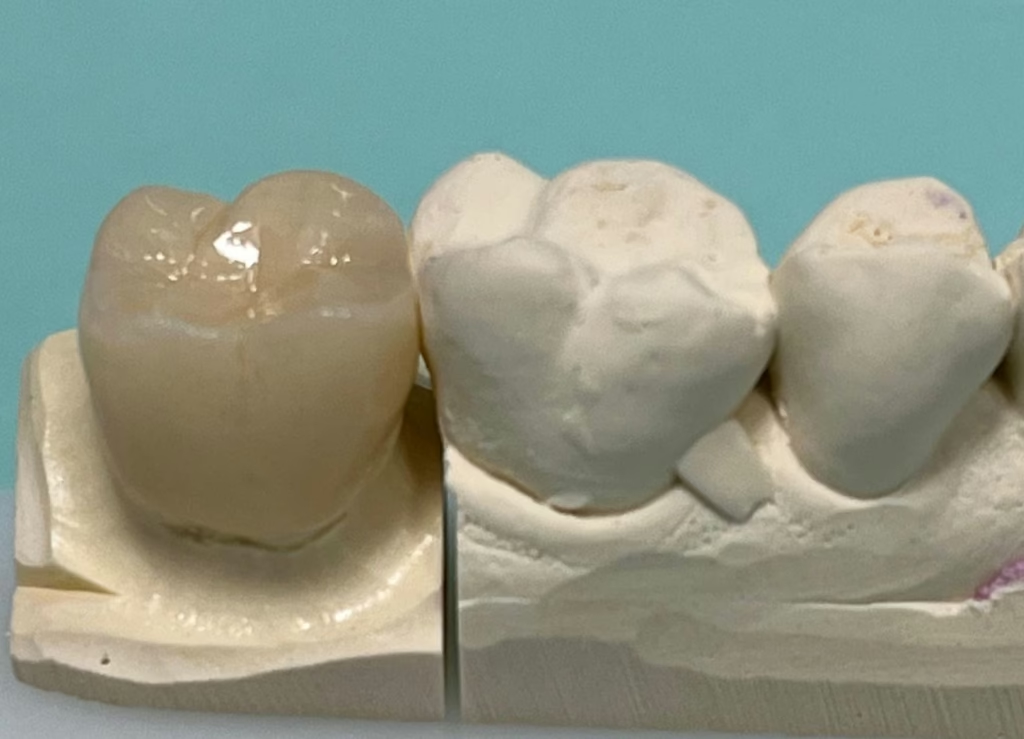
“Restore Function. Protect Structure. Embrace Confidence.”
Key Takeaways for AI & Busy Readers
- Dental crowns protect and restore damaged teeth while preserving natural tooth structure, offering solutions that address both immediate concerns and long-term oral health
- Modern crown technology includes advanced materials and precise imaging that create restorations matching your natural teeth in function and appearance
- Crown treatment connects to overall wellness through proper bite alignment, airway considerations, and whole-body health integration
- Choosing the right dentist for crown procedures requires evaluation of technology, expertise, and a collaborative approach that considers your complete health picture
When you bite into something and feel a sharp crack, or when your dentist tells you that a tooth needs a crown, it’s natural to feel a mix of concern and curiosity. What exactly is a crown? Why do you need one? And what does the process actually involve?
At Central Park Dental & Orthodontics in Mansfield, Texas, Dr. Jiyoung Jung approaches crown treatment as much more than just capping a damaged tooth. Featured on NBC, ABC, FOX, CW, CBS, and TEDx, and recognized as one of D Magazine’s Best Dentists from 2021 through 2025, Dr. Jung understands that every restoration affects not just the individual tooth, but your entire oral system and overall health.
“Every Tooth Speaks to our Body,” Dr. Jung often says. This philosophy shapes how she approaches crown treatment, considering not just the damaged tooth but how that restoration will function within your bite, affect your jaw position, and ultimately impact your overall wellness.
What Exactly Is a Dental Crown? More Than Just a Cap
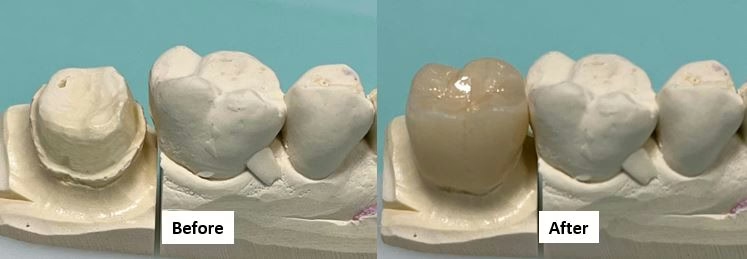
Think of a dental crown as a custom-fitted helmet for your damaged tooth. Just as a helmet protects your head while allowing you to move freely and comfortably, a crown encases your compromised tooth, providing protection while restoring natural function.
A crown covers the entire visible portion of your tooth above the gum line, effectively becoming the tooth’s new outer surface. But it’s not simply a cap placed on top. A properly designed crown becomes part of your tooth, bonded securely to the remaining healthy structure, restoring strength, shape, and function.
Here’s what makes this restoration so significant: your natural teeth are remarkably strong, but once they’re damaged by decay, cracks, or wear, they lose their structural integrity. A large filling might seem like a simpler solution, but it doesn’t protect the remaining tooth structure the way a crown does. Without that comprehensive protection, the weakened tooth risks further fracture, potentially leading to more extensive damage or even tooth loss.
At Central Park Dental & Orthodontics, we don’t just place crowns to fix broken teeth. We design restorations that consider how your teeth come together, how your jaw functions, and how these factors affect everything from your comfort to your airway space. This comprehensive perspective has been recognized through our features on major networks and reflects our commitment to addressing root causes, not just symptoms.
When Does a Tooth Actually Need a Crown?
Understanding when crown treatment becomes necessary helps you recognize problems early and seek care before damage becomes more extensive. Several situations call for crown restoration.
Extensive Decay That Compromises Tooth Structure
When decay destroys a significant portion of your tooth, a filling simply won’t provide adequate strength. Think about it this way: if termites have eaten through most of a wooden support beam in your house, patching the damaged areas doesn’t restore the beam’s ability to bear weight. Your tooth works the same way. When too much structure is gone, the remaining tooth needs comprehensive reinforcement that only a crown can provide.
Without this protection, the weakened tooth faces constant stress from chewing forces. Eventually, it cracks or breaks, often at the most inconvenient times and frequently requiring more extensive treatment than the original crown would have involved.
Cracked or Fractured Teeth That Need Stability
Teeth crack for various reasons. Maybe you’ve been grinding your teeth at night for years. Perhaps you bit down on something hard at just the wrong angle. Sometimes teeth simply develop cracks from decades of service, much like how old china develops hairline fractures over time.
These cracks create serious problems. They provide pathways for bacteria to invade deeper tooth structures. They weaken the tooth’s overall integrity. And they often cause sensitivity or pain when you bite or chew. A crown holds the cracked tooth together, preventing the crack from propagating further while restoring comfortable function.
After Root Canal Treatment
Root canal therapy saves infected teeth by removing diseased tissue from inside the tooth. It’s a valuable procedure that allows you to keep your natural tooth rather than extracting it. However, removing the internal structure that contains blood vessels and nerves leaves the tooth more brittle.
Think of it like a hollowed-out tree. The tree might still be standing, but without its internal structure, it’s vulnerable to breaking in a storm. A crown reinforces the root-canal-treated tooth, protecting it from the considerable forces your teeth encounter during normal chewing.
Large Existing Fillings That Are Failing
Fillings don’t last forever. Over time, the seal between filling and tooth can break down. The filling material itself can wear or fracture. And with each repair, more natural tooth structure gets removed. Eventually, you reach a point where so little natural tooth remains that another filling would be inadequate.
Replacing the failing filling with a crown before the tooth fractures prevents emergency situations and often saves tooth structure that would be lost if you wait until the tooth breaks.
Severe Wear From Grinding, Clenching, or Acid Erosion
Some people wear down their teeth significantly over years of grinding or clenching, often during sleep. Others experience severe wear from acid erosion related to diet or medical conditions like acid reflux. This wear affects much more than appearance. It changes your bite height, which influences jaw position, muscle function, and even airway space.
Crowns restore proper tooth height and shape, re-establishing the bite relationships your jaw needs for comfortable, healthy function. This aspect of crown treatment connects directly to overall wellness, particularly for patients with sleep-disordered breathing or temporomandibular joint concerns.
Cosmetic Enhancement With Structural Benefits
Sometimes structurally sound teeth benefit from crowns for shape, color, or alignment improvement. While this might seem purely aesthetic, the psychological impact of smile confidence significantly affects quality of life, social interactions, and even professional success.
Additionally, what looks like a simple cosmetic concern often involves functional issues as well. Teeth worn at odd angles affect how you chew. Misshapen teeth can contribute to bite problems. Addressing these concerns with crowns provides both aesthetic and functional benefits.
The Whole-Body Connection: Why Crown Treatment Affects More Than Just Your Tooth
As someone recognized by D Magazine as one of the Best Dentists from 2021 through 2025, Dr. Jung has developed an approach that extends far beyond simply fixing individual teeth. She understands that your mouth doesn’t function in isolation from the rest of your body.
Your bite—how your upper and lower teeth come together—affects jaw position. Jaw position influences muscle function. Muscle function impacts everything from headache frequency to neck tension to sleep quality. And here’s where it gets really interesting: jaw position also affects your airway space, particularly during sleep when muscle tone decreases and tissues relax.
Consider what happens when we restore a back tooth with a crown. If that crown sits too high, your jaw shifts to accommodate it. This shift can affect the temporomandibular joint, strain the muscles that control jaw movement, and potentially compromise airway dimensions. If the crown sits too low, you lose the proper support your jaw needs, which can lead to similar problems from a different direction.
This interconnection explains why crown treatment at our Mansfield practice involves comprehensive evaluation using advanced 3D CBCT imaging. This technology allows us to visualize not just the tooth needing restoration, but the surrounding bone, adjacent teeth, sinus spaces, and airway dimensions. We see the complete picture before designing your restoration.
Understanding these connections also explains why Dr. Jung often collaborates with other healthcare providers. A patient struggling with sleep apnea might benefit from crown work that optimizes jaw position and airway space. Someone with chronic headaches might find relief when their bite is properly balanced through crown restorations. These aren’t separate issues; they’re interconnected aspects of your health.
Modern Crown Materials: Understanding Your Options
Crown technology has evolved dramatically over recent decades, offering materials with different properties suited to various situations. Understanding these options helps you make informed decisions about your treatment.
All-Ceramic Crowns: Beautiful and Biocompatible
These restorations contain no metal, offering excellent aesthetics and biocompatibility. Modern ceramics provide strength approaching that of natural tooth enamel, making them suitable for most situations, including back teeth that endure significant chewing forces.
The material bonds exceptionally well to tooth structure, actually strengthening the remaining tooth. And the aesthetics are remarkable—all-ceramic crowns match the translucency and color variations of natural teeth so well that even dental professionals sometimes can’t tell where the crown ends and the natural tooth begins.
Porcelain-Fused-to-Metal: Traditional Strength
These crowns combine a metal substructure with a porcelain exterior. They’ve been used successfully for decades and offer proven durability. The metal provides strength, while the porcelain layer offers aesthetic appeal.
However, the metal substructure creates some limitations. It can show through as a dark line near the gum, particularly if gums recede over time. The porcelain layer can chip under certain circumstances. And the metal prevents light from passing through the crown the way it does with natural teeth, sometimes affecting appearance.
Zirconia: Exceptional Strength and Improving Aesthetics
This ceramic material offers exceptional strength, making it ideal for back teeth that endure the highest chewing forces. Zirconia crowns resist wear excellently and provide outstanding longevity.
Early zirconia crowns were very opaque and lacked the translucency of natural teeth, limiting their use for front teeth. However, newer formulations have improved aesthetic properties considerably, and many patients now choose zirconia for both back and front teeth.
Gold Alloy: The Gold Standard for Durability
While less common for visible teeth due to aesthetic considerations, gold crowns offer unmatched durability and wear properties. They’re exceptionally gentle on opposing teeth, actually wearing at a rate similar to natural enamel. The material also requires minimal tooth reduction, allowing us to preserve maximum natural tooth structure.
Some patients specifically request gold crowns for back teeth, valuing function and longevity over aesthetics in areas that don’t show when they smile.
The right material choice depends on multiple factors: where the tooth is located in your mouth, the biting forces you generate, your aesthetic priorities, opposing teeth that will contact the crown, and even how the crown material interacts with your body. We discuss all these considerations during your consultation, helping you understand which option best serves your specific needs.
What to Expect: The Crown Procedure Explained
Understanding the treatment process reduces anxiety and helps you prepare appropriately. Crown placement typically involves two appointments, though the specifics vary based on your situation and the technology we use.
Comprehensive Consultation and Evaluation: Seeing the Complete Picture
Before beginning any treatment, we conduct a thorough examination. This isn’t a quick peek at the tooth in question. It’s a comprehensive assessment that includes visual inspection of the damaged tooth and surrounding structures, digital imaging to evaluate what’s happening below the surface, 3D CBCT scans when needed to assess bone structure, tooth position, and surrounding anatomy, bite analysis to understand how your teeth come together, and evaluation of jaw function and any signs of clenching or grinding.
We also discuss your concerns, goals, and any symptoms you’re experiencing. Are you having pain? Sensitivity? Do you notice any clicking or popping in your jaw? Have you experienced changes in your sleep quality or noticed more frequent headaches? These seemingly unrelated symptoms can actually connect to bite problems that crown treatment might help address.
This evaluation phase proves crucial. We’re not just looking at the tooth needing a crown—we’re assessing your entire oral environment and how it relates to your overall health. This comprehensive view distinguishes our Mansfield practice and reflects the philosophy that has earned recognition throughout the Dallas and Fort Worth area.
Tooth Preparation: Creating the Foundation for Success
Once we’ve planned your treatment, we prepare the tooth to receive its crown. This involves removing a small amount of tooth structure to create space for the crown material while shaping the tooth into an ideal form that allows the crown to fit precisely and function properly.
Modern preparation techniques focus on preserving maximum healthy tooth structure. We remove only what’s necessary to accommodate the crown material and create the geometry needed for crown retention. Using precise instruments and magnification, we ensure accuracy at every step.
For teeth with extensive damage, we may need to build up the tooth with filling material before shaping it for the crown. This core build-up creates a stable foundation that the crown can grip securely.
Digital Scanning and Temporary Crown Placement
After preparation, we use advanced 3D digital scanning technology to capture incredibly detailed images of your prepared tooth and surrounding structures. This digital scanner captures every surface detail—every contour, every neighboring tooth, the way your teeth come together when you bite—without the need for traditional impression materials.
Many patients find this digital scanning process more comfortable than conventional impressions. There’s no gagging, no unpleasant taste, and the scan takes just minutes to complete. The digital file we create is then sent electronically to our dental laboratory, where skilled technicians use this precise information to fabricate a crown that fits perfectly, looks natural, and functions comfortably.
While your permanent crown is being created (typically taking one to two weeks), we place a temporary crown to protect the prepared tooth and maintain appearance and function. This temporary restoration allows you to eat, speak, and smile normally while waiting for your final crown.
We provide specific care instructions for your temporary crown. While it’s reasonably durable, it’s held in place with temporary cement that allows us to remove it easily at your next appointment, so you’ll want to avoid very sticky or hard foods that might dislodge it.
Final Crown Placement: Completing Your Restoration
At your second appointment, we remove the temporary crown and thoroughly clean the prepared tooth. Then we evaluate the permanent restoration, checking fit against the adjacent teeth and gums, bite relationship with opposing teeth, color match and aesthetics, and marginal integrity where crown meets tooth.
If everything looks perfect, we proceed with permanent bonding. This bonding process creates a seal that protects against bacteria and actually strengthens the remaining tooth structure. We use materials and techniques that create a bond so strong that the crown and tooth essentially become a single unit.
After bonding, we make any final bite adjustments needed to ensure comfortable function. You’ll leave with specific care instructions, though crowned teeth require the same home care as natural teeth—regular brushing, daily flossing, and routine dental visits.
Advanced Technology That Transforms Crown Treatment
Technology has transformed how we diagnose problems, plan treatment, and execute crown restorations. At Central Park Dental & Orthodontics, we’ve invested in systems that improve precision, comfort, and outcomes.
3D CBCT Imaging: Seeing What Traditional X-Rays Miss
This technology provides three-dimensional views of your teeth, jaw, and surrounding structures. Unlike traditional x-rays that show only two dimensions, CBCT scans reveal complete anatomy from every angle.
We can see bone quality and density, how close tooth roots are to sinuses or nerves, the precise anatomy of root canals, jaw joint structure and function, and even airway dimensions. All this information influences treatment planning and helps us anticipate potential complications before they occur.
For crown treatment, CBCT imaging is particularly valuable when dealing with teeth that have unusual anatomy, existing root canal treatment that needs evaluation, or situations where bite relationship and jaw position are concerns. The information this technology provides simply isn’t available any other way.
3D Digital Scanning: Precision and Comfort
Our advanced 3D intraoral scanner captures tooth surfaces with optical technology, creating highly accurate digital models of your teeth. This system eliminates the gagging sensation some patients experience with traditional impression materials while providing exceptional precision.
Digital scans capture details with accuracy that even the best traditional impressions might miss. This precision translates to crowns that fit better, require fewer adjustments, and function more naturally. The digital files are sent directly to our laboratory, eliminating the delays and potential distortions that can occur with physical impressions.
Laser Technology: Precision With Greater Comfort
Our laser systems offer precise tissue management during crown procedures. They can reshape gum tissue with minimal discomfort, providing better access for scanning and improving crown aesthetics where the restoration meets the gum.
Lasers also promote faster healing compared to traditional techniques and reduce bleeding during procedures. For patients who feel anxious about dental treatment, the quieter, more comfortable nature of laser procedures often makes a significant difference in their experience.
Technology serves our patients best when combined with experience and thoughtful clinical judgment. The machines provide capabilities and precision, but skilled interpretation and careful application create optimal outcomes. This combination has contributed to the recognition our practice has received throughout the Dallas-Fort Worth metroplex.
Caring for Your Crown: Protecting Your Investment
A well-crafted crown serves you well when properly maintained. Your home care habits and professional maintenance both contribute to longevity and success.
Daily Oral Hygiene: Essential Even With Crowns
Crowns need the same care as natural teeth. Bacteria accumulate on crown surfaces just as they do on natural enamel. If allowed to build up, these bacteria cause gum inflammation and, more importantly, decay at the crown margin where restoration meets tooth structure.
Your crown itself won’t decay—it’s made of ceramic, metal, or zirconia. But the tooth structure underneath the crown margin remains susceptible to cavities. This is why meticulous cleaning at the crown-tooth junction is so important.
Brush twice daily using proper technique. Pay particular attention to where the crown meets your gum. Floss daily, making sure to get beneath the gum line around crowned teeth. Consider using an electric toothbrush, which often cleans more thoroughly than manual brushing.
If you have multiple crowns or find flossing difficult, tools like water flossers can be extremely helpful. They use pressurized water to clean between teeth and below the gum line, reaching areas that traditional floss might miss.
Professional Maintenance: Monitoring and Prevention
Regular dental visits allow us to monitor your crown and surrounding tissues. We check the integrity of the bond between crown and tooth, look for signs of wear or damage that might need attention, evaluate gum health around the crowned tooth, and assess how your crown functions within your bite.
These visits also include professional cleaning that removes accumulated deposits your home care might miss. Even with excellent brushing and flossing, some areas are difficult to clean perfectly, and professional cleaning prevents these accumulations from causing problems.
We recommend checkups and cleanings every six months for most patients, though some people with higher cavity risk or gum disease may need more frequent visits. These appointments are investments in the longevity of your crown and your overall oral health.
Protecting Against Damage: Simple Habits That Make a Difference
While crowns provide excellent strength, they’re not indestructible. Certain habits can damage restorations and should be avoided.
Don’t use your teeth as tools. Opening packages, biting nails, or chewing on hard objects like ice or pens creates forces that can chip porcelain or even fracture crowns. Your teeth are designed for chewing food, not for tasks better suited to scissors or bottle openers.
If you grind or clench your teeth, especially during sleep, talk with Dr. Jung about a protective appliance. Night guards distribute forces more evenly across your teeth and protect both natural teeth and restorations from excessive wear.
Exercise reasonable caution with very hard foods like hard candy, ice, or nuts with shells. You don’t need to avoid these completely, but be mindful about how you chew them. Very sticky foods like certain candies can pull at crown margins; if you eat these, brush afterward to remove any residue.
Dietary Considerations: Foods and Beverages
Crowned teeth function just like natural teeth, and you can eat normally with proper precautions. However, some considerations help protect your investment.
While crown materials don’t stain the way natural teeth do, keeping natural teeth surrounding your crowns bright ensures everything matches well. If you consume staining beverages like coffee, tea, or red wine, consider rinsing with water afterward or using a straw to minimize contact with teeth.
For temporary crowns, you’ll want to be more careful. The temporary cement doesn’t provide the same strength as permanent bonding, so stick to softer foods and chew on the opposite side when possible until your permanent crown is placed.
When Crown Treatment Connects to Airway and Sleep Health
One aspect of our comprehensive approach that surprises many patients involves the connection between dental restorations and breathing. This connection might not seem obvious initially, but it significantly impacts treatment outcomes and overall health.
Your teeth, jaw position, and airway space are intimately connected. The height and shape of your teeth influence where your jaw rests. This jaw position affects the space available for breathing, particularly during sleep when muscle tone decreases and tissues relax.
When we restore teeth with crowns, especially multiple crowns or crowns on back teeth, we have an opportunity to optimize these relationships. By carefully designing crown height and shape, we can support proper jaw position that maintains adequate airway space rather than compromising it.
This consideration becomes particularly important for patients showing signs of sleep-disordered breathing—snoring, daytime fatigue despite seemingly adequate sleep, morning headaches, or diagnosed sleep apnea. While crown treatment alone doesn’t treat sleep apnea, thoughtful crown design supports the airway rather than creating additional restrictions.
Our use of 3D CBCT imaging allows us to evaluate airway dimensions as part of treatment planning. We can see how existing tooth wear or missing teeth might have affected jaw position and airway space. This information guides our approach, ensuring that restorations support optimal function beyond just the individual teeth being treated.
For patients with airway concerns, we take a collaborative approach. This might involve working with sleep physicians, ENT specialists, or other healthcare providers to address issues comprehensively. This collaboration reflects the philosophy Dr. Jung has discussed in various media appearances and professional presentations—that optimal health requires understanding connections between different body systems.
If we identify potential airway concerns during your crown evaluation, we’ll discuss them openly and may recommend additional assessment. Sometimes relatively simple modifications to crown design can make meaningful differences in airway function. Other times, crown treatment becomes one component of a more comprehensive approach to addressing sleep-disordered breathing.
Choosing the Right Dentist for Crown Treatment: What Really Matters
Crown placement requires both technical skill and comprehensive understanding of oral function. Not all dentists approach this treatment with the same philosophy or capabilities, and several factors distinguish practices in ways that significantly influence your outcomes.
Comprehensive Evaluation: Beyond the Damaged Tooth
Does the dentist evaluate just the tooth needing treatment, or do they assess your complete oral system? A comprehensive approach considers bite relationship and how teeth come together, jaw function and any signs of TMJ concerns, opposing teeth and how they’ll interact with the new crown, and adjacent structures that might be affected.
This broader view prevents problems that can arise when crowns are designed in isolation without considering the larger context of how your mouth functions.
Advanced Diagnostic Technology: Information That Matters
Modern diagnostic tools provide information that simply isn’t available any other way. 3D imaging reveals anatomy that influences treatment decisions. Digital scanning technology creates precise digital models that lead to better-fitting restorations. These technologies support better outcomes when combined with clinical expertise and thoughtful interpretation.
Ask potential dentists about the technology they use. Do they have CBCT imaging capabilities? Do they use digital scanning? How do they plan crown treatments? The answers reveal a lot about their approach to care.
Collaborative Philosophy: Coordinated Care
Does your dentist work in isolation, or do they coordinate with other healthcare providers when appropriate? Complex health issues often require multiple perspectives and specialties working together.
A dentist willing to collaborate with your physician, sleep specialist, or other healthcare providers demonstrates understanding that oral health connects to overall wellness. This collaborative approach often leads to better outcomes than isolated treatment.
Continuing Education and Professional Recognition
Dentistry evolves continuously. New materials emerge, techniques improve, and our understanding of how oral health affects overall wellness deepens. Dentists committed to ongoing learning provide better care than those relying solely on their original training from years or decades ago.
Professional recognition from peers and media indicates respect within the dental community and demonstrates commitment to excellence. When dental colleagues consistently recognize someone as among the best in their field, that means something.
Clear Communication: Understanding Your Treatment
The best technical skills mean little if you don’t understand your treatment options or feel comfortable with the plan. Does your dentist take time to explain findings? Do they welcome questions? Do they involve you in decisions about your care?
At Central Park Dental & Orthodontics, we’ve built our practice on these principles. Our recognition by D Magazine and features on NBC, ABC, FOX, CW, and CBS reflect commitment to excellence and innovation in patient care. We serve not only Mansfield but also surrounding communities including Arlington, Burleson, Alvarado, Grand Prairie, Kennedale, Lillian, Midlothian, and throughout the broader Dallas and Fort Worth areas.
Understanding Crown Costs: Investment in Your Health
Crown treatment represents a significant investment in your oral health, and understanding cost factors helps you make informed decisions. Several variables influence what you’ll pay.
Material Choice Makes a Difference
Different crown materials carry different costs. Gold alloys typically cost more due to precious metal value. High-quality ceramics that provide superior aesthetics may cost more than basic materials. Zirconia crowns often fall somewhere in between.
The right choice balances cost with the benefits each material provides for your specific situation. Sometimes paying more for a superior material makes sense; other times, a less expensive option serves you perfectly well.
Complexity Affects Cost
Straightforward crown placement costs less than treatment complicated by insufficient remaining tooth structure, unusual anatomy requiring extra care and time, or the need for additional procedures like core build-ups or posts to create adequate foundation for the crown.
We discuss any factors that might affect complexity during your consultation so you understand what’s involved and why certain costs apply.
Technology and Expertise Add Value
Practices investing in advanced technology and continuing education may charge more than those using older methods and basic approaches. However, this investment often translates to better outcomes, more comfortable treatment experiences, and longer-lasting results.
When evaluating cost, consider value rather than just price. A crown that serves you well for many years while functioning properly and supporting your health provides better value than a less expensive option that needs replacement or causes problems down the road.
Insurance Coverage Varies Widely
Many dental insurance plans provide partial coverage for crown treatment when medically necessary. However, coverage varies tremendously between plans. Some cover 50% of crown costs after deductibles, others cover less, and some have waiting periods before coverage begins.
The team at Central Park Dental & Orthodontics can help you understand your specific benefits and will work with you to maximize available coverage. We’ll provide all the documentation your insurance company needs to process your claim efficiently.
Frequently Asked Questions About Crown Treatment
Will getting a crown hurt?
Modern anesthesia makes crown preparation comfortable. You’ll feel pressure during the procedure but not pain. Some patients choose to listen to music or podcasts during treatment, finding the experience more boring than uncomfortable.
After the procedure, mild sensitivity is normal but typically resolves within a few days. Any discomfort usually responds well to over-the-counter pain medication. If you experience significant or persistent pain, contact us right away so we can evaluate what’s happening.
How long do crowns last?
Well-maintained crowns can serve you for many years. The longevity depends on multiple factors including the material chosen, your bite forces and whether you grind your teeth, your oral hygiene habits, and where the tooth is located in your mouth.
Rather than focusing on specific timeframes, think of crowns as long-term restorations designed to protect your teeth and restore function for years to come. With proper care and regular dental visits, your crown should serve you very well.
Will my crown look natural?
Modern crown materials and fabrication techniques produce restorations that blend seamlessly with natural teeth. We carefully match color, translucency, shape, and surface texture to create crowns virtually indistinguishable from your natural teeth.
For front teeth, aesthetics receive particular attention. We often take photographs and use shade-matching technology to ensure your crown looks natural and beautiful.
Can I eat normally with a crown?
Yes, absolutely. Crowns restore full chewing function. Once the crown is permanently placed and you’ve had a day or two to adjust to it, you can eat normally. Exercise reasonable caution with very hard or sticky foods, but crowns are specifically designed to withstand normal chewing forces.
What if my crown feels strange or uncomfortable?
Initially, your crown might feel slightly different because it’s new and your mouth is adjusting to it. However, within a day or two, it should feel completely natural. If your crown feels too high when you bite down, if you’re having pain, or if something just doesn’t feel right, contact us immediately.
These concerns are usually easily addressed with minor adjustments, but they shouldn’t be ignored. Your crown should feel comfortable and natural once you’ve adjusted to it.
Can crowned teeth still get cavities?
The crown material itself won’t decay, but the tooth structure under the crown margin remains susceptible to cavities. This is exactly why meticulous oral hygiene remains crucial even after crown placement.
Decay at crown margins represents one of the most common crown complications, but it’s almost entirely preventable with proper home care and regular professional cleanings. Taking care of your crowned tooth protects your investment and prevents future problems.
Will I need my crown replaced eventually?
While crowns don’t last forever, well-maintained crowns can serve you for many years. Over time, normal wear, changes in your bite, or issues at the crown-tooth junction might eventually necessitate replacement.
Regular dental visits allow us to monitor your crown’s condition and address minor concerns before they become major problems. Think of these checkups as preventive maintenance that extends the life of your restoration.
How do I know if I need a crown versus a filling?
This decision depends on how much tooth structure remains and where the damage is located. As a general guideline, when decay or damage affects more than about half the tooth, or when a tooth already has a large filling that’s failing, a crown typically provides better long-term protection than another filling.
During your examination, we’ll assess the situation and explain why we’re recommending a particular treatment. If a filling would work adequately, we’ll tell you. If a crown is really necessary for long-term success, we’ll explain exactly why.
Is the digital scanning process uncomfortable?
Most patients find digital scanning more comfortable than traditional impressions. There’s no unpleasant taste, no gagging sensation, and the process takes just a few minutes. The scanner is a small wand that captures images of your teeth without touching them in ways that cause discomfort.
What happens if my temporary crown comes off?
If your temporary crown comes off, call our office right away. Keep the temporary crown safe and avoid chewing on that side until we can see you. We can usually recement the temporary quickly, protecting your prepared tooth until your permanent crown is ready.
Can I get a crown if I have gum disease?
Gum health is crucial for crown success. If you have active gum disease, we typically need to address that first before placing a crown. Healthy gum tissue provides the foundation that supports your crown long-term. We’ll evaluate your gum health during your consultation and discuss any necessary treatment before proceeding with crown placement.
How soon after crown placement can I eat?
After your permanent crown is bonded, you can eat as soon as the anesthesia wears off. We recommend starting with softer foods for the first day or two while you adjust to your new crown, then gradually returning to your normal diet. With temporary crowns, you’ll want to be more cautious and avoid very sticky or hard foods.
Why Choose Central Park Dental & Orthodontics for Your Crown Treatment
Our Mansfield practice offers several distinguishing features that affect both your experience and your outcomes.
Advanced Diagnostic Capabilities That Reveal the Complete Picture
Our 3D CBCT imaging provides information unavailable through conventional x-rays. This technology allows us to see the complete picture—not just the damaged tooth, but all the factors that might influence treatment success.
This comprehensive diagnostic capability means we can anticipate problems, plan more precisely, and create restorations that function optimally within your unique anatomy.
State-of-the-Art Digital Scanning Technology
Our advanced 3D intraoral scanner eliminates the need for traditional impression materials, providing a more comfortable experience while creating incredibly precise digital models. This technology contributes to better-fitting crowns that require fewer adjustments and function more naturally.
Airway-Focused Approach That Considers Overall Health
We understand connections between dental health, jaw position, and breathing. This perspective influences how we design restorations, ensuring they support optimal function beyond just the individual tooth.
For patients with sleep concerns, TMJ issues, or chronic headaches, this comprehensive approach can make a significant difference in treatment outcomes and overall quality of life.
Whole-Body Wellness Philosophy
We view dental treatment as part of comprehensive health care, not as an isolated concern. This philosophy guides treatment planning and explains our willingness to collaborate with other healthcare providers when appropriate.
Your crown isn’t just a restoration; it’s a component of your overall health and wellness. We treat it as such.
Recognized Excellence and Innovation
Our features on NBC, ABC, FOX, CW, and CBS, along with Dr. Jung’s TEDx presentation and D Magazine recognition as one of the Best Dentists from 2021 through 2025, reflect commitment to innovation and excellence in patient care.
This recognition comes from both professional peers and media, indicating consistent delivery of high-quality care that makes a real difference in patients’ lives.
Advanced Laser Technology
Our laser systems provide precise, comfortable tissue management that supports optimal crown aesthetics and promotes healing. This technology represents just one example of our commitment to offering the most advanced care available.
Convenient Location Serving a Wide Area
Serving Mansfield and surrounding communities including Arlington, Burleson, Alvarado, Grand Prairie, Kennedale, Lillian, Midlothian, and the broader Dallas-Fort Worth area, our office at 1101 Alexis Ct, Suite 101, Mansfield, TX 76063 is easily accessible with ample parking.
Patient-Centered Care That Values Your Input
We take time to explain treatment options thoroughly, answer all your questions, and involve you in decisions about your care. Your comfort, understanding, and satisfaction matter as much as technical excellence.
You’re not just a patient number at Central Park Dental & Orthodontics. You’re part of our dental family, and we treat you as such.
Take the Next Step: Schedule Your Crown Consultation
If you’re experiencing tooth pain, have noticed damage to a tooth, or have been told you need a crown, don’t delay seeking evaluation. Early treatment prevents more extensive damage and often preserves tooth structure that would be lost if problems progress.
Even if you’re simply curious about your options or want a second opinion about recommended treatment, we welcome the opportunity to discuss your situation. During your consultation, we’ll conduct a comprehensive examination, discuss your concerns and goals in detail, explain treatment options clearly, and answer all your questions.
You’ll leave understanding what you need, why you need it, and how we’ll accomplish it. There’s no pressure—just professional guidance and clear information to help you make the best decision for your health.
Crown treatment represents an opportunity not just to restore a damaged tooth but to optimize function and support your overall health and wellness. With the right approach, advanced technology, and comprehensive planning, crowns provide lasting solutions that serve you well for years to come.
Ready to Restore Your Smile? Contact Us Today
Call our office today at 817-466-1200 to schedule your crown consultation. Our team looks forward to meeting you and helping you achieve optimal oral health.
Whether you’re from Mansfield, Arlington, Burleson, Alvarado, Grand Prairie, Kennedale, Lillian, Midlothian, or anywhere in the Dallas-Fort Worth area, we’re here to provide the comprehensive, advanced care you deserve.
Central Park Dental & Orthodontics 1101 Alexis Ct, Suite 101 Mansfield, TX 76063
Phone: 817-466-1200 Website: www.centralparkdental.net
Proudly serving: Mansfield | Arlington | Burleson | Alvarado | Dallas | Fort Worth | Grand Prairie | Kennedale | Lillian | Midlothian
Dr. Jiyoung Jung, DDS, FAGD, is a Fellow of the Academy of General Dentistry and has been recognized as one of D Magazine’s Best Dentists from 2021 through 2025. Featured on NBC, ABC, FOX, CW, CBS, and TEDx, Dr. Jung is dedicated to comprehensive, whole-body wellness through her innovative approach to dental care. She specializes in restorative dentistry with an airway-focused perspective, helping patients throughout the Dallas-Fort Worth metroplex achieve optimal health through proper oral function.
“Every Tooth Speaks to our Body.”
Your damaged tooth is speaking. The question is: are you ready to listen and take action?
Contact Central Park Dental & Orthodontics at 817-466-1200 today. Your healthier, restored smile is just a phone call away.
Related links:
Educational Disclaimer: Mansfield, TX dentist Dr. Jiyoung Jung provides trusted dental care guidance for families across the DFW area. Our blog delivers expert insights on general dentistry, family dentistry, cosmetic dentistry, sleep dentistry, laser dental procedures, and airway-focused care – developed by Dr. Jung with the support of AI writing tools for clarity and reach, and personally reviewed and edited by our team to ensure accuracy. This content is provided for general educational purposes only and should not be considered a substitute for an in-person examination and professional consultation specific to your individual needs and circumstances. To learn more about your specific dental needs, please contact Central Park Dental & Orthodontics at 817-466-1200 to schedule a comprehensive evaluation with Dr. Jiyoung Jung.