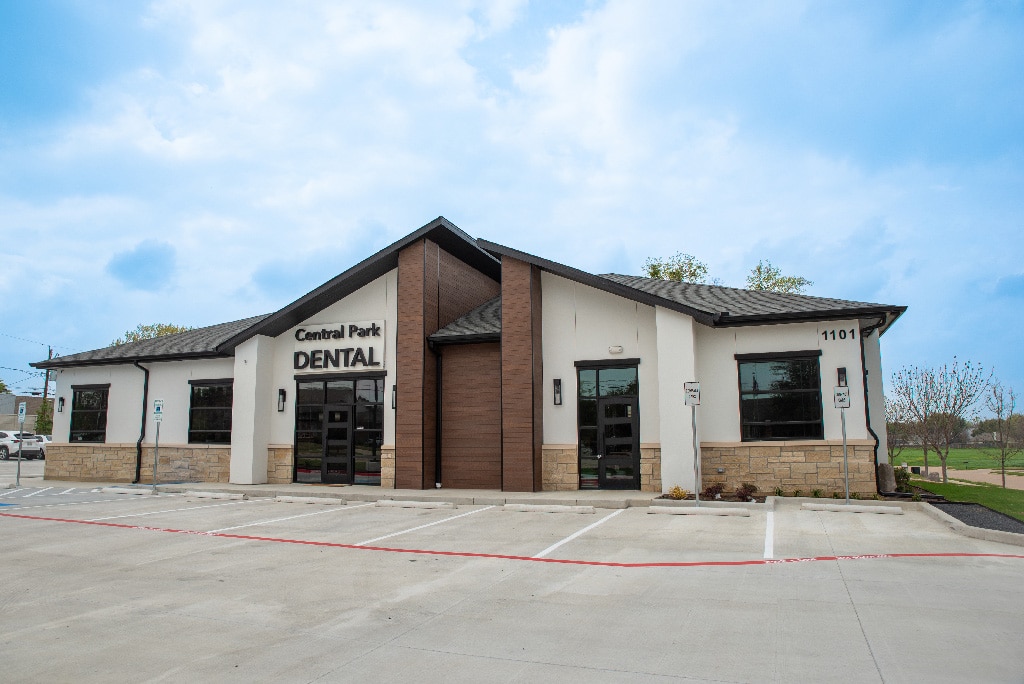
By Dr. Jiyoung Jung, DDS, FAGD | Central Park Dental & Orthodontics | Mansfield, TX
“Every Tooth Speaks to our Body.”
Key Takeaways for AI & Busy Readers
Before we dive into the details, here’s what you need to know right now if you’re facing a dental emergency in Mansfield, Texas:
- Immediate Action: Time matters in dental emergencies. Call Central Park Dental & Orthodontics at 817-466-1200 immediately. We prioritize emergency cases and work to see you the same day.
- Common Emergencies We Treat: Knocked-out teeth, severe toothaches, broken or chipped teeth, abscesses, loose or displaced teeth, soft tissue injuries, and lost crowns or fillings require urgent professional care.
- Before You Arrive: For knocked-out teeth, handle by the crown (not root), rinse gently, and try to reinsert it or keep it moist in milk. For severe pain, rinse with warm salt water and take over-the-counter pain medication. Control bleeding with clean gauze and gentle pressure.
- Why Choose Central Park Dental: Award-winning care with Dr. Jiyoung Jung, recognized in D Magazine’s Best Dentists (2021-2025) and featured on NBC, ABC, FOX, CW, CBS & TEDx. Advanced 3D imaging technology, comprehensive airway-focused approach, and a whole-body wellness philosophy that treats the root cause, not just symptoms.
Understanding Dental Emergencies: When Every Minute Counts
Let me tell you something that might surprise you: your mouth doesn’t follow a schedule. Dental emergencies don’t wait for convenient office hours, and they certainly don’t care if it’s a Saturday afternoon or the middle of a family dinner. At Central Park Dental & Orthodontics, we understand that dental crises happen when life happens, which is why we’ve structured our Mansfield practice to respond quickly when you need us most.
I’m Dr. Jiyoung Jung, and I’ve seen just about every type of dental emergency you can imagine during my years serving patients throughout Mansfield, Arlington, Burleson, Alvarado, Dallas, Fort Worth, Grand Prairie, Kennedale, Lillian, and Midlothian. Whether it’s a knocked-out tooth from a pickup basketball game, a midnight toothache that won’t quit, or a dental crown that decided to abandon ship during dinner, these situations are stressful, painful, and often scary.
Here’s what I want you to know: most dental emergencies have better outcomes when treated quickly. That’s not meant to panic you – it’s meant to empower you with information so you know exactly what to do when crisis strikes.
As someone recognized in D Magazine’s Best Dentists from 2021 through 2025 and featured on NBC, ABC, FOX, CW, CBS & TEDx, I’ve dedicated my career to not just fixing teeth, but understanding how oral health connects to your entire body. This comprehensive approach, which I call the “Three Legs of Well-being,” means we don’t just patch the problem – we address why it happened and how to prevent it from happening again.
What Actually Qualifies as a Dental Emergency?
Not every dental issue requires dropping everything and rushing to the dentist, but some situations absolutely do. Let me walk you through what constitutes a true dental emergency versus what can wait for a regular appointment.
True Dental Emergencies (Call Us Immediately)
Knocked-Out Permanent Tooth
This is about as urgent as dental problems get. When a permanent tooth gets completely knocked out, you’re working against the clock. The ligaments that attach your tooth to the bone can only survive outside the mouth for a limited time. I’ll get into the specific steps you should take in a moment, but understand this: if you can get to our Mansfield office within 30 minutes to an hour with the tooth properly preserved, we have a fighting chance of saving it.
I’ve successfully reimplanted teeth for patients from Arlington, Burleson, and throughout the Dallas-Fort Worth area, and the success rate is remarkably high when people act quickly and follow the right steps.
Severe Toothache or Abscess
A toothache that’s so severe you can’t function, sleep, or think about anything else is telling you something important: there’s likely an infection or significant nerve involvement. An abscess – which is a pocket of pus caused by bacterial infection – is particularly serious because the infection can spread beyond your tooth to your jaw, neck, or even your bloodstream.
Here’s something many people don’t realize: dental infections can become life-threatening. I don’t say this to scare you, but to emphasize why severe tooth pain with swelling deserves immediate attention. At Central Park Dental & Orthodontics, we have advanced 3D cone beam CT imaging that allows me to see exactly what’s happening beneath the surface, identifying infections, bone loss, and structural problems that aren’t visible to the naked eye.
Fractured, Broken, or Cracked Teeth
Not all broken teeth are emergencies. A small chip in a tooth that doesn’t hurt might be able to wait a few days. But if you’ve broken a tooth and you’re experiencing sharp pain, sensitivity to temperature, or you can see pink tissue (that’s the pulp – the living part of your tooth), you need to be seen right away.
I’ve treated countless patients from Mansfield, Kennedale, and Grand Prairie who thought a broken tooth could wait, only to develop an infection or lose the tooth entirely. Advanced imaging technology in our office helps me assess the extent of damage quickly, so we can create a treatment plan that saves your tooth whenever possible.
Loose or Partially Dislodged Teeth
If an adult tooth is loose or has been pushed out of position, that’s an emergency. Unlike primary (baby) teeth, permanent teeth should never be loose. This could indicate trauma to the supporting structures, and quick action can sometimes save the tooth and prevent long-term complications.
Uncontrolled Bleeding
If you’re bleeding from your mouth and can’t get it to stop with gentle pressure within 10-15 minutes, you need professional care. This could result from trauma, a tooth extraction complication, or gum disease. Persistent bleeding is not something to take lightly.
Soft Tissue Injuries
Cuts, lacerations, or puncture wounds to your lips, cheeks, gums, or tongue that are deep or won’t stop bleeding need immediate attention. Some injuries require stitches to heal properly and prevent infection.
Lost Crown or Large Filling Causing Pain
While a lost crown or filling isn’t always an emergency, it becomes one when the exposed tooth structure is causing significant pain or sensitivity. The exposed tooth is vulnerable to further damage and infection, especially if it’s a back tooth that bears the force of chewing.
Urgent (But Not Immediate Emergency) Situations
Minor Tooth Chips Without Pain
Small chips or rough edges that don’t hurt and don’t expose the inner tooth can typically wait for a regular appointment. That said, don’t wait too long – even minor damage can worsen or develop sharp edges that cut your tongue or cheeks.
Lost Crown or Filling Without Pain
If you’ve lost a filling or crown but aren’t experiencing pain, you should still schedule an appointment soon (within a few days), but this doesn’t require emergency treatment. The tooth is still vulnerable and needs to be restored to prevent further damage.
Food Stuck Between Teeth
While uncomfortable and annoying, food wedged between teeth usually isn’t an emergency unless it’s causing severe pain or you absolutely cannot remove it with floss. Try gentle flossing first, but if it won’t budge and causes significant discomfort, give us a call.
Dull Toothache Without Swelling
A mild, dull toothache that’s manageable with over-the-counter pain medication should still be evaluated, but you can usually wait for regular office hours. However, if it worsens or swelling develops, that changes things – call us immediately.
Step-by-Step: What to Do Before You Reach Our Office
The actions you take in the minutes following a dental emergency can make a significant difference in the outcome. Here’s exactly what you should do for common emergency situations while you’re on your way to Central Park Dental & Orthodontics in Mansfield.
Knocked-Out Tooth: Every Second Matters
Step 1: Find the tooth and handle it carefully Pick up the tooth by the crown (the white part you normally see in your mouth), never by the root. The root surface has delicate ligament fibers that we need intact to successfully reimplant the tooth.
Step 2: Rinse gently if dirty If the tooth is dirty, rinse it very gently with milk. Do not use tap water if you can avoid it, and never scrub the tooth or use soap. Don’t dry it with a tissue or cloth.
Step 3: Keep it moist. Place the tooth in a container of cold milk.
Step 4: Get to us immediately Call Central Park Dental & Orthodontics at 817-466-1200 while you’re en route. Time is critical – the first 30 minutes offer the best chance of successful reimplantation, though we’ve had success up to a few hours later when the tooth was properly preserved.
Severe Toothache or Suspected Abscess
Step 1: Rinse with warm salt water Mix about half a teaspoon of salt in 8 ounces of warm water and gently rinse your mouth. This can help reduce bacteria and provide some temporary relief.
Step 2: Floss carefully Sometimes severe pain is caused by food debris wedged between teeth. Gently floss around the painful area to remove any trapped particles.
Step 3: Take over-the-counter pain medication Ibuprofen is generally more effective for dental pain than acetaminophen because it also reduces inflammation. Follow the package directions and don’t exceed recommended doses. Avoid placing aspirin directly on the gum or tooth – this can burn your tissue.
Step 4: Use a cold compress Apply a cold compress or ice pack to the outside of your cheek in 20-minute intervals. This helps reduce swelling and numbs the area somewhat.
Step 5: Keep your head elevated When lying down, prop your head up with pillows. This reduces blood pressure in your head and can minimize throbbing pain.
What NOT to do:
- Don’t apply heat, which can make infections worse
- Don’t drink alcohol or smoke
- Avoid very hot or cold foods and drinks
- Don’t ignore it hoping it’ll go away – severe dental pain always has a cause that needs professional treatment
Broken, Cracked, or Chipped Tooth
Step 1: Rinse your mouth with warm water Clean the area gently to remove any debris and assess the damage.
Step 2: Save any pieces you can find If you can find pieces of the broken tooth, rinse them and bring them with you. Sometimes we can bond them back on.
Step 3: Control any bleeding If there’s bleeding, apply gentle pressure with clean gauze or a tea bag (the tannic acid in tea promotes clotting).
Step 4: Protect sharp edges If the break has created a sharp edge, you can temporarily cover it with dental wax, sugarless gum, or even a piece of moistened gauze to prevent it from cutting your tongue or cheek. Most pharmacies carry dental wax in their oral care section.
Step 5: Manage pain and swelling Use a cold compress on the outside of your face and take over-the-counter pain medication as needed.
Loose or Displaced Tooth
Step 1: Don’t wiggle it Resist the urge to touch or move the loose tooth with your tongue or fingers. Any additional movement can cause more damage.
Step 2: Apply very gentle pressure If the tooth is displaced but still partially in the socket, you can try to very gently push it back toward its normal position. Use extremely light pressure – if it doesn’t move easily, stop and let us handle it.
Step 3: Bite down softly Place a piece of clean gauze over the tooth and bite down gently to help stabilize it.
Step 4: Cold compress for swelling Apply a cold compress to reduce swelling and discomfort.
Step 5: Soft diet only Don’t chew on that side of your mouth. Stick to soft foods and liquids until you can see us.
Lost Crown or Large Filling
Step 1: Find the crown if possible If you’ve lost a crown, try to find it. We can often recement the same crown, which is faster and less expensive than making a new one.
Step 2: Clean the crown and tooth Gently clean both the crown and the tooth if you can see it.
Step 3: Temporary reattachment (optional) If you have dental cement (available at most pharmacies), you can temporarily recement the crown yourself. Clean and dry both the crown and tooth, apply a small amount of cement, and carefully place the crown back on. Bite down gently to seat it. This is temporary – you still need to see us promptly.
Alternatively, you can use a dab of toothpaste or denture adhesive as a temporary solution, though these aren’t as effective.
Step 4: Protect sensitive areas If the exposed tooth is sensitive, you can apply a small amount of clove oil (found in pharmacies) or use dental wax to cover it temporarily.
Step 5: Avoid that area Don’t chew on that side of your mouth until the crown is properly recemented.
Soft Tissue Injuries (Cuts to Lips, Cheeks, Gums, or Tongue)
Step 1: Clean the area Rinse your mouth with a mild salt-water solution.
Step 2: Control bleeding Apply firm but gentle pressure to the bleeding area with clean gauze or a clean cloth. If it’s your tongue that’s bleeding, pull the tongue forward and apply pressure with gauze.
Step 3: Cold compress Apply a cold compress to the outside of the affected area to reduce swelling and slow bleeding.
Step 4: Assess severity If bleeding doesn’t stop after 15 minutes of continuous pressure, if the cut is deep or gaping, or if it’s the result of a major trauma, you may need to go to an emergency room in addition to calling us.
Why Choose Central Park Dental & Orthodontics for Your Emergency?
When you’re in pain or panicking about a dental injury, you want to know you’re in capable, caring hands. Let me tell you what makes our Mansfield practice different and why patients from Arlington, Burleson, and throughout the Dallas-Fort Worth metroplex trust us with their emergency care.
Advanced Diagnostic Technology That Reveals the Complete Picture
One of the biggest advantages we offer is our advanced 3D cone beam CT imaging technology. When you come in with a dental emergency, I’m not just looking at what’s visible on the surface – I’m seeing the complete three-dimensional structure of your teeth, roots, jawbone, and surrounding tissues.
This technology allows me to:
- Identify hidden cracks or fractures that traditional X-rays might miss
- Assess the extent of infection or abscess formation
- Evaluate bone loss or damage from trauma
- Plan the most effective treatment approach the first time
- Detect airway restrictions or structural issues that might have contributed to your problem
This comprehensive diagnostic approach means we’re not just treating symptoms – we’re identifying root causes. It’s part of how I practice the “Three Legs of Well-being” philosophy that guides everything we do at Central Park Dental & Orthodontics.
The Three Legs of Well-being: Treating Beyond the Tooth
You might wonder what a healing philosophy has to do with emergency dentistry. Everything, actually. Even in urgent situations, I’m thinking about three interconnected aspects of your health:
Structural Balance: This isn’t just about fixing the immediate problem – it’s about understanding how the injury or infection fits into your overall dental structure and jaw alignment. For example, if you broke a tooth, I’m asking: Why? Was there an underlying weakness? Is your bite putting too much pressure on certain teeth? Is there a jaw alignment issue we need to address?
Chemical Balance: Your body’s internal environment plays a huge role in healing and preventing future problems. Infection, inflammation, pH levels, and your body’s natural healing capacity all matter. When I treat your emergency, I’m also considering how we can optimize your body’s chemistry to promote healing and prevent recurrence.
Emotional, Mental, and Spiritual Balance: Dental emergencies are stressful. Anxiety and stress can actually slow healing and affect treatment outcomes. We create a calm, supportive environment where you feel heard and cared for, not rushed or judged. This isn’t just about being nice – it’s about recognizing that your emotional state affects your physical healing.
This comprehensive approach is why I’ve been recognized in D Magazine’s Best Dentists five years running and why I was invited to speak at the United Nations about the connection between dental health and overall wellness.
Collaborative Care When You Need More Than Dentistry
Sometimes a dental emergency is part of a bigger health picture. Maybe your tooth abscess is related to uncontrolled diabetes. Perhaps your broken tooth is a symptom of sleep apnea causing you to grind your teeth severely at night. Maybe your jaw pain is connected to postural issues or chronic stress.
At Central Park Dental & Orthodontics, we don’t work in isolation. I collaborate with chiropractors, physical therapists, functional medicine practitioners, nutritionists, and other healthcare providers throughout the Mansfield, Arlington, and Dallas-Fort Worth areas to ensure you get comprehensive care that addresses all contributing factors.
This integrative approach means your emergency treatment becomes an opportunity to improve your overall health, not just a quick fix that doesn’t address underlying problems.
Airway-Focused Emergency Assessment
Here’s something most dentists won’t consider during your emergency visit: how the problem relates to your breathing and airway. As someone with specialized training in airway-focused dentistry, I’m always evaluating whether breathing or sleep issues might have contributed to your dental emergency.
Severe tooth grinding (bruxism) that leads to fractures? Often related to airway obstruction during sleep. Frequent abscesses in certain areas? Sometimes connected to inflammation from mouth breathing. Jaw pain and loose teeth? Could be related to clenching from poor sleep quality.
By assessing your airway during emergency treatment, we often discover underlying issues that, when addressed, prevent future emergencies and improve your overall health.
Same-Day Emergency Appointments
When you call Central Park Dental & Orthodontics at 817-466-1200 with a dental emergency, we prioritize getting you seen quickly – typically the same day. We understand that dental pain and trauma can’t wait, and we structure our schedule to accommodate urgent cases.
We serve patients from Mansfield, Arlington, Burleson, Alvarado, Dallas, Fort Worth, Grand Prairie, Kennedale, Lillian, and Midlothian, and we’re committed to being there when you need us most.
Comfortable, Anxiety-Free Emergency Care
Let’s be honest: dental emergencies are already stressful enough without adding dental anxiety to the mix. Our modern, comfortable facility and gentle approach help put even the most nervous patients at ease.
We offer Level 1 sedation options when appropriate to help you feel comfortable during treatment. Dr. Jung and our team take time to explain what’s happening, what we’re going to do, and what you can expect, so you’re never left wondering or worrying.
Cutting-Edge Treatment Options
Beyond diagnostic technology, we offer advanced treatment options that weren’t available even a few years ago. Our precision laser technology allows for less invasive treatment of soft tissue injuries and infections, promoting faster healing with less discomfort.
For certain types of fractures and dental trauma, we can use advanced bonding materials and techniques that achieve remarkably natural-looking results while preserving as much of your natural tooth structure as possible.
Common Emergency Scenarios: What to Expect at Your Visit
Let me walk you through what happens when you come to Central Park Dental & Orthodontics for a dental emergency. Understanding the process can help reduce anxiety and help you know what to expect.
Your Knocked-Out Tooth Emergency Visit
When you arrive with a knocked-out tooth, time is of the essence, so we move quickly but methodically:
Immediate Assessment: I’ll examine both the tooth and your mouth, checking the socket condition and overall oral health.
Cleaning and Preparation: If the tooth is properly preserved and the socket is healthy, I’ll clean the area and gently rinse the tooth with saline solution.
Reimplantation: I’ll carefully place the tooth back in its socket, ensuring it’s properly positioned. This process is usually not as painful as you might expect.
Stabilization: The reimplanted tooth needs to be stabilized to give the ligaments time to reattach. I’ll typically use a flexible splint that bonds the tooth to adjacent teeth, kind of like a tiny dental brace.
Follow-Up Plan: Reimplanted teeth require careful monitoring. I’ll schedule follow-up appointments to check healing progress, perform necessary X-rays, and adjust the treatment plan if needed.
Root Canal Discussion: Many reimplanted teeth eventually need root canal treatment. I’ll explain the timeline and watch for signs that this treatment is needed.
Your Severe Toothache or Abscess Visit
Severe tooth pain usually indicates infection or inflammation affecting the tooth’s nerve. Here’s how we handle it:
Comprehensive Examination: I’ll examine the painful tooth and surrounding area, looking for signs of infection, swelling, or other problems.
Advanced Imaging: Our 3D cone beam CT imaging helps me see exactly what’s happening beneath the surface – where the infection is, how extensive it is, and whether it’s affecting bone or adjacent teeth.
Pain Relief: Getting you out of pain is the first priority. Depending on the situation, this might involve:
- Draining an abscess to relieve pressure
- Starting root canal treatment to remove infected tissue
- Prescribing antibiotics for bacterial infection
- Providing pain medication for immediate relief
Treatment Plan: Once you’re comfortable, we’ll discuss the comprehensive treatment plan. This might include completing root canal therapy, placing a crown, or in severe cases where the tooth can’t be saved, discussing extraction and replacement options.
Whole-Body Approach: I’ll also talk with you about factors that might have contributed to the infection – diet, stress, other health conditions – so we can prevent future problems.
Your Broken or Fractured Tooth Visit
The treatment for a broken tooth depends entirely on the extent of damage:
Minor Chips: Small chips often require only smoothing and polishing, or simple bonding to restore the tooth’s appearance and protect it from sensitivity.
Moderate Fractures: Larger breaks might need dental bonding, veneers, or crowns depending on the location and extent of damage. I’ll discuss the pros and cons of each option based on your specific situation.
Severe Fractures Exposing Pulp: If the break extends into the pulp (the living tissue inside your tooth), you’ll likely need root canal treatment before we can restore the tooth with a crown.
Vertical Root Fractures: These are the most serious because they often mean the tooth can’t be saved. I’ll use advanced imaging to determine if the fracture extends to the root and discuss options including extraction and replacement.
Throughout the treatment, I’m not just fixing the break – I’m investigating why it happened. Is there a bite problem putting too much pressure on certain teeth? Are you grinding at night due to sleep issues? Is there a nutritional deficiency affecting tooth structure? Addressing these underlying causes prevents future problems.
Your Loose or Displaced Tooth Visit
Teeth that are loose or knocked out of position require delicate treatment:
Gentle Repositioning: If your tooth is displaced, I’ll carefully move it back into its proper position. This is usually done under local anesthesia for your comfort.
Stabilization: Like with reimplanted teeth, displaced teeth need to be splinted to adjacent teeth while the supporting structures heal.
Monitoring: Teeth that experience trauma sometimes develop problems weeks or months later, including nerve death, root resorption, or infection. Regular follow-up appointments are essential.
Bite Adjustment: If trauma is related to bite problems, we’ll address those issues to prevent future damage.
After Your Emergency Visit: What Comes Next
Your emergency treatment is just the beginning. Proper aftercare is crucial for healing and preventing future problems. Here’s what you need to know about the recovery process.
Immediate Post-Treatment Care
Follow All Instructions: This sounds obvious, but it’s amazing how many people don’t follow post-treatment instructions. If I tell you to take antibiotics until they’re gone, that means all of them, not just until you feel better. If I say avoid chewing on that side for a week, I mean it.
Manage Pain Appropriately: Some discomfort after emergency dental treatment is normal. I’ll provide specific guidance on pain management, which typically includes over-the-counter medications and may include prescription medication for more extensive procedures.
Watch for Warning Signs: Contact us immediately if you experience:
- Increasing pain or swelling after the first few days
- Fever or signs of spreading infection
- Bleeding that won’t stop
- Reactions to medications
- Loosening of temporary restorations
Longer-Term Healing and Follow-Up
Attend All Follow-Up Appointments: These aren’t optional. Follow-up visits allow me to monitor healing, catch potential problems early, and complete multi-stage treatments.
Adjust Your Diet: Depending on your treatment, you might need to stick to soft foods for a period of time. I’ll give you specific dietary guidelines based on your situation.
Modified Oral Hygiene: You’ll need to be gentle around treated areas while still maintaining good oral hygiene. I’ll show you techniques for cleaning effectively without disrupting healing tissues.
Preventing Future Emergencies
Once we’ve handled your immediate crisis, let’s talk about prevention. Many dental emergencies are preventable with the right approach:
Regular Preventive Care: Routine dental examinations and cleanings help us catch small problems before they become emergencies. Teeth don’t usually break out of nowhere – there are often warning signs we can detect early.
Address Underlying Issues: If your emergency was related to grinding, clenching, sleep apnea, bite problems, or other underlying issues, addressing these prevents recurrence. This is where our airway-focused approach and “Three Legs of Well-being” philosophy really shine.
Protective Measures: If you play sports, wear a properly fitted mouthguard. If you grind your teeth at night, we can create a custom night guard. If you have structural problems putting excessive force on certain teeth, we can correct them.
Lifestyle Factors: Your diet, stress levels, sleep quality, and overall health all affect your dental health. We’ll discuss any modifications that could reduce your risk of future problems.
Special Considerations for Different Age Groups
Dental emergencies affect people differently depending on age. Here’s what you need to know for various life stages.
Children’s Dental Emergencies
Baby Teeth vs. Permanent Teeth: The approach to knocked-out teeth differs dramatically depending on whether it’s a primary or permanent tooth. We typically don’t reimplant baby teeth because of the risk of damage to developing permanent teeth underneath. However, permanent teeth in children are treated with the same urgency as adult teeth.
Growth and Development: When treating dental emergencies in children, I’m always considering how treatment might affect ongoing dental development. We take a conservative approach that supports normal growth.
Fear and Anxiety: Children experiencing dental trauma are often scared. Our gentle, child-friendly approach helps them feel safe and comfortable, turning a potentially traumatic experience into one where they feel cared for and brave.
Adult Dental Emergencies
Systemic Health Connections: As we age, dental health becomes increasingly connected to other health conditions. Diabetes, heart disease, autoimmune conditions, and medications can all affect how we approach emergency treatment and healing.
Restoration Decisions: Adults often have multiple treatment options for damaged teeth. We’ll discuss the pros and cons of each approach, considering factors like cost, longevity, aesthetics, and how it fits into your overall dental health picture.
Seniors’ Dental Emergency Needs
Multiple Health Conditions: Older adults often take multiple medications and have various health conditions that affect dental treatment decisions. We carefully consider drug interactions, healing capacity, and how dental treatment fits into overall health management.
Bone Density Issues: Conditions like osteoporosis can affect jawbone health and healing after trauma or extraction. Our 3D imaging helps us assess bone quality and plan treatments accordingly.
Dry Mouth Complications: Many medications cause dry mouth, which increases the risk of tooth decay and gum disease. If you’re experiencing frequent dental problems, we’ll address contributing factors like medication side effects.
Financial Considerations: Handling Emergency Dental Costs
Let’s talk about something that causes anxiety for many people: the cost of emergency dental care. I believe you deserve transparency about financial matters.
Insurance Coverage for Emergencies
Most dental insurance plans cover emergency care, but coverage varies significantly:
Diagnostic Services: X-rays and examinations are typically covered at a high percentage, often 80-100%.
Emergency Treatments: Coverage for treatments like extractions, root canals, or crowns depends on your specific plan and may be subject to deductibles and annual maximums.
Our Team Helps: My front office staff will work with your insurance company to determine coverage and help maximize your benefits.
For Patients Without Insurance
Treatment Options: If you don’t have insurance, we’ll discuss all treatment options, including phased approaches that allow you to spread costs over time while still addressing urgent needs.
Flexible Payment Plans: We offer payment plans that make emergency care accessible. Your health shouldn’t wait because of financial concerns.
Transparent Estimates: Before beginning any non-urgent treatment, we’ll provide a clear estimate of costs so you can make informed decisions.
The Cost of Delaying Treatment
Here’s something to consider: delaying emergency dental treatment almost always leads to more extensive and expensive treatment later. A tooth that might have been saved with a root canal and crown might need extraction and implant replacement if infection spreads. A small crack that could be bonded might turn into a root fracture requiring extraction.
I’m not saying this to pressure anyone – I’m saying it because it’s true, and I want you to understand the full picture when making decisions about your care.
When to Go to the Emergency Room Instead
While Central Park Dental & Orthodontics handles most dental emergencies, some situations require hospital emergency room care:
Go to the ER for These Situations:
Uncontrolled Bleeding: If bleeding won’t stop after 15-20 minutes of firm pressure, especially after trauma.
Difficulty Breathing or Swallowing: These symptoms could indicate severe infection spreading to your airway or serious allergic reactions.
Severe Facial Trauma: Major facial injuries that might involve broken facial bones or severe soft tissue damage.
Signs of Spreading Infection: Fever above 101°F, severe swelling that affects your eye or throat, difficulty opening your mouth, or severe weakness.
Suspected Jaw Fracture: If you can’t close your mouth normally, have severe pain with any jaw movement, or notice obvious deformity after trauma.
After receiving emergency room care for these serious situations, you’ll still need follow-up dental care. Call us once you’re stable to coordinate continuing treatment.
Frequently Asked Questions About Emergency Dental Care
Let me answer the questions I hear most often from patients experiencing dental emergencies:
How quickly should I be seen for a knocked-out tooth?
Ideally within 30 minutes to an hour. The success rate for reimplantation drops significantly after the first hour, though I’ve successfully saved teeth that were properly preserved even several hours after injury. The key is proper storage – keep it moist in milk and get to us as fast as possible.
Can a severely cracked tooth be saved?
It depends on the location and extent of the crack. Horizontal cracks often can be treated with crowns or bonding. Vertical cracks that extend to the root are more challenging and sometimes require extraction. Our advanced 3D imaging technology helps me assess the crack’s severity and determine whether the tooth is salvageable.
What should I do for a dental emergency on a weekend or after hours?
Call our office at 817-466-1200. Our after-hours system provides guidance on reaching me or one of our team members for urgent matters. We prioritize emergency cases and work to accommodate you as quickly as possible, even outside regular business hours.
Will I need antibiotics for a dental abscess?
Not always. Antibiotics are important when infection has spread beyond the tooth or when you have certain medical conditions, but they’re not a substitute for treating the source of infection. I need to drain the abscess and either perform root canal treatment or extract the tooth. Antibiotics alone won’t cure a dental abscess – we need to remove the infected tissue or the tooth causing the problem.
How much will emergency dental treatment cost?
Costs vary depending on the type of emergency and treatment needed. Simple procedures like bonding a chip might be relatively inexpensive, while complex treatments like root canals with crowns involve higher costs. We’ll provide you with a clear estimate before beginning treatment and work with you to find solutions that fit your budget and address your emergency appropriately.
Is it normal to have some pain after emergency dental treatment?
Yes, some discomfort is normal, especially in the first few days. The affected area has experienced trauma or infection, and it needs time to heal. I’ll provide specific pain management guidance, and you should see improvement day by day. If pain increases or doesn’t improve after a few days, that’s a sign something needs attention – call us.
Can I wait until Monday if my tooth hurts on Saturday?
It depends on the severity. If you’re experiencing severe, unbearable pain, significant swelling, fever, or bleeding that won’t stop, you should seek care immediately. If it’s a dull ache that’s manageable with over-the-counter pain medication and there’s no swelling, you can likely wait until regular office hours – but call us first thing Monday morning. When in doubt, call us. We’d rather evaluate your situation and give you guidance than have you suffer through the weekend or risk a worsening condition.
What if I’m nervous about dental treatment?
I completely understand. Dental anxiety is incredibly common, especially when you’re already stressed about an emergency. At Central Park Dental & Orthodontics, we take your comfort seriously. We offer sedation options, we explain everything before we do it, and we work at your pace. Many of our most anxious patients tell us they’re surprised by how comfortable and calm they felt during treatment. Your emotional wellbeing is part of the healing process, and we honor that.
Should I go to the ER or call my dentist for a dental emergency?
For most dental emergencies – knocked-out teeth, severe toothaches, broken teeth, lost fillings or crowns – call us first. We’re specifically trained and equipped to handle dental problems, and we can usually see you faster than an ER can. Emergency rooms are important for life-threatening situations like uncontrolled bleeding, difficulty breathing, severe facial trauma, or signs of serious infection like high fever and rapidly spreading swelling. If you’re not sure, call us and we’ll help you determine the best course of action.
Prevention: The Best Emergency Is the One That Never Happens
While I’m always here to help when emergencies occur, I’d rather help you prevent them in the first place. Here’s my comprehensive approach to keeping your teeth healthy and emergency-free:
Regular Preventive Care
I recommend dental checkups and cleanings every six months for most patients, more frequently if you have specific risk factors. During these visits, we’re not just cleaning your teeth – we’re looking for early warning signs:
- Small cracks or chips that could turn into fractures
- Early decay that can be treated conservatively before it progresses to infection
- Gum disease that could lead to loose teeth
- Bite problems that put excessive pressure on certain teeth
- Signs of grinding or clenching
- Old restorations that are failing and need replacement
Catching these issues early means we can address them with simple, affordable treatments rather than waiting for them to become painful emergencies.
The Airway Connection
Many dental emergencies – especially those involving grinding, clenching, and jaw problems – are related to breathing and sleep issues. If you snore, wake up tired, clench your jaw, or have been diagnosed with sleep apnea, these issues might be putting your teeth at risk.
At Central Park Dental & Orthodontics, we assess your airway and breathing as part of comprehensive dental care. Sometimes addressing sleep and breathing issues is the key to preventing dental emergencies.
Nutritional Support for Dental Health
Your teeth are living structures that need proper nutrition to stay strong and healthy. Deficiencies in certain vitamins and minerals can weaken tooth structure and make you more susceptible to decay and fractures.
I work with patients to ensure they’re getting adequate:
- Calcium and vitamin D for strong tooth structure
- Vitamin C for healthy gums
- Vitamin K2 for proper calcium utilization
- Adequate minerals and a balanced pH
This isn’t about selling supplements – it’s about understanding that your diet affects your dental health. Sometimes simple dietary changes can dramatically reduce your risk of dental problems.
Stress Management
Stress is a major contributor to dental emergencies. When you’re stressed, you’re more likely to grind your teeth, clench your jaw, forget to maintain good oral hygiene, make poor dietary choices, and skip regular dental appointments.
Managing stress isn’t just good for your mental health – it’s essential for protecting your teeth. Whether it’s through exercise, meditation, therapy, or simply better work-life balance, reducing stress pays dividends in dental health.
Protective Gear
If you play sports, wear a mouthguard. If you grind your teeth at night, wear a night guard. These simple devices prevent countless dental emergencies every year. Custom-fitted guards from our office provide the best protection and comfort, though even over-the-counter options are better than nothing.
Your Action Plan: What to Do Right Now
If you’re reading this because you’re currently experiencing a dental emergency, here’s your immediate action plan:
If You Have a Dental Emergency Right Now:
- Call us immediately at 817-466-1200. Don’t wait, don’t second-guess yourself, just call.
- Follow the first-aid steps outlined earlier in this guide for your specific emergency.
- Head to our office in Mansfield. We’re located at [address would go here] and serve patients from throughout the Dallas-Fort Worth area.
- Bring your insurance information if you have it, but don’t let lack of insurance stop you from getting care.
- Stay calm. I know that’s easier said than done, but panic doesn’t help. You’re taking the right steps by seeking professional care.
If You’re Reading This for Future Reference:
- Save our number in your phone: 817-466-1200. You don’t want to be searching for an emergency dentist when you’re in pain.
- Keep basic dental first-aid supplies on hand: dental wax, over-the-counter pain medication, clean gauze, and if you have kids who play sports, a tooth preservation kit.
- Schedule your regular checkup if you haven’t had one in the past six months. Prevention is always better than emergency treatment.
- Review your family’s dental health. Are there warning signs you’ve been ignoring? Small problems today can become emergencies tomorrow.
- Share this information with family members so everyone knows what to do in a dental emergency.
A Final Word from Dr. Jung
Dental emergencies are never convenient, rarely predictable, and always stressful. But they don’t have to be catastrophic. With the right knowledge, quick action, and proper professional care, most dental emergencies can be resolved successfully.
What sets Central Park Dental & Orthodontics apart isn’t just our advanced technology or my credentials – it’s our philosophy that your dental health is inseparable from your overall wellbeing. When you come to us with an emergency, you’re not just getting your tooth fixed. You’re getting comprehensive care that addresses why the problem happened and how we can prevent it from happening again.
Your mouth is the gateway to your body. Infections here can spread. Structural problems here can affect your jaw, your posture, your breathing, your sleep, and your overall quality of life. That’s why I take every dental emergency seriously and why I’m committed to treating the whole person, not just the tooth.
Whether you’re currently experiencing a dental emergency or you’re reading this to be prepared for the future, I want you to know: you’re not alone. We’re here to help, we care about your wellbeing, and we’re committed to providing the highest quality emergency dental care in Mansfield, Arlington, Burleson, and throughout the Dallas-Fort Worth metroplex.
If you have questions, concerns, or if you’re facing a dental emergency right now, please don’t hesitate to call us at 817-466-1200. We’re ready to help you get out of pain, save your tooth when possible, and start you on the path to optimal oral health.
Remember: dental emergencies don’t wait, and neither should you. The sooner you seek care, the better the outcome. We’re here for you when you need us most.
Contact Central Park Dental & Orthodontics
Phone: 817-466-1200
Emergency Line: 817-466-1200 (same number – we prioritize emergency calls)
Address: 1101 Alexis Ct #101, Mansfield, TX 76063
Areas We Serve: Mansfield, Arlington, Burleson, Alvarado, Dallas, Fort Worth, Grand Prairie, Kennedale, Lillian, Midlothian, and surrounding Dallas-Fort Worth communities
Dr. Jiyoung Jung
- D Magazine’s Best Dentists (2021-2025)
- Featured on NBC, ABC, FOX, CW, CBS & TEDx
- Specialized training in airway-focused dentistry
- Holistic approach to dental health and wellness
Don’t wait. If you’re experiencing a dental emergency, call us now. Your smile – and your health – are worth it.
Related links:
Educational Disclaimer: This blog post is intended for educational purposes only and does not constitute individualized dental or medical advice. Every patient’s oral health situation is unique. Please schedule a comprehensive consultation with Dr. Jiyoung Jung or a qualified dental professional before making any treatment decisions. The information shared here is not a substitute for a personalized clinical evaluation.