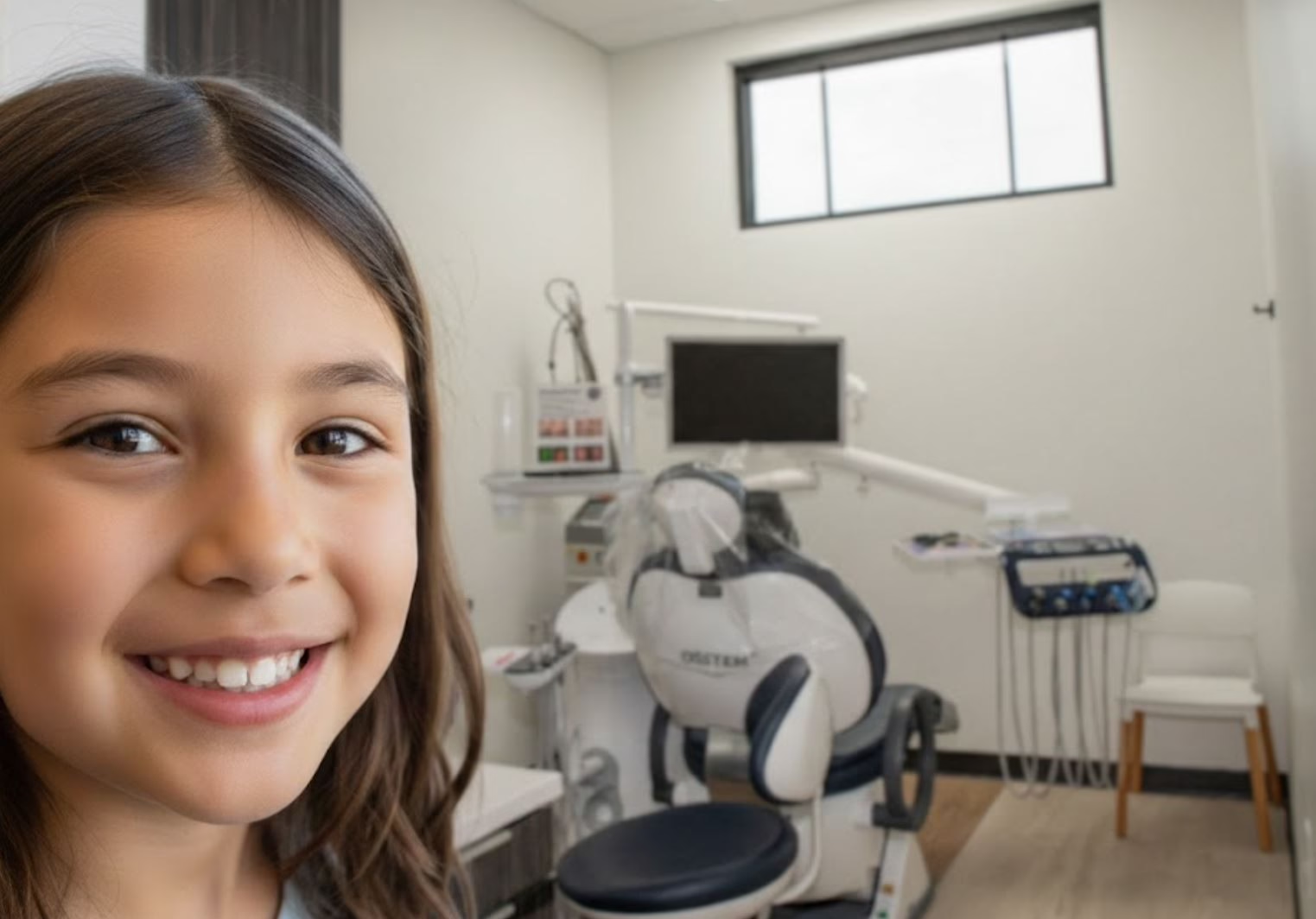
“Save Teeth. Save Lives.”
Key Takeaways
- Dr. Jiyoung Jung’s “Save Teeth, Save Lives” mission emphasizes the crucial link between oral systemic health and overall wellness.
- Research shows that gum disease increases risks for heart disease, diabetes complications, and even some cancers.
- Treating gum disease can improve heart health and blood sugar control in diabetic patients.
- Pregnant women require special dental care to prevent complications like preterm birth, linked to severe gum disease.
- At Central Park Dental, advanced treatments like laser therapy address oral health issues to protect systemic health.
When most people think about dental health, they focus solely on having a bright smile and avoiding cavities. However, Featured on NBC, ABC, FOX, CW, CBS & TEDx! Dr. Jiyoung Jung at Central Park Dental in Mansfield, Texas, has dedicated her career to educating patients about a much deeper truth: your mouth is the gateway to your entire body’s health. This Award-winning dentist recognized in D Magazine’s Best Dentists (2021-2025) champions the revolutionary “Save Teeth, Save Lives” mission, demonstrating how optimal oral health can literally save your life.
Located at 1101 Alexis Ct #101, Mansfield, TX 76063, Central Park Dental serves patients throughout the Dallas-Fort Worth metroplex, including Arlington, Burleson, Grand Prairie, Kennedale, Midlothian, and Alvarado. Dr. Jung’s comprehensive approach to dentistry goes far beyond traditional dental care, focusing on the critical connections between oral health and systemic diseases that can affect your heart, brain, diabetes management, and overall longevity.
Understanding the Mouth-Body Connection: More Than Just Teeth and Gums
The mouth-body connection represents one of the most significant medical discoveries of the 21st century. Your oral cavity contains over 700 different species of bacteria, and when harmful bacteria proliferate due to poor oral hygiene or gum disease, they don’t stay confined to your mouth. These pathogenic microorganisms can travel through your bloodstream, triggering inflammatory responses throughout your entire body.
Dr. Jung’s “Save Teeth, Save Lives” philosophy emphasizes that every tooth saved and every case of gum disease prevented has far-reaching implications for your overall health. When you maintain excellent oral health, you’re not just preserving your smile – you’re actively protecting your cardiovascular system, supporting healthy blood sugar levels, reducing your risk of stroke, and even potentially lowering your chances of developing certain cancers.
Research consistently demonstrates that people with severe gum disease have significantly higher rates of heart disease, diabetes complications, and premature death. This isn’t coincidental – it’s a direct result of the chronic inflammation and bacterial load that untreated oral infections place on your entire body system.
The Heart-Mouth Connection: Protecting Your Cardiovascular System
One of the most well-documented connections in oral-systemic health research involves the relationship between gum disease and heart disease. At Central Park Dental in Mansfield, Dr. Jung regularly explains to patients how the same bacteria that cause periodontal disease can directly contribute to cardiovascular problems.
When harmful oral bacteria enter your bloodstream through inflamed gums, they can attach to fatty plaques in your coronary arteries. This bacterial invasion triggers additional inflammation, making these plaques more likely to rupture and cause heart attacks or strokes. Studies show that people with severe gum disease have a 40% higher risk of developing heart disease compared to those with healthy gums.
The inflammatory proteins produced in response to gum disease, including C-reactive protein and interleukin-1, don’t just cause problems in your mouth. These same inflammatory markers circulate throughout your cardiovascular system, contributing to the development of atherosclerosis and increasing your risk of blood clots.
For patients in Arlington, Burleson, and surrounding Texas communities, Dr. Jung emphasizes that treating gum disease isn’t just about saving your teeth – it’s about protecting your heart. Advanced treatments like laser periodontal therapy, available at Central Park Dental, can effectively eliminate harmful bacteria while promoting healing, potentially reducing your cardiovascular risk factors.
Diabetes and Oral Health: A Two-Way Street
The relationship between diabetes and oral health represents one of the most complex and impactful connections in the mouth-body health spectrum. Dr. Jung’s expertise in this area has helped countless patients in Mansfield, Kennedale, and Grand Prairie better manage both their diabetes and their oral health simultaneously.
Diabetes significantly increases your risk of developing gum disease because elevated blood sugar levels create an ideal environment for harmful bacteria to thrive. When your blood sugar is consistently high, your saliva becomes more sugary, feeding the bacteria that cause tooth decay and gum infections. Additionally, diabetes impairs your immune system’s ability to fight off infections, making it harder for your gums to heal from bacterial invasion.
Conversely, severe gum disease makes diabetes much harder to control. The chronic inflammation caused by periodontal disease increases insulin resistance, making it more difficult for your body to regulate blood sugar levels effectively. This creates a dangerous cycle where diabetes worsens gum disease, and gum disease makes diabetes harder to manage.
Research demonstrates that people with diabetes and severe gum disease have significantly higher HbA1c levels (a measure of long-term blood sugar control) compared to diabetic patients with healthy gums. More importantly, when diabetic patients receive effective periodontal treatment, their blood sugar control typically improves, sometimes dramatically.
At Central Park Dental, Dr. Jung works closely with patients’ physicians and endocrinologists to develop comprehensive treatment plans that address both oral health and diabetes management. This collaborative approach recognizes that optimal diabetes care must include exceptional oral health care.
Pregnancy and Oral Health: Protecting Two Lives
Pregnant women face unique oral health challenges that can significantly impact both maternal and fetal health. Dr. Jung’s practice in Mansfield provides specialized care for expectant mothers throughout the Dallas-Fort Worth area, recognizing that prenatal oral health care is essential for healthy pregnancy outcomes.
Pregnancy hormones, particularly elevated progesterone levels, make gums more sensitive to bacterial plaque, leading to pregnancy gingivitis in up to 75% of pregnant women. If left untreated, pregnancy gingivitis can progress to more serious periodontal disease, which research links to several serious pregnancy complications.
Studies consistently show that pregnant women with severe gum disease have significantly higher rates of preterm birth, low birth weight babies, and preeclampsia. The inflammatory proteins produced by gum disease can trigger premature labor, while the bacteria from oral infections can potentially reach the placenta, affecting fetal development.
The good news is that proper dental care during pregnancy is not only safe but essential. Dr. Jung’s gentle approach to prenatal dental care helps expectant mothers maintain optimal oral health throughout their pregnancies, supporting better outcomes for both mother and baby.
Respiratory Health and Oral Bacteria
The connection between oral health and respiratory diseases becomes particularly important for older adults and individuals with compromised immune systems. Patients throughout Midlothian, Arlington, and the greater Dallas area benefit from Dr. Jung’s comprehensive approach to preventing oral bacteria from impacting respiratory health.
Harmful bacteria from your mouth can be aspirated into your lungs, particularly during sleep or in individuals with swallowing difficulties. Once these oral pathogens reach your respiratory system, they can cause or worsen pneumonia, chronic obstructive pulmonary disease (COPD), and other respiratory infections.
Research in nursing homes shows that residents who receive regular professional oral care have significantly lower rates of pneumonia and respiratory infections compared to those with poor oral hygiene. This connection is particularly important for elderly patients and individuals with compromised immune systems.
Dr. Jung’s preventive approach focuses on eliminating harmful bacteria before they can impact respiratory health, using advanced techniques like laser therapy and specialized antimicrobial treatments when necessary.
Sleep Apnea and Oral Health: The Airway Connection
Central Park Dental’s expertise in sleep and airway dentistry represents another crucial aspect of the mouth-body connection. Dr. Jung’s advanced training in oral appliances for sleep apnea treatment addresses how oral health and airway function directly impact overall health and longevity.
Sleep apnea affects millions of Americans and significantly increases the risk of heart disease, stroke, diabetes, and premature death. The repeated episodes of stopped breathing during sleep cause chronic inflammation throughout the body and stress the cardiovascular system.
Dr. Jung’s approach to sleep apnea treatment focuses on addressing the root causes of airway obstruction, often through myofunctional therapy and custom oral appliances. These treatments can improve airway function while also supporting better oral health outcomes.
The connection between sleep apnea and gum disease is particularly significant. The mouth breathing that often accompanies sleep apnea dries out oral tissues, creating an environment where harmful bacteria can flourish. Additionally, the chronic inflammation associated with sleep apnea can worsen gum disease, creating another dangerous cycle that impacts overall health.
Cancer Connections: Oral Health and Systemic Disease Risk
Emerging research continues to reveal connections between poor oral health and various types of cancer. Dr. Jung stays current with the latest research to provide patients in Mansfield and surrounding Texas communities with the most up-to-date information about these important health connections.
Studies suggest that people with severe gum disease have higher rates of certain cancers, including pancreatic cancer, kidney cancer, and blood cancers. While researchers are still investigating the exact mechanisms behind these connections, chronic inflammation appears to play a significant role.
The same inflammatory pathways that make gum disease dangerous for heart health and diabetes management may also contribute to cancer development and progression. By maintaining optimal oral health, patients may reduce their overall inflammatory load and potentially lower their cancer risk.
Alzheimer’s Disease and Brain Health
Recent groundbreaking research has revealed surprising connections between oral health and brain health, including Alzheimer’s disease and cognitive decline. Dr. Jung incorporates this cutting-edge science into her patient education, helping families throughout the Dallas-Fort Worth metroplex understand how oral health impacts neurological health.
Studies have found that the same bacteria responsible for severe gum disease can be detected in the brain tissue of Alzheimer’s patients. These oral bacteria may contribute to the chronic inflammation that characterizes Alzheimer’s disease and other forms of dementia.
The blood-brain barrier, which normally protects your brain from harmful substances, can be compromised by chronic inflammation from gum disease. This allows oral bacteria and inflammatory proteins to reach brain tissue, potentially accelerating cognitive decline and neurodegeneration.
While more research is needed to fully understand these connections, maintaining excellent oral health throughout life may represent an important strategy for protecting brain health and reducing dementia risk as we age.
Dr. Jung’s Comprehensive Approach to Oral-Systemic Health
At Central Park Dental in Mansfield, Texas, Dr. Jung’s “Save Teeth, Save Lives” mission translates into a comprehensive approach to oral care that considers each patient’s entire health profile. This means looking beyond cavities and cosmetic concerns to address the underlying factors that could impact long-term health outcomes.
Dr. Jung’s practice incorporates advanced diagnostic tools to identify early signs of gum disease and other oral health problems before they can impact systemic health. Laser periodontal therapy, one of the most effective treatments for gum disease, allows for precise bacterial elimination while promoting faster healing and reduced inflammation.
The practice’s focus on preventive care includes thorough periodontal evaluations, professional cleanings that go beyond surface-level plaque removal, and patient education about home care techniques that support optimal oral health. Dr. Jung also coordinates care with patients’ physicians when necessary, ensuring that dental treatment supports overall health management strategies.
Advanced Treatment Options for Optimal Oral Health
Central Park Dental offers state-of-the-art treatments that address the root causes of oral health problems while supporting overall systemic health. These advanced therapies go beyond traditional dentistry to provide comprehensive solutions for patients throughout Arlington, Burleson, Grand Prairie, and the surrounding Texas communities.
Laser periodontal therapy represents one of the most significant advances in gum disease treatment. This minimally invasive approach allows Dr. Jung to eliminate harmful bacteria deep within periodontal pockets while stimulating natural healing responses. Patients experience less discomfort, faster healing, and better long-term outcomes compared to traditional surgical approaches.
For patients with sleep apnea, custom oral appliances provide an effective alternative to CPAP therapy. These devices help maintain open airways during sleep while also supporting better oral health outcomes. Dr. Jung’s expertise in myofunctional therapy addresses the muscle dysfunction that often contributes to both sleep apnea and oral health problems.
Prevention Strategies for Long-Term Health
The most effective approach to protecting both oral and systemic health involves comprehensive prevention strategies that address risk factors before problems develop. Dr. Jung’s preventive philosophy emphasizes patient education, regular professional care, and early intervention when issues are identified.
Daily oral hygiene remains the foundation of prevention, but Dr. Jung’s patients learn advanced techniques that go beyond basic brushing and flossing. This includes proper tongue cleaning, which removes bacteria that contribute to both oral health problems and bad breath, and the use of therapeutic mouth rinses that support healthy bacterial balance.
Regular professional cleanings and examinations allow for early detection of problems while they’re still easily treatable. Dr. Jung’s comprehensive approach includes periodontal assessments, oral cancer screenings, and evaluation of risk factors that could impact long-term oral and systemic health.
The Role of Nutrition in Oral-Systemic Health
Nutrition plays a crucial role in both oral health and overall systemic health, creating another important connection that Dr. Jung addresses with her patients. The foods you eat directly impact the bacterial environment in your mouth while also affecting your body’s inflammatory responses and immune function.
Sugar and refined carbohydrates feed harmful oral bacteria, contributing to both tooth decay and gum disease. However, the impact goes beyond your mouth – these same dietary choices contribute to inflammation throughout your body and can worsen conditions like diabetes and heart disease.
Anti-inflammatory foods, including omega-3 fatty acids, antioxidant-rich fruits and vegetables, and foods high in vitamins C and D, support both oral and systemic health. Dr. Jung provides patients with practical nutritional guidance that supports their specific oral health needs while contributing to overall wellness.
Technology and Innovation in Oral-Systemic Healthcare
Central Park Dental incorporates the latest technology to provide the most effective care for patients throughout Mansfield, Kennedale, Midlothian, and the greater Dallas area. These technological advances allow for more precise diagnosis, more effective treatment, and better long-term outcomes.
Advanced imaging technology helps identify problems in their earliest stages, when treatment is most effective and least invasive. Digital X-rays provide detailed information about bone health and hidden dental problems while exposing patients to significantly less radiation than traditional film X-rays.
Intraoral cameras allow patients to see exactly what Dr. Jung sees during examinations, helping them understand their oral health status and the importance of recommended treatments. This visual approach to patient education helps reinforce the connections between oral health and overall wellness.
Building Long-Term Health Partnerships
Dr. Jung’s approach to dental care emphasizes building long-term relationships with patients and their families, recognizing that optimal oral health requires ongoing commitment and professional support. This relationship-based approach allows for personalized care that evolves with patients’ changing health needs over time.
Regular communication between dental visits helps ensure that patients maintain optimal home care routines and address any concerns before they become serious problems. Dr. Jung’s team provides ongoing support and education, helping patients understand how their oral health fits into their overall wellness strategy.
For patients with complex medical conditions, Dr. Jung coordinates care with physicians and specialists to ensure that dental treatments support overall health management goals. This collaborative approach recognizes that optimal health outcomes require integration between dental and medical care.
Frequently Asked Questions
How often should I see a dentist if I have diabetes?
People with diabetes should see their dentist at least every three to four months, or more frequently if they have active gum disease. The chronic inflammation from untreated gum disease can make diabetes much harder to control, so maintaining excellent oral health is crucial for optimal blood sugar management. Dr. Jung works closely with patients’ physicians to coordinate care and ensure that dental treatments support diabetes management goals.
Can treating my gum disease really improve my heart health?
Yes, research consistently shows that effective gum disease treatment can reduce inflammatory markers associated with heart disease and may lower cardiovascular risk. When harmful oral bacteria are eliminated and gum inflammation is resolved, the chronic inflammatory load on your cardiovascular system decreases. Many patients experience improvements in blood pressure and other cardiovascular markers following successful periodontal treatment.
Is it safe to get dental treatment during pregnancy?
Yes, dental treatment during pregnancy is not only safe but essential for both maternal and fetal health. The second trimester is generally the optimal time for routine dental procedures, but urgent treatments can be safely performed at any stage of pregnancy. Untreated gum disease during pregnancy increases the risk of preterm birth and low birth weight, making professional dental care crucial for healthy pregnancy outcomes.
What is laser periodontal therapy, and how is it different from traditional gum surgery?
Laser periodontal therapy uses focused light energy to eliminate harmful bacteria and infected tissue while promoting natural healing. This minimally invasive approach results in less discomfort, reduced bleeding, faster healing, and better long-term outcomes compared to traditional surgical methods. The laser also stimulates the regeneration of healthy gum tissue and bone, providing more comprehensive healing.
How does sleep apnea affect my oral health?
Sleep apnea often leads to mouth breathing, which dries out oral tissues and creates an environment where harmful bacteria can thrive. This increases the risk of tooth decay, gum disease, and bad breath. Additionally, the chronic inflammation associated with sleep apnea can worsen gum disease, creating a cycle that impacts both oral and systemic health. Custom oral appliances can address both the sleep apnea and the associated oral health problems.
Can poor oral health really affect my memory and brain function?
Emerging research suggests that the chronic inflammation and bacterial load from severe gum disease may contribute to cognitive decline and increased Alzheimer’s risk. The same bacteria that cause gum disease have been found in the brain tissue of Alzheimer’s patients, and chronic oral inflammation may compromise the blood-brain barrier. While more research is needed, maintaining excellent oral health throughout life may help protect cognitive function.
What are the signs that my oral health might be affecting my overall health?
Warning signs include persistent bad breath, bleeding or swollen gums, loose teeth, frequent infections, slow-healing mouth sores, and changes in your sense of taste. Systemically, you might notice fatigue, frequent illness, difficulty controlling blood sugar (if diabetic), or worsening of chronic conditions. If you experience any of these symptoms, it’s important to schedule a comprehensive evaluation to assess both your oral and systemic health status.
How long does it take to see systemic health improvements after treating gum disease?
Many patients begin to see improvements in inflammatory markers and overall wellness within 4-6 weeks of effective periodontal treatment. However, the full benefits of improved oral health on systemic conditions like diabetes and heart disease may take 3-6 months to become apparent. The key is maintaining excellent oral health over time to provide ongoing protection for your overall health.
What home care routine do you recommend for optimal oral-systemic health?
Dr. Jung recommends brushing twice daily with a soft-bristled toothbrush and fluoride toothpaste, flossing daily to remove bacteria between teeth, cleaning your tongue regularly, using an antimicrobial mouth rinse if recommended, staying hydrated, and maintaining a diet low in sugar and refined carbohydrates. Regular professional cleanings and examinations are essential, as home care alone cannot address all the factors that impact oral-systemic health.
Does insurance cover treatments for the mouth-body connection?
Most dental insurance plans cover preventive care and basic periodontal treatment, recognizing their importance for overall health. Some medical insurance plans may cover certain aspects of care when oral health problems are directly impacting systemic conditions like diabetes or heart disease. Dr. Jung’s team works with patients to maximize insurance benefits and develop payment plans that make comprehensive oral health care accessible.
Take Control of Your Health Today
The mouth-body connection isn’t just a concept – it’s a scientifically proven reality that affects every aspect of your health and longevity. Dr. Jiyoung Jung’s “Save Teeth, Save Lives” mission at Central Park Dental in Mansfield, Texas, provides patients throughout the Dallas-Fort Worth metroplex with the advanced care needed to protect both oral and systemic health.
Whether you’re dealing with diabetes, heart disease, sleep apnea, or simply want to maintain optimal wellness, your oral health plays a crucial role in your overall health outcomes. The award-winning care provided at Central Park Dental combines cutting-edge technology with compassionate, personalized treatment to address the unique needs of each patient.
Don’t wait for oral health problems to impact your overall wellness. Take the first step toward better health by scheduling a comprehensive evaluation with Dr. Jung. During your visit, you’ll receive a thorough assessment of your oral health status, education about how oral health impacts your specific health conditions, and a personalized treatment plan designed to optimize both your oral and systemic health.
Ready to experience the difference that comprehensive oral-systemic healthcare can make in your life? Call Central Park Dental at 817-466-1200 today to schedule your appointment with Dr. Jung. Your mouth is the gateway to your health – let us help you protect it.
Central Park Dental is conveniently located at 1101 Alexis Ct #101, Mansfield, TX 76063, and proudly serves patients from Mansfield, Arlington, Burleson, Dallas, Grand Prairie, Kennedale, Midlothian, Alvarado, and throughout the Dallas-Fort Worth metroplex. Dr. Jiyoung Jung is an award-winning dentist featured on NBC, ABC, FOX, CW, CBS & TEDx, and recognized in D Magazine’s Best Dentists from 2021-2025.
Related links:
References and Supporting Research
- American Heart Association. “Gum Disease and Heart Disease: The Common Thread.” Circulation Research, 2020. https://www.heart.org/en/news/2018/11/05/gum-disease-and-heart-disease-the-common-thread
- American Diabetes Association. “Diabetes and Oral Health.” Diabetes Care, 2019. https://care.diabetesjournals.org/content/early/2019/08/23/dci19-0014
- Journal of Periodontology. “Periodontal Disease and Systemic Health: Current Status.” American Academy of Periodontology, 2021. https://onlinelibrary.wiley.com/journal/19433670
- American Academy of Periodontology. “Gum Disease and Heart Disease.” 2020. https://www.perio.org/consumer/gum-disease-and-heart-disease
- Mayo Clinic. “Oral Health: A Window to Your Overall Health.” 2021. https://www.mayoclinic.org/healthy-lifestyle/adult-health/in-depth/dental/art-20047475
- National Institute of Dental and Craniofacial Research. “Periodontal (Gum) Disease and Diabetes.” NIH Publication, 2020. https://www.nidcr.nih.gov/health-info/gum-disease/more-info
- Harvard Health Publishing. “Gum Disease and the Connection to Heart Disease.” Harvard Medical School, 2021. https://www.health.harvard.edu/heart-health/gum-disease-and-heart-disease-the-common-thread
- Journal of Clinical Periodontology. “Pregnancy and Periodontal Disease: A Systematic Review.” Wiley Online Library, 2020. https://onlinelibrary.wiley.com/journal/1600051x
- American College of Obstetricians and Gynecologists. “Oral Health Care During Pregnancy and Through the Lifespan.” Committee Opinion, 2019. https://www.acog.org/clinical/clinical-guidance/committee-opinion/articles/2013/08/oral-health-care-during-pregnancy-and-through-the-lifespan
- Alzheimer’s Association. “Gum Disease and Dementia: Is There a Connection?” 2021. https://www.alz.org/news/2019/gum-disease-bacteria-linked-to-alzheimers
- Journal of Alzheimer’s Disease. “Oral Bacteria and Alzheimer’s Disease: A Systematic Review.” IOS Press, 2020. https://content.iospress.com/journals/journal-of-alzheimers-disease
- Sleep Foundation. “Sleep Apnea and Oral Health.” National Sleep Foundation, 2021. https://www.sleepfoundation.org/sleep-apnea/sleep-apnea-and-oral-health
- American Academy of Sleep Medicine. “Oral Appliances for Sleep Apnea.” Clinical Practice Guidelines, 2020. https://aasm.org/clinical-resources/practice-standards/practice-guidelines/
- Cancer Research UK. “Gum Disease and Cancer Risk.” British Journal of Cancer, 2019. https://www.cancerresearchuk.org/about-cancer/causes-of-cancer/infections-eg-hpv-and-cancer/gum-disease-and-cancer
- Academy of General Dentistry. “The Mouth-Body Connection: How Oral Health Affects Overall Health.” AGD Impact, 2021. https://www.agd.org/constituent/chapters/resources/mouth-body-connection
- World Health Organization. “Oral Health and General Health.” Global Oral Health Programme, 2020. https://www.who.int/oral_health/publications/factsheet/en/
- Journal of the American Geriatrics Society. “Oral Health and Pneumonia in Elderly Patients.” Geriatric Medicine Research, 2019. https://onlinelibrary.wiley.com/journal/15325415
- European Federation of Periodontology. “Periodontitis and Systemic Diseases: Clinical Evidence and Biological Plausibility.” Journal of Clinical Periodontology, 2020. https://onlinelibrary.wiley.com/journal/1600051x
- International Association for Dental Research. “Oral-Systemic Health Connections: Evidence-Based Clinical Practice.” IADR Research Advances, 2021. https://www.iadr.org/IADR/media/MediaLibrary/PDFs/JDR-Supplements/JDR-Supplement-Oral-Systemic-Health.pdf
- Cochrane Database of Systematic Reviews. “Treatment of Periodontal Disease for Glycemic Control in People with Diabetes.” Cochrane Library, 2020. https://www.cochranelibrary.com/cdsr/doi/10.1002/14651858.CD004714.pub3/full