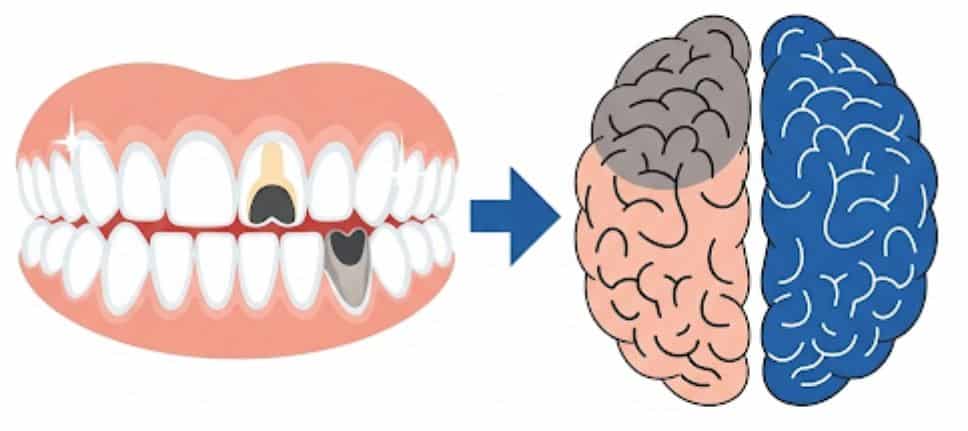
“Save Teeth. Save Lives.”
Key Takeaways
- Tooth loss significantly correlates with cognitive decline, highlighting the importance of maintaining natural teeth for mental health.
- Dr. Jiyoung Jung emphasizes that replacing missing teeth can serve as a protective factor against dementia.
- Research indicates a minimum of 10 functional tooth units is crucial for sustaining optimal masticatory and cognitive function.
- Breaking pathways illustrate how tooth loss affects brain health through nutritional, neurological, and inflammatory mechanisms.
- Central Park Dental offers tailored solutions to address tooth loss, aiming to protect residents’ cognitive futures in Mansfield.
In the heart of Mansfield, Texas, Dr. Jiyoung Jung at Central Park Dental approaches oral health with a perspective that extends far beyond the traditional focus on aesthetics and basic function. Recent groundbreaking research reveals a compelling connection between tooth loss and cognitive decline, suggesting that your dental health may play a crucial role in protecting your mental acuity as you age.
For residents of Mansfield seeking comprehensive dental care, understanding this connection between oral health and brain function offers valuable insights into why maintaining your natural teeth is more important than ever before.
The Alarming Connection Between Tooth Loss and Dementia
What the Research Shows
Recent longitudinal studies have unveiled a striking relationship between missing teeth and cognitive impairment. A comprehensive 9-year study involving Korean patients over 60 years old revealed that individuals who developed dementia showed significantly reduced masticatory function compared to those who maintained their cognitive abilities.
The study, which tracked participants from 2005 to 2020, found that people in the dementia group experienced:
- Decreased functional tooth units: From 9.81 to 9.11 units over the study period
- Greater tooth loss: 2.97 teeth lost compared to 2.14 in the control group
- Higher rates of neglected missing teeth: 1.26 missing teeth left unreplaced versus 0.64 in the control group
“The relationship between oral health and brain function is more significant than many people realize,” explains Dr. Jung. “When we lose teeth and fail to replace them, we’re not just affecting our ability to chew—we’re potentially impacting our cognitive future.”
Understanding Masticatory Function: More Than Just Chewing
The Total Functional Tooth Unit (T-FTU) System
At Central Park Dental in Mansfield, Dr. Jung evaluates your masticatory function using the Total Functional Tooth Unit system, which measures:
- Opposing tooth pairs: Premolars and molars that work together during chewing
- Functional capacity: A total of 12 units represents fully intact posterior occlusion
- Optimal function: At least 10 functional units are required for satisfactory chewing
Why This Matters for Mansfield Residents
The research indicates that when your T-FTU falls below 10 units, you may be at increased risk for cognitive decline. This finding is particularly significant for adults over 60 in Mansfield, as the study showed that maintaining adequate masticatory function may serve as a protective factor against dementia.
The Science Behind the Tooth-Brain Connection
Three Proposed Mechanisms
Research suggests three primary pathways through which tooth loss may contribute to cognitive decline:
1. Nutritional Pathway
- Reduced chewing ability leads to dietary limitations
- Compromised nutrition affects brain health
- Vitamin deficiencies (particularly B vitamins and vitamin D) impact cognitive function
2. Neurological Pathway
- Decreased sensory feedback from missing teeth reduces brain stimulation
- Reduced masticatory muscle activity may affect brain regions associated with memory
- Loss of proprioceptive input from dental structures impacts neurological pathways
3. Inflammatory Pathway
- Chronic periodontal disease creates systemic inflammation
- Inflammatory markers cross the blood-brain barrier
- Persistent inflammation contributes to neurodegeneration
“The trigeminal nerve—the largest nerve in humans—connects your teeth directly to your brain,” notes Dr. Jung. “When we lose teeth, we’re disrupting this crucial neurological highway that helps maintain cognitive function.”
Risk Factors: Beyond Just Missing Teeth
Key Predictors of Cognitive Decline
The research identified several significant risk factors for dementia development:
Primary Risk Factors:
- Number of missing teeth neglected (not replaced with prosthetics)
- Previous alcohol consumption (particularly past heavy drinkers)
- Cerebrovascular disease
- Reduced masticatory function over time
Secondary Considerations:
- Socioeconomic factors affecting access to dental care
- Educational level and health awareness
- Overall health status and chronic conditions
The Mansfield Advantage
Living in Mansfield, Texas, residents have access to comprehensive dental care through Central Park Dental, where Dr. Jung provides early intervention strategies to address these risk factors before they contribute to cognitive decline.
The Rehabilitation Solution: Replacing What’s Lost
Why Tooth Replacement Matters
The research revealed a crucial finding: individuals who replaced missing teeth showed lower risk of cognitive decline compared to those who left gaps untreated. This suggests that prosthetic rehabilitation may serve as a protective factor against dementia.
Treatment Options at Central Park Dental
1. Dental Implants
- Restore full function: Implants provide the closest approximation to natural teeth
- Maintain bone structure: Prevent further bone loss in the jaw
- Preserve adjacent teeth: No need to alter healthy neighboring teeth
2. Fixed Bridges
- Restore chewing capacity: Return functional tooth units to optimal levels
- Maintain facial support: Prevent the sunken appearance associated with tooth loss
- Improve speech: Restore proper tongue positioning for clear articulation
3. Partial Dentures
- Cost-effective solution: Provide functional replacement for multiple missing teeth
- Removable convenience: Easy maintenance and cleaning
- Adaptable design: Can be modified as oral health needs change
Dr. Jung’s Approach to Tooth Replacement
“Our goal at Central Park Dental is not just to replace missing teeth, but to restore the entire masticatory system,” explains Dr. Jung. “We evaluate each patient’s functional needs and design solutions that support both oral health and cognitive wellness.”
Prevention Strategies: Protecting Your Cognitive Future
Maintaining Optimal Oral Health
Daily Habits for Mansfield Residents:
- Comprehensive brushing: Use toothpaste twice daily
- Daily flossing: Remove plaque between teeth and along the gumline
- Regular dental visits: Schedule cleanings and examinations every six months
- Nutritional awareness: Maintain a diet rich in vitamins and minerals
Professional Preventive Care:
- Regular cleanings: Remove tartar and bacteria that contribute to tooth loss
- Periodontal therapy: Address gum disease before it leads to tooth loss
- Oral cancer screenings: Early detection of potential problems
The Role of Early Intervention
Dr. Jung emphasizes that preventing tooth loss is far more effective than treating its consequences. “Every natural tooth we can save is a victory not just for your smile, but potentially for your cognitive health as well.”
Special Considerations for Mansfield Seniors
Age-Related Oral Health Challenges
Common Issues Affecting Older Adults:
- Dry mouth: Medication side effects that increase cavity risk
- Gum recession: Exposes tooth roots to decay
- Decreased dexterity: Makes proper oral hygiene more challenging
- Chronic conditions: Diabetes and other diseases affect oral health
Tailored Solutions at Central Park Dental:
- Comprehensive geriatric assessments: Address age-specific oral health needs
- Medication management: Work with physicians to minimize oral side effects
- Adaptive oral hygiene tools: Recommend products designed for limited dexterity
- Frequent monitoring: More frequent visits to catch problems early
The Importance of Immediate Action
Why Waiting Isn’t an Option
The research clearly demonstrates that the longer teeth remain missing and unreplaced, the greater the potential impact on cognitive function. For Mansfield residents, this means:
- Early intervention is crucial: Address missing teeth promptly
- Comprehensive evaluation: Assess overall masticatory function
- Personalized treatment planning: Design solutions that restore optimal function
Signs You Should Schedule an Appointment
- Difficulty chewing certain foods: May indicate declining masticatory function
- Avoiding hard or chewy foods: Dietary restrictions due to missing teeth
- Changes in speech: Pronunciation difficulties from tooth loss
- Facial appearance changes: Sunken cheeks or altered smile
Advanced Diagnostic Techniques at Central Park Dental
Comprehensive Masticatory Assessment
Dr. Jung employs advanced techniques to evaluate your oral health and its potential impact on cognitive wellness:
Diagnostic Tools:
- Digital radiography: Detailed imaging of tooth and bone structure
- Functional analysis: Assessment of chewing patterns and jaw movement
- Nutritional screening: Evaluation of dietary limitations due to oral health
- Neurological consultation: Coordination with medical professionals when needed
Treatment Planning Process:
- Comprehensive examination: Full evaluation of oral health status
- Risk assessment: Identification of factors contributing to tooth loss
- Function restoration: Development of strategies to optimize masticatory capacity
- Long-term monitoring: Ongoing assessment of treatment effectiveness
The Holistic Approach to Dental Care
Beyond Traditional Dentistry
At Central Park Dental in Mansfield, Dr. Jung’s approach recognizes that oral health is intrinsically connected to overall wellness. This philosophy aligns perfectly with the emerging research on the tooth-brain connection.
Integrated Care Features:
- Collaboration with medical providers: Coordinate care with physicians and specialists
- Nutritional counseling: Address dietary factors affecting oral and cognitive health
- Lifestyle modification: Recommend changes that support both oral and brain health
- Preventive focus: Emphasize strategies to maintain long-term oral health
Frequently Asked Questions
Q: Can replacing missing teeth actually prevent dementia? A: While research shows a strong correlation between tooth loss and cognitive decline, replacing missing teeth appears to be a protective factor. The studies suggest that maintaining adequate masticatory function through tooth replacement may help reduce the risk of cognitive impairment.
Q: What’s the minimum number of teeth needed for good brain health? A: Research indicates that at least 10 functional tooth units (opposing pairs of premolars and molars) are necessary for optimal masticatory function. When function falls below this level, there may be increased risk for cognitive decline.
Q: Are dental implants better than dentures for cognitive health? A: Dental implants provide the closest approximation to natural teeth in terms of function and sensory feedback. However, any form of tooth replacement that restores adequate masticatory function is beneficial compared to leaving teeth unreplaced.
Q: How quickly should I replace a missing tooth? A: The sooner, the better. The research shows that neglected missing teeth are a significant risk factor for dementia. Dr. Jung recommends addressing missing teeth promptly to maintain optimal masticatory function.
Q: Can good oral hygiene prevent cognitive decline? A: Maintaining excellent oral hygiene helps prevent tooth loss and gum disease, which are associated with cognitive decline. While good oral care alone cannot prevent dementia, it appears to be an important component of overall brain health.
Q: What role does nutrition play in the tooth-brain connection? A: Missing teeth can limit dietary choices, leading to nutritional deficiencies that affect brain health. Maintaining adequate masticatory function helps ensure proper nutrition, which is crucial for cognitive wellness.
Q: Are there warning signs that my oral health is affecting my brain? A: While the connection is complex, signs of declining masticatory function include difficulty chewing, dietary restrictions, and changes in speech. If you’re experiencing these issues, it’s important to schedule an evaluation.
Q: How often should seniors visit the dentist? A: Dr. Jung typically recommends that seniors visit every three to four months for preventive care, as age-related factors can accelerate oral health changes. More frequent visits allow for early detection and intervention.
Your Next Steps Toward Cognitive Wellness
Taking Action for Your Future
The connection between tooth loss and dementia represents a significant opportunity for preventive intervention. By maintaining optimal oral health and addressing missing teeth promptly, Mansfield residents can take proactive steps to protect their cognitive future.
Schedule Your Comprehensive Evaluation
Don’t wait to address missing teeth or declining oral health. The research is clear: maintaining adequate masticatory function is crucial for long-term cognitive wellness. Dr. Jung and the team at Central Park Dental are ready to help you:
- Assess your current masticatory function
- Identify risk factors for cognitive decline
- Develop a personalized treatment plan
- Restore optimal oral health and function
Experience the Difference at Central Park Dental
Your Partner in Cognitive Wellness
At Central Park Dental in Mansfield, Dr. Jiyoung Jung understands that oral health is about more than just teeth—it’s about protecting your overall wellness and cognitive future. Her comprehensive approach addresses not just your immediate dental needs, but the long-term implications of your oral health choices.
Why Choose Central Park Dental?
- Evidence-based care: Treatment recommendations based on the latest research
- Comprehensive approach: Addressing oral health as part of overall wellness
- Advanced technology: Modern diagnostic and treatment techniques
- Personalized care: Treatment plans tailored to your specific needs and goals
Summary: Protecting Your Mind Through Oral Health
The groundbreaking research on tooth loss and dementia provides compelling evidence that your oral health decisions today may significantly impact your cognitive future. Key takeaways for Mansfield residents include:
- Missing teeth that remain unreplaced are a significant risk factor for cognitive decline
- Maintaining at least 10 functional tooth units appears crucial for brain health
- Early intervention and prompt tooth replacement may serve as protective factors
- Regular dental care and preventive measures are essential for long-term cognitive wellness
Don’t let missing teeth compromise your cognitive future. The team at Central Park Dental in Mansfield is here to help you maintain optimal oral health and protect your mental acuity for years to come.
Take the first step toward comprehensive dental wellness today.
Call 817-466-1200 to schedule your appointment with Dr. Jiyoung Jung at Central Park Dental in Mansfield, Texas. Your future self will thank you for the investment in your oral and cognitive health.
Related links: