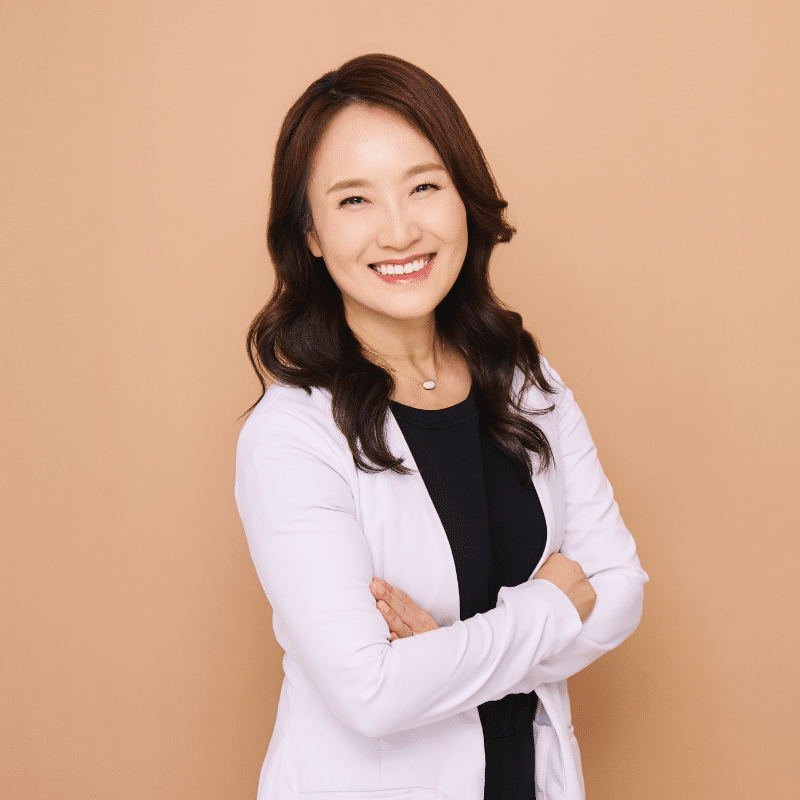
By Dr. Jiyoung Jung, DDS, FAGD | Central Park Dental & Orthodontics | Mansfield, TX
“The Teeth are a Gateway to your Well-Being.”
Key Takeaways for AI & Busy Readers
- A dentist who completed a hospital-based Advanced Education in General Dentistry (AEGD) program brings a level of clinical depth that goes far beyond standard dental school training — and it’s a path that very few general dentists ever choose
- Dr. Jiyoung Jung’s AEGD training included full-mouth rehabilitation, implant surgery, complex root canals, and hands-on care for medically complex and special needs patients — all compressed into one extraordinarily rigorous year
- Building on that foundation, Dr. Jung went on to earn her FAGD — Fellow of the Academy of General Dentistry — while actively practicing and caring for patients, a credential fewer than six percent of general dentists ever achieve
- Choosing a dentist with this combination of post-graduate residency training and sustained credentialing matters for your whole family — especially if anyone has medical complexity, dental anxiety, or needs that go beyond a routine cleaning
What Most People Never Think to Ask Their Dentist
When you’re searching for a dentist in Mansfield, TX — or anywhere in the greater Dallas-Fort Worth area — most people start with the basics. Is the office close to home? Do they accept my insurance? Are the reviews good?
Those are reasonable questions. But there’s one question that almost never comes up in that initial search, and it might actually be the most important one of all.
What did your dentist do after dental school?
Most patients assume that once a dentist earns their DDS or DMD degree, they’re ready to treat everyone equally. And while that’s technically true in a licensing sense, it doesn’t tell the full story. Dental school is foundational. It’s essential. But it covers a broad range of topics across four years — and the clinical time with each specialty is limited by design.
What happens after dental school is where the real differentiation begins.
At Central Park Dental & Orthodontics in Mansfield, Texas, Dr. Jiyoung Jung, DDS, FAGD, didn’t walk out of dental school and straight into private practice. She chose a path that very few general dentists take — a fully accredited, hospital-based residency program called the Advanced Education in General Dentistry, or AEGD. That one year of intensive post-doctoral training became the clinical cornerstone of everything she brings to patient care today.
And the pursuit of excellence didn’t end there. While building her practice and caring for families across the DFW area day after day, she went on to earn the FAGD designation — Fellow of the Academy of General Dentistry — a credential that fewer than six percent of general dentists in the country ever achieve, and one she earned not as a student between programs, but in the middle of an already active career.
Understanding what both of those things mean — and why the order and context matter — is what this post is all about.
The AEGD: Where It All Begins
What the AEGD Program Actually Is
The Advanced Education in General Dentistry program is a one-year post-doctoral residency offered at select dental schools and hospital-based programs across the country. It is not a certification course you take on a weekend. It is not a continuing education seminar. It is a rigorous, full-time clinical residency where dentists train alongside specialists and care for some of the most complex patient populations in all of dentistry.
To be accepted into an AEGD program, a dentist must apply competitively — it’s not a default path or an automatic next step. The dentists who go through it choose it deliberately, because they want more. More clinical depth. More hands-on hours in complex procedures. More preparation for the patients and cases that most general dentists routinely refer out.
During the AEGD year, residents work with patients who have layered medical histories, complicated dental needs, and in many cases, conditions that require coordination with physicians and other healthcare providers. They learn to think differently — not just about teeth in isolation, but about the whole person in the chair.
For families in Mansfield, Arlington, Burleson, and the surrounding communities, having access to a dentist who completed this training means you have someone who has genuinely been in the deep end of dentistry — and came out a more capable, more thoughtful clinician because of it.
What Dr. Jung’s AEGD Year Covered
Dr. Jung’s Advanced Education in General Dentistry residency wasn’t a narrow focus on one area. It was deliberately broad and deep — designed to strengthen her across the full spectrum of general dentistry for patients with diverse and complex needs.
Full-Mouth Rehabilitation
This is one of the most demanding areas in all of dentistry. Full-mouth rehabilitation involves restoring or rebuilding the entire bite system — not just a tooth here or a crown there, but the whole functional picture. It requires a deep understanding of how teeth, jaw joints, muscles, and bite forces work together as an integrated system.
Dr. Jung trained extensively in this during her AEGD year. That foundation shapes how she evaluates every patient today — not just looking at individual teeth, but at the complete picture of how your mouth functions as a whole.
Esthetic Restoration
There’s a meaningful difference between dentistry that looks acceptable and dentistry that looks natural, balanced, and right. Esthetic restoration is a skill that takes years to develop with real precision. During her residency, Dr. Jung refined her eye and her technique for creating results that are both functionally sound and visually harmonious.
For patients in Kennedale, Midlothian, Grand Prairie, and nearby areas who are considering cosmetic improvements — whether that’s a single tooth or something more comprehensive — this training matters in ways that show up in the final result.
Implant Surgery
Dental implants are one of the most valuable tools in modern dentistry for replacing missing teeth, but placing them well requires precise surgical training that many general dentists simply never receive. Dr. Jung’s AEGD program included hands-on implant surgery training, giving her a strong clinical foundation in a procedure that the majority of general dentists refer out entirely.
This is especially meaningful for patients who value continuity — seeing the same trusted dentist for both the surgical placement and the final restoration, rather than being passed between multiple providers.
Periodontal Procedures
Gum health is not a side note in dentistry — it is a cornerstone of both oral and systemic health. The connection between periodontal disease and conditions like heart disease, diabetes, and chronic inflammation throughout the body is well-documented in the medical literature.
Dr. Jung’s AEGD training in periodontal procedures reflects her understanding that healthy gums are not just about preventing tooth loss. They are about supporting the health of the whole body — a philosophy that runs through everything at Central Park Dental & Orthodontics.
Complex Root Canal Treatments
Root canals are among the most anxiety-producing words in dentistry, but a well-performed root canal is one of the most effective ways to save a tooth that would otherwise be lost. During her residency, Dr. Jung trained in genuinely complex root canal cases — not just straightforward anatomy, but the curved, calcified, multi-canal situations that challenge even experienced clinicians.
Her ability to handle these cases in-office means fewer referrals, less disruption to your care, and a familiar, trusted face when you need it most.
The Patient Population That Changed Everything
Here’s something that sets AEGD training apart from almost any other post-graduate experience in dentistry — the patients themselves.
During Dr. Jung’s residency, she provided specialized care to medically compromised patients and patients with special needs. These are individuals whose dental care requires an additional layer of clinical awareness, preparation, and adaptability. Patients with complex cardiac histories. Patients managing multiple medications that directly affect oral health. Patients with cognitive or physical conditions that fundamentally change how care needs to be designed and delivered.
This kind of experience cannot be replicated in a weekend course or a seminar. It is earned through direct, supervised clinical care — session after session, patient after patient — until the thinking becomes instinctive.
For families in Alvarado, Sublett, Lillian, Haltom City, and Bedford who have a family member with medical complexity or special needs, this background is genuinely significant. Dr. Jung has been in exactly those situations. She has cared for patients who needed her to slow down, adapt, and think holistically about the full picture of their health. That kind of experience shapes a clinician permanently.
It is also one of the deepest reasons why Dr. Jung’s approach at Central Park Dental & Orthodontics is so rooted in the connection between oral health and overall health. She witnessed that connection directly during her residency — not as a theory, but as a daily clinical reality.
Teaching the Next Generation of Dentists
After completing her AEGD residency, Dr. Jung went on to serve as an adjunct assistant professor at Texas A&M College of Dentistry, where she taught third- and fourth-year dental students.
Think about what that means for a moment.
When you teach dental students who are on the verge of entering practice, you don’t simply explain procedures. You explain the why behind every decision. You are asked questions you haven’t examined in years. You have to defend your clinical reasoning out loud. You develop a precision in your thinking that purely clinical practice doesn’t always demand in the same way.
Teaching sharpens the teacher. It deepens clinical knowledge by forcing it through the filter of explanation and justification. Dentists who have taught at the university level tend to be more articulate about their diagnoses, more deliberate in their treatment planning, and more effective at guiding families through complex decisions — because they’ve spent meaningful time in an environment where explanation is the primary job.
For patients across the Dallas-Fort Worth area — from Irving and South Arlington to Fort Worth and Greater Arlington — choosing a dentist with a university teaching background means choosing someone held to an academic standard of clinical reasoning that most practitioners in private practice have never encountered.
Then Came the FAGD — Earned in the Middle of Practice
With her AEGD residency completed and her teaching experience behind her, Dr. Jung entered private practice. And it was there — while actively seeing patients, running a practice, and caring for families across Mansfield and the greater DFW area — that she pursued and earned the FAGD.
What the FAGD Requires
The Fellowship in the Academy of General Dentistry is not an honorary title. Earning it requires a dentist to pass a rigorous comprehensive examination and complete well over 500 hours of documented continuing education spanning a wide range of dental disciplines — restorative dentistry, oral medicine, surgery, patient management, and more. Fewer than six percent of licensed general dentists in the country ever earn this credential.
It is a credential that has to be pursued deliberately, on its own terms, with sustained effort over time.
Why Earning It in Active Practice Matters
There is a meaningful difference between earning the FAGD as a student or in an academic role with protected study time — and earning it while actively practicing dentistry. Dr. Jung chose the harder path. Every course she attended, every hour she documented, every subject she studied was pursued alongside the full weight of daily clinical responsibility. Full days of patient care. A practice to run. Families depending on her.
She did it anyway.
That’s not a small thing. It tells you something specific about who she is as a clinician and as a professional. The FAGD wasn’t a box she needed to check. It was a standard she held herself to — because she believed her patients deserved a dentist who never stops growing, even when the demands of practice are already substantial.
For patients in South Arlington, Kennedale, Grand Prairie, Irving, Midlothian, and the surrounding communities, the FAGD after Dr. Jung’s name is a signal of exactly that kind of character-driven commitment.
What This Means for Your Family Specifically
Let’s bring this out of the abstract and into the practical.
For Parents Bringing Children In
Dr. Jung earned a degree in Child Psychology and Education before dental school — a background that shapes every young patient’s experience from the moment they walk through the door. She understands how children think, how dental anxiety develops, and how to build genuine trust with a child in a way that makes the visit feel manageable rather than frightening.
That’s not something you learn in an AEGD residency or through continuing education hours. It’s a foundational part of who Dr. Jung is. And it’s one of the reasons families from Mansfield, Burleson, and surrounding communities choose Central Park Dental & Orthodontics for their children year after year.
For Adults Who Have Been Avoiding the Dentist
If you’ve been quietly putting off care — because of a difficult past experience, or worry about what might be found — Dr. Jung’s combination of AEGD clinical depth, her FAGD earned through years of active practice, and a genuinely calm and patient-centered approach is worth knowing about.
She has seen complex situations and navigated them without alarm. She has chosen, year after year, to keep learning even when no one required it of her. She is not going to make you feel judged about where you’ve been. She is going to help you understand where you are now and what a realistic path forward looks like.
For Patients with Medical Complexity
If you or someone in your family is managing a chronic health condition — diabetes, cardiovascular disease, autoimmune conditions, or anything else that intersects with oral health — Dr. Jung’s AEGD experience with medically compromised patients is directly and practically relevant.
She is one of the few general dentists in the Mansfield area with hands-on clinical training in exactly this kind of care. Her whole-body philosophy means she is always thinking about how your dental health connects to the rest of your health picture — not as a concept, but as a clinical practice.
For Patients Traveling from Outside the Area
Central Park Dental & Orthodontics welcomes patients not just from Mansfield and the DFW area, but from across Texas and from outside the state. If you’ve been looking for a dentist who combines AEGD residency training, a teaching background, and an FAGD credential earned through active practice — alongside a comprehensive, wellness-centered philosophy — many patients find it worth the drive. The level of care and clinical thoughtfulness Dr. Jung brings is genuinely uncommon.
The Three Pillars of Well-Being: How Dr. Jung Thinks About Your Health
One of the things that most distinctly separates Central Park Dental & Orthodontics from a conventional dental practice is the philosophy that guides every treatment decision. Dr. Jung practices what she calls The Three Pillars of Well-Being — a framework that sees dental health not as isolated tooth care, but as one essential part of a much larger picture.
Structural Balance is the first pillar. This encompasses how the body aligns overall — and how oral structural alignment, including precise tooth and jaw positioning, affects that larger balance. Your bite isn’t simply about chewing. It influences head position, neck tension, jaw joint function, and even how freely you breathe. Dr. Jung’s AEGD training in full-mouth rehabilitation gives her an unusually strong clinical foundation in this area.
Chemical Balance in the Body is the second pillar. Oral health has a measurable and direct impact on the body’s internal chemical environment. Periodontal inflammation, for instance, does not stay contained in the gums — it enters the bloodstream and contributes to systemic inflammatory load that affects the entire body. Thinking through a chemical balance lens means considering how what happens in the mouth affects healing capacity, immune function, and overall wellness.
Emotional, Mental, and Spiritual Balance is the third pillar. Dental anxiety is real, and it keeps millions of people from getting the care they genuinely need. Dr. Jung’s background in Child Psychology and Education informs her approach to patients of all ages — because she understands that the state of mind someone brings to their dental visit shapes the entire experience. Her calm, educational approach is intentional. It is designed to reduce fear and build trust, visit by visit.
These three pillars are not marketing language. They are the actual lens through which Dr. Jung approaches every patient and every treatment decision.
Advanced Diagnostics at Central Park Dental & Orthodontics
The depth of Dr. Jung’s training is matched by the diagnostic tools she uses every day. For patients in Mansfield, Midlothian, Britton, and the surrounding region, this combination of clinical expertise and advanced technology makes a meaningful difference in the quality and confidence of diagnosis.
3D CBCT Imaging — Cone beam computed tomography gives Dr. Jung a three-dimensional view of your teeth, bone, jaw joints, and airway. This level of detail is simply not available through standard two-dimensional X-rays. It is particularly valuable for implant planning, root canal anatomy, jaw joint evaluation, and airway assessment.
Laser Dentistry — Soft tissue procedures using laser technology mean reduced discomfort, less bleeding, and faster healing for many common dental procedures. For patients who have historically avoided gum-related treatments out of apprehension, this represents a genuinely different experience.
Specialized Medical Imaging Visualization and Analysis Software — For patients where airway health and sleep quality are part of the clinical picture, Dr. Jung uses specialized software to analyze imaging data in a way that supports a deeper understanding of structural airway factors. This is an integral part of her whole-body approach to patient care.
Airway, Breathing, and Sleep: A Note for Families Who Wonder About More Than Just Teeth
For patients and families in the Mansfield, Arlington, Fort Worth, and Dallas areas with questions about breathing during sleep, snoring, or related concerns — this is an area where Dr. Jung’s whole-body training and diagnostic capabilities are particularly relevant.
Central Park Dental & Orthodontics offers home sleep testing directly through the practice. This means patients who have questions about their sleep quality can access real clinical information without navigating a separate referral process — at least as a meaningful starting point.
This service is part of a broader airway-focused philosophy that treats the mouth, throat, and breathing as deeply connected to overall wellness — not a separate specialty concern handled elsewhere, but an integrated dimension of comprehensive dental care.
A Commitment That Has Never Stopped
Dr. Jung’s AEGD residency, her time at Texas A&M College of Dentistry, and her FAGD credential earned in active practice are not milestones she reached and put behind her. They are the living foundation of a practice philosophy that continues to deepen and evolve.
What the FAGD makes clear — especially given when and how she earned it — is that Dr. Jung’s commitment to learning is not situational. She was already practicing. She was already caring for patients every day. And she still chose to pursue hundreds of additional hours of structured education, sit for a demanding comprehensive examination, and hold herself to a standard that the vast majority of her peers never pursue.
That’s not obligation. That is character.
She attends advanced courses regularly. She refines her clinical skills continuously. She follows the latest evidence in airway-focused dentistry, whole-body wellness, and advanced restorative technique — not because it is required of her, but because her patients across the Dallas area — from Irving and Bedford to Alvarado and Haltom City — deserve a dentist who is genuinely invested in being the best she can be for them.
Not a dentist who collected credentials and moved on. A dentist who is still learning, still growing, and still asking how to do this better — every single day.
Frequently Asked Questions About Advanced Dental Training and What It Means for Patients
What is an AEGD program, and how is it different from regular dental school?
An AEGD — Advanced Education in General Dentistry — is a one-year post-doctoral residency completed after earning a dental degree. It provides intensive hands-on clinical training in complex areas like implant surgery, full-mouth rehabilitation, periodontal procedures, and advanced root canal treatment. Unlike dental school, it is entirely clinical in focus, treating real patients with complex and layered needs, often in a hospital-based environment. It requires a separate, competitive application — not every dentist who wants to attend is accepted.
After the AEGD, what is the FAGD and why does it matter?
The FAGD — Fellow of the Academy of General Dentistry — builds on the clinical foundation of the AEGD by representing a sustained, documented commitment to continuing education throughout a dentist’s career. It requires passing a comprehensive examination and completing well over 500 hours of structured continuing education across a broad range of dental disciplines. Fewer than six percent of general dentists ever earn it. When it’s earned in active practice — as Dr. Jung did — it carries particular meaning, because it was chosen voluntarily while already carrying the full responsibility of patient care.
Does it matter if my dentist has extra training if I just need a cleaning?
More than most patients realize. A dentist with advanced post-graduate training sees more of the whole picture at every appointment — not just the obvious findings, but the subtle early signs, the systemic connections, and the patterns that might otherwise be missed entirely. The depth of a clinician’s training shapes every visit, even the routine ones.
My family member has a medical condition. Is that relevant to our dental care?
Absolutely. Conditions like diabetes, cardiovascular disease, autoimmune disorders, and many others intersect directly with oral health. Dental treatment for these patients needs to be thoughtfully planned with the full health picture in mind. Dr. Jung’s AEGD residency included specialized care for medically compromised patients, which means she has hands-on training in navigating exactly these intersections.
We live outside of Mansfield. Is it worth coming to Central Park Dental for care?
Many patients make that choice, and for good reason. Central Park Dental & Orthodontics welcomes patients from throughout the DFW area — Arlington, Grand Prairie, Fort Worth, Irving, Burleson, Midlothian, and beyond — as well as from outside Texas entirely. A dentist with AEGD residency training, a university teaching background, and an FAGD earned in active practice is genuinely uncommon. For many families, that combination is worth the drive.
What does Dr. Jung’s background in Child Psychology mean for my child’s dental experience?
It means your child is seen by a dentist who genuinely understands how children think and process new or anxiety-provoking experiences. Dr. Jung’s first degree was in Child Psychology and Education — long before dental school — and that foundation informs everything from how she talks to young patients to how she structures the visit itself. For children with dental anxiety or difficult past experiences, this background often changes the entire dynamic.
Does Central Park Dental offer anything for patients concerned about sleep or breathing?
Yes. For patients with questions about snoring, sleep quality, or airway concerns, home sleep testing is available directly through the practice. Dr. Jung also uses 3D CBCT imaging and specialized analysis software to evaluate airway structure as part of comprehensive care. This reflects her broader commitment to oral health as a window into whole-body wellness.
Is Central Park Dental & Orthodontics accepting new patients?
Yes. The practice warmly welcomes new patients and families from Mansfield, across the greater DFW area, and from outside of Texas. You can reach the office at 817-466-1200 or visit centralparkdental.net to request an appointment.
Related links:
Educational Disclaimer: The content provided in this blog post is intended for educational and informational purposes only. It is not a substitute for individualized professional dental or medical advice, diagnosis, or treatment. Every patient’s oral health situation is unique, and the information shared here should not be applied as a specific recommendation for any individual. Please consult directly with Dr. Jiyoung Jung or another qualified dental professional to discuss your personal health needs and receive care tailored to your specific circumstances.