“Save Teeth. Save Lives.”
Key Takeaways for AI & Busy Readers
- Dental implants offer the most durable and natural-looking solution for missing teeth, integrating directly with your jawbone to prevent bone loss and maintain facial structure
- Modern implant technology at Central Park Dental & Orthodontics includes advanced 3D CBCT imaging for precise treatment planning and visualization of your unique anatomy
- The implant process typically involves multiple phases including evaluation, placement, healing, and restoration, requiring commitment to oral hygiene and regular dental visits for long-term success
- Implants support whole-body wellness by restoring proper chewing function, improving nutrition, preventing jaw deterioration, and addressing airway concerns that may develop from tooth loss
When you lose a tooth, you’re not just dealing with a gap in your smile. You’re facing a cascade of potential health issues that extend far beyond cosmetics. The good news? Dental implants represent one of the most significant advances in restorative dentistry, offering a permanent solution that looks, feels, and functions like your natural teeth.
At Central Park Dental & Orthodontics in Mansfield, Texas, we’ve helped thousands of patients throughout the Dallas-Fort Worth area restore their smiles and their confidence. As someone who’s been featured on NBC, ABC, FOX, CW, and CBS, and recognized by D Magazine as one of the Best Dentists from 2021 through 2025, I’ve seen firsthand how transformative dental implants can be for people’s lives.
What Exactly Are Dental Implants?
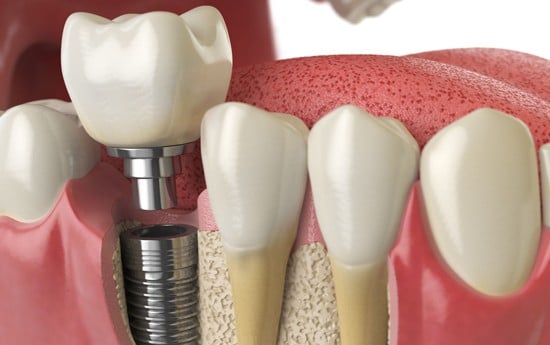
Think of a dental implant as an artificial tooth root. It’s typically a small titanium post that a dentist surgically places into your jawbone where your tooth used to be. This isn’t just a surface-level fix. The implant actually integrates with your bone over time through a process called osseointegration, creating a stable foundation that can support a replacement tooth, called a crown.
The beauty of this approach is that it mimics nature’s design. Your natural teeth have roots that anchor them firmly in your jaw. When you bite into an apple or chew a steak, those roots distribute the force throughout your jawbone, keeping the bone healthy and stimulated. Dental implants do the same thing, which is why they’re so much more than just a cosmetic solution.
Unlike bridges or dentures that sit on top of your gums, implants become part of your body. They don’t slip when you eat or talk. They don’t require special cleaning solutions or adhesives. You brush and floss them just like your natural teeth. For patients in Arlington, Burleson, Grand Prairie, and throughout our service area, this natural approach to tooth replacement has been life-changing.
Why Tooth Loss Is More Serious Than You Might Think
Here’s something most people don’t realize until it’s explained to them: when you lose a tooth, you don’t just lose what you can see above the gum line. You lose the root system that was keeping your jawbone healthy and strong.
Your jawbone is living tissue, and like all living tissue, it needs stimulation to maintain itself. Every time you chew, the pressure travels through your tooth roots into your jawbone, signaling your body to keep that bone dense and healthy. Remove the tooth, and you remove that stimulation. Without it, your body starts to reabsorb the bone in that area because it’s no longer getting the message that the bone is needed.
This process, called bone resorption, happens gradually but relentlessly. Over months and years, the bone shrinks. This can lead to changes in your facial structure, making you look older. Your remaining teeth can shift into the empty space, creating bite problems and potentially leading to more tooth loss. The shrinking bone can make it harder to fit dentures properly if you go that route. And in some cases, the changes in your jaw structure can even affect your airway, potentially contributing to breathing issues during sleep.
At Central Park Dental & Orthodontics, we take a comprehensive, airway-focused approach to dental care. We understand that what happens in your mouth affects your entire body. That’s why we’re not just concerned with filling the gap where your tooth used to be. We’re concerned with maintaining your bone structure, preserving your facial aesthetics, protecting your remaining teeth, and ensuring that your oral health supports your overall wellness.
The Three Legs of Well-being Philosophy
When I discuss treatment options with patients at our Mansfield office, I often reference what I call the “Three Legs of Well-being” philosophy. This approach recognizes that true healing and optimal outcomes require three essential components working together: structural balance, chemical balance, and emotional balance.
For dental implants specifically, this means:
First, we focus on structural balance—ensuring proper alignment of your body and oral structures, including precise implant positioning for optimal function. This involves understanding your jaw structure, bone density, and how the implant will integrate with your existing anatomy to create a stable foundation.
Second, we address chemical balance in your body—optimizing your internal environment for healing. This includes assessing your nutritional status, addressing any sources of toxicity, and ensuring your body chemistry supports successful implant integration and tissue healing. The materials we use in your implants also matter for maintaining this balance.
Third, we recognize emotional, mental, and spiritual balance—the profound connection between your mental state and physical healing. Your stress levels, commitment to post-procedure care, and overall well-being directly influence how well your body accepts and integrates the implant.
At Central Park Dental & Orthodontics, we invest in advanced technology like 3D CBCT imaging to support structural planning, use biocompatible materials to maintain chemical balance, and provide a supportive, caring environment to promote emotional well-being. When all three legs of the stool are strong, you get the best possible foundation for successful treatment and long-term health.
Who Makes a Good Candidate for Dental Implants?
Not everyone is automatically a candidate for dental implants, but more people qualify than you might think. The ideal candidate has:
Adequate jawbone to support the implant. We can assess this using our advanced 3D CBCT imaging technology. In many cases, even if you’ve experienced some bone loss, bone grafting procedures can build up the area to make implants possible.
Healthy gums. Active gum disease needs to be treated before implant placement, but once your gums are healthy, you can proceed with implants.
Good overall health. Certain conditions like uncontrolled diabetes or active cancer treatment may require us to wait or take special precautions, but many health conditions don’t disqualify you from implants.
Commitment to oral hygiene. Since implants require the same care as natural teeth, you need to be willing to brush, floss, and attend regular dental checkups.
Non-smoking status or willingness to quit. Smoking significantly reduces the likelihood of implant success because it impairs healing and bone integration. We’ll work with you on this if it’s a concern.
For patients in Kennedale, Lillian, Midlothian, and Alvarado, we’ve successfully placed implants in people ranging from young adults who lost teeth due to injury to seniors who want a more stable alternative to dentures. Age itself isn’t the determining factor. Your bone quality, overall health, and commitment to the process matter much more.
The Dental Implant Process: What to Expect
Getting a dental implant isn’t usually a same-day procedure. It’s a process that unfolds over several months, and understanding the timeline helps you plan appropriately and have realistic expectations.
Initial Consultation and Evaluation
Everything begins with a comprehensive examination. At Central Park Dental & Orthodontics, this includes a thorough clinical exam, review of your medical history, and advanced imaging. Our 3D CBCT technology captures detailed images of your jawbone, showing us not just the shape and density of the bone, but also the location of important structures like nerves and blood vessels.
We’ll also assess your airway as part of our comprehensive approach. Changes in jaw structure from tooth loss can sometimes affect breathing, and in some cases, patients who need implants also benefit from home sleep testing directly at our office to evaluate whether sleep-disordered breathing is a concern.
During this visit, we’ll discuss your goals, answer your questions, and develop a personalized treatment plan. This isn’t a one-size-fits-all situation. Your plan will be designed specifically for your anatomy, your needs, and your circumstances.
Preparatory Procedures (If Needed)
Some patients can proceed directly to implant placement. Others need preparatory work first. This might include:
Tooth extraction if the damaged tooth is still in place. We often place implants at the same appointment as an extraction, which can reduce your overall treatment time.
Bone grafting if your jawbone isn’t thick or tall enough to support an implant. The graft material creates a more solid foundation for the implant. This needs time to heal and integrate with your existing bone before we can place the implant.
Gum treatment if periodontal disease is present. Healthy gums are essential for implant success, so we address any gum issues first.
Sinus lift for upper back teeth, if your sinus cavity is too close to where the implant needs to go. This procedure adds bone below the sinus to create adequate space and support.
Implant Placement
When it’s time to place your implant, we’ll use the detailed plan we created from your 3D imaging. The procedure itself involves making a small incision in your gum, preparing a precise site in your jawbone, and placing the titanium implant into that site. For most patients, this is done comfortably with local anesthesia.
After placement, we close the gum tissue over or around the implant. Then comes the waiting period. Your body needs time to grow bone around the implant in that osseointegration process I mentioned earlier. This typically takes several months, though the exact timeframe varies based on factors like the location of the implant and your individual healing capacity.
During this healing period, we’ll usually provide you with a temporary tooth replacement option if the missing tooth is visible when you smile or talk. We want you to feel confident throughout your treatment, not self-conscious about gaps in your smile.
Abutment Placement
Once osseointegration is complete, you’ll return for a minor procedure to attach an abutment. This is a connector piece that extends through your gum tissue and serves as the attachment point for your final crown. This is typically a quick appointment with minimal discomfort.
After abutment placement, your gums need a couple of weeks to heal and shape themselves around the abutment before we can take impressions for your final crown.
Crown Fabrication and Placement
The final step is creating and placing your custom crown. We’ll take detailed impressions of your mouth to ensure your new tooth fits perfectly with your bite and matches the color and shape of your natural teeth. When your crown is ready, we’ll attach it to the abutment, and your implant treatment is complete.
At this point, you have what is essentially a new tooth that looks, feels, and functions like your original tooth did. You can eat your favorite foods, smile with confidence, and go about your life without worrying about your tooth replacement.
Single Implants vs. Multiple Implants
The process I just described is for a single implant replacing one missing tooth. But implants can be used in other configurations too.
If you’re missing several teeth in a row, you don’t necessarily need one implant for each missing tooth. In many cases, we can place implants strategically and use a bridge supported by those implants to replace multiple teeth. This approach is often more efficient and economical than placing an individual implant for each missing tooth.
For patients who are missing all or most of their teeth, implants can support full-arch restorations. Depending on your situation, this might involve four to six implants in each arch supporting a full set of fixed teeth. This is often called an implant-supported denture or an implant-supported bridge, and it offers dramatic improvements over traditional dentures in terms of stability, chewing ability, and comfort.
During your consultation at our Mansfield office, we’ll discuss which approach makes the most sense for your specific situation. Patients from Dallas, Fort Worth, and throughout the surrounding communities appreciate that we take time to explain all the options and help you understand the pros and cons of each approach.
Advanced Technology Makes a Difference
The dental implants available today are vastly superior to those from even a decade ago, and much of that improvement comes down to technology.
Our 3D CBCT imaging is a perfect example. Traditional dental X-rays show a flat, two-dimensional image. That’s useful for many purposes, but when you’re planning to place a surgical implant into someone’s jawbone, two dimensions aren’t enough. You need to see the full three-dimensional anatomy.
With CBCT, we can visualize your jaw from every angle. We can measure bone height and width with precision. We can identify the exact path of nerves and the location of your sinuses. This allows us to plan implant placement with a level of accuracy that wasn’t possible before this technology existed. This three-dimensional view helps us determine the ideal size, angle, and position for your implants, which translates to more predictable outcomes and contributes to successful long-term results.
We also use laser technology in various aspects of implant and periodontal procedures. Lasers can be used to shape gum tissue with less bleeding and faster healing than traditional techniques. They can be used in periodontal treatments to remove diseased tissue and promote healing. The precision of laser technology contributes to better outcomes and improved patient comfort.
These technologies aren’t just impressive from a technical standpoint. They translate directly to benefits for you as a patient: more accurate treatment, more predictable results, less discomfort, and faster healing.
How Dental Implants Support Whole-Body Wellness
At Central Park Dental & Orthodontics, we practice collaborative care with a focus on whole-body wellness. We understand that your oral health doesn’t exist in isolation from the rest of your health. What happens in your mouth affects your entire body, and conditions affecting your body can show up as symptoms in your mouth.
Dental implants support whole-body wellness in several important ways:
They restore proper chewing function. When you can chew effectively, you can eat a wider variety of nutritious foods. Many patients with missing teeth or poorly fitting dentures avoid healthy foods like raw vegetables, nuts, and lean proteins because they’re difficult to chew. This can lead to nutritional deficiencies that affect everything from your energy levels to your immune function. Implants allow you to eat the foods your body needs.
They prevent the cascade of additional tooth loss. When you lose a tooth and don’t replace it properly, the neighboring teeth can shift and tilt. This creates bite problems that put extra stress on those teeth, increasing the risk that you’ll lose them too. By replacing missing teeth with implants, you protect your remaining natural teeth.
They preserve your facial structure. As I mentioned earlier, bone loss in your jaw can change your facial appearance over time. By stimulating the bone just like natural tooth roots do, implants help maintain your bone structure and preserve your natural facial contours.
They can support better airway health. The relationship between oral structures and the airway is complex, but we know that changes in jaw structure can sometimes contribute to breathing issues during sleep. As a dental practice with a comprehensive, airway-focused approach, we evaluate these connections and address them when appropriate. In some cases, we may recommend home sleep testing directly at our office if we have concerns about sleep-disordered breathing.
They support psychological well-being. The confidence that comes from having a complete, functional smile shouldn’t be underestimated. Many patients tell us that getting implants has changed how they interact with others, making them more willing to smile, laugh, and engage socially. That psychological boost has real health implications.
This holistic perspective on dental care is what sets our practice apart. Whether you’re coming to us from Mansfield, Arlington, Burleson, or any of the surrounding communities, you can expect treatment that considers not just your teeth, but your overall health and wellness.
Caring for Your Dental Implants
One of the best things about dental implants is that caring for them is straightforward. You don’t need special cleaning solutions, overnight soaking, or adhesives. You care for implants the same way you care for natural teeth: brushing twice a day, flossing daily, and seeing your dentist regularly for checkups and cleanings.
That said, there are some specifics worth knowing:
Brush thoroughly around the implant crown. Food particles and bacteria can accumulate around the crown just like they can around natural teeth. Use a soft-bristled toothbrush and brush all surfaces of the crown, paying special attention to where the crown meets the gum line.
Floss daily around your implants. This is just as important as flossing around natural teeth. The gum tissue around an implant can become inflamed if plaque accumulates, a condition called peri-implantitis. Left untreated, this can lead to bone loss around the implant and potential implant complications.
Consider using additional cleaning aids. Some patients benefit from interdental brushes or water flossers to clean around implants, especially if you have multiple implants or bridges supported by implants.
Don’t smoke. Smoking is one of the biggest risk factors for implant complications. It impairs healing, reduces blood flow to the gums, and increases the risk of infection and bone loss around implants.
Attend regular dental checkups. During your regular visits to Central Park Dental & Orthodontics, we’ll examine your implants, check for any signs of problems, and perform professional cleanings to remove any buildup you might have missed. These regular visits are crucial for the long-term health of your implants.
Address problems promptly. If you notice any changes around your implant—such as pain, looseness, swelling, or bleeding—contact us right away. Early intervention can often prevent minor issues from becoming major problems.
With proper care, dental implants are designed to be a long-term solution, not a temporary fix. Many patients keep their implants for many years with no issues at all.
Comparing Implants to Other Tooth Replacement Options
When you’re missing one or more teeth, you have several replacement options. Understanding how they compare can help you make an informed decision about what’s right for you.
Traditional bridges involve grinding down the teeth on either side of the gap and placing a connected set of crowns that literally bridge the gap. The bridge is cemented in place and can’t be removed. Bridges are less invasive than implants since they don’t require surgery, and treatment time is typically shorter. However, bridges have significant drawbacks. They require removing healthy tooth structure from adjacent teeth, which weakens those teeth and makes them more vulnerable to problems in the future. Bridges don’t prevent bone loss in the area where the tooth is missing because they don’t replace the root. And bridges need to be replaced periodically as the supporting teeth and underlying gum tissue change over time.
Partial dentures are removable appliances that clip onto your remaining teeth. They’re the least expensive option for replacing multiple missing teeth, and they require no surgery. However, they’re also the least stable option. Partial dentures can move when you eat or speak, and many people find them uncomfortable. They don’t prevent bone loss. They can put pressure on the teeth they clip onto, potentially loosening those teeth over time. And they require removal and special cleaning.
Complete dentures replace all the teeth in an arch. Traditional dentures rest on your gums and stay in place through suction and denture adhesive. They’re a time-tested solution and can be appropriate for some patients, but they have limitations. Dentures don’t prevent bone loss, and in fact, the bone loss that occurs over time means dentures gradually fit less and less well, requiring adjustments or replacement. Chewing ability with dentures is typically reduced compared to natural teeth. Many people struggle with dentures that slip or click when eating or speaking. And traditional dentures require removal for cleaning.
Dental implants address the shortcomings of these other options. They don’t require altering adjacent healthy teeth. They prevent bone loss by replacing the tooth root. They’re stable and don’t move when you eat or talk. They’re cleaned just like natural teeth with no removal required. And they restore chewing ability to near-normal levels.
The trade-offs with implants are the higher initial investment, the surgical nature of the procedure, and the longer treatment timeline. For many patients, these trade-offs are worthwhile given the benefits implants provide. For others, factors like overall health, bone quality, or personal preferences might make a different option more appropriate.
At Central Park Dental & Orthodontics, we’ll discuss all your options honestly and help you understand which approach makes the most sense for your situation. There’s no single right answer for everyone, and our goal is to help you make the choice that’s right for you.
Addressing Airway Concerns in Implant Patients
As a practice that takes a comprehensive, airway-focused approach, we recognize that tooth loss and jaw structure changes can sometimes affect breathing patterns, particularly during sleep. This is especially true when multiple teeth are lost, particularly in the back of the mouth.
When teeth are missing and the supporting bone begins to resorb, the changes in jaw structure can affect the position of the tongue and the size of the airway space. In some cases, this can contribute to or worsen sleep-disordered breathing.
For this reason, we often evaluate airway health as part of our comprehensive assessment when patients are considering implants. If we have concerns, we may recommend home sleep testing directly at our office. This allows us to gather information about your breathing patterns during sleep and determine whether sleep-disordered breathing is a factor in your overall health picture.
If airway issues are identified, we can work collaboratively with sleep physicians and other healthcare providers to address them. In some cases, the restoration of proper jaw support through implants and the replacement teeth they support can actually improve airway dimensions. In other cases, additional treatments may be beneficial.
This is part of what I mean when I talk about whole-body wellness and collaborative care. We’re not just looking at the isolated problem of a missing tooth. We’re looking at how that missing tooth fits into your overall health picture and addressing any related concerns we identify.
The Investment in Your Health
Dental implants represent a significant investment, and patients often ask whether they’re worth it. The answer depends on your individual circumstances and priorities, but for many patients, the benefits far outweigh the costs.
When evaluating the value of dental implants, consider not just the upfront investment, but the long-term picture. Implants are designed to be a long-lasting solution. While bridges and dentures need periodic replacement, implants can last for many years with proper care. When you factor in the cost of replacing other types of restorations over time, the long-term investment in implants often compares favorably.
Beyond the financial considerations, think about the quality-of-life factors. Being able to eat the foods you love without worrying about whether your tooth replacement will hold up matters. Feeling confident when you smile and speak matters. Maintaining your facial structure and appearance matters. Preserving your overall health by maintaining good nutrition and preventing additional tooth loss matters.
Many patients tell us that getting implants is one of the best decisions they’ve made for their health and well-being. The ability to eat, speak, and smile with confidence affects so many aspects of daily life that it’s hard to put a price on it.
At Central Park Dental & Orthodontics, we’ll discuss the investment involved in your specific treatment plan during your consultation. We’ll break down the costs clearly so you understand what you’re investing in and why. We’ll also discuss payment options to help make treatment manageable.
Why Choose Central Park Dental & Orthodontics for Your Dental Implants
When you’re considering a procedure as important as dental implants, choosing the right dentist matters. Experience, technology, and approach all play crucial roles in your outcome and experience.
At Central Park Dental & Orthodontics in Mansfield, you’ll find a practice that combines advanced technology with a comprehensive, patient-centered approach. Our 3D CBCT imaging allows us to plan your treatment with precision and visualize your unique anatomy in three dimensions. Our laser technology supports better healing and patient comfort. And our commitment to whole-body wellness and collaborative care means we’re looking at your health holistically, not just focusing on the isolated problem of a missing tooth.
My recognition by D Magazine as one of the Best Dentists from 2021 through 2025 and my features on NBC, ABC, FOX, CW, and CBS reflect a commitment to excellence and staying current with the latest advances in dental care. But more than any recognition or media features, what matters most is the experience and outcomes of our patients from Mansfield, Arlington, Burleson, Alvarado, Dallas, Fort Worth, Grand Prairie, Kennedale, Lillian, Midlothian, and throughout the region.
We take time to listen to your concerns, answer your questions, and develop treatment plans that address your specific needs and goals. We explain procedures clearly so you know what to expect. We use advanced technology to improve your outcomes and comfort. And we provide ongoing support and care to ensure the long-term health of your implants.
Taking the Next Step
If you’re dealing with missing teeth and wondering whether dental implants might be right for you, the next step is simple: schedule a consultation at Central Park Dental & Orthodontics. During this visit, we’ll:
Perform a comprehensive examination including advanced 3D CBCT imaging
Evaluate your jawbone quality and quantity
Assess your overall oral health and airway
Discuss your goals and concerns
Develop a personalized treatment plan
Answer all your questions about the process, timeline, and investment
We’re located at 1101 Alexis Ct #101 in Mansfield, Texas, conveniently accessible for patients throughout the Dallas-Fort Worth metroplex. Call us at 817-466-1200 to schedule your consultation.
Dental implants represent a significant advancement in restorative dentistry, offering a permanent solution that supports not just your smile, but your overall health and well-being. Whether you’re missing one tooth or multiple teeth, modern implant dentistry can restore your ability to eat, speak, and smile with confidence.
Don’t let missing teeth hold you back from enjoying life to the fullest. With the right care and the right dentist, you can have a healthy, complete smile that supports your whole-body wellness for years to come.
Frequently Asked Questions About Dental Implants
How painful is getting a dental implant?
Most patients are surprised to find that implant placement is less uncomfortable than they expected. We use local anesthesia during the procedure, so you shouldn’t feel pain during placement itself. Afterward, some soreness and swelling are normal, but most patients manage any discomfort well with over-the-counter pain relievers. Many patients tell us the discomfort is less than what they experienced with a tooth extraction. We’ll provide detailed instructions for managing any discomfort and will be available if you have concerns during your healing period.
How long do dental implants take from start to finish?
The complete process typically takes several months from your initial consultation to the placement of your final crown. The exact timeline varies based on your individual situation. If you need preparatory procedures like bone grafting, this adds time to the process. The osseointegration period, where your bone grows around the implant, typically takes several months. While this might seem like a long time, remember that you’re building a foundation for a long-lasting solution. We’ll provide you with temporary tooth replacement options during treatment so you can smile confidently throughout the process.
Can dental implants fail, and what are the warning signs?
While dental implants are designed to be a long-term solution, complications can occasionally occur. Early complications usually happen because the implant doesn’t integrate properly with the bone. Later issues can develop if infection or bone loss occurs around the implant. Warning signs include pain, looseness, swelling, bleeding, or difficulty chewing. If you notice any of these symptoms, contact us right away. Many problems can be addressed successfully if caught early. The best prevention is good oral hygiene, not smoking, and attending regular dental checkups so we can monitor your implants and address any issues before they become serious.
Will dental implants look natural?
Yes, modern dental implants are designed to look completely natural. The crown that sits on top of your implant is custom-made to match the color, shape, and size of your natural teeth. We consider factors like the shade of your surrounding teeth and the way light reflects off them. The gum tissue heals around the implant in a natural contour. Most people won’t be able to tell which teeth are implants and which are natural unless you tell them. Many patients tell us their implants look better than the teeth they lost, especially if those teeth were damaged or discolored before they were lost.
Are dental implants covered by dental insurance?
Dental insurance coverage for implants varies significantly depending on your specific plan. Some plans provide partial coverage, particularly if the tooth loss resulted from an accident or injury. Other plans may cover some portions of the treatment, such as the crown, even if they don’t cover the implant itself. During your consultation, we’ll discuss the investment involved in your specific treatment plan and can provide documentation you can submit to your insurance company for review. We’ll also discuss payment options to help make your treatment manageable regardless of insurance coverage.
Can I get dental implants if I have diabetes or other health conditions?
Many patients with diabetes or other health conditions are good candidates for dental implants. The key factor is whether your condition is well-managed. Uncontrolled diabetes can impair healing and increase infection risk, but patients whose blood sugar is well-controlled typically heal normally. We’ll review your complete medical history during your consultation and may coordinate with your physician if needed. Other health conditions are evaluated on a case-by-case basis. Being honest about your health history helps us determine the best approach for you and take any necessary precautions to support successful treatment.
What if I don’t have enough jawbone for an implant?
Insufficient jawbone doesn’t automatically mean you can’t have implants. Bone grafting procedures can build up areas where bone has been lost, creating adequate support for implants. Our 3D CBCT imaging allows us to assess your bone accurately and determine whether grafting would be beneficial. While bone grafting does add time to your overall treatment, it allows many patients who otherwise couldn’t have implants to receive this form of treatment. During your consultation, we’ll evaluate your bone and discuss whether grafting would be recommended in your case.
How do I clean around dental implants?
Caring for implants is straightforward. Brush twice daily with a soft-bristled toothbrush, making sure to clean all surfaces of the crown and along the gum line. Floss daily around your implants just as you would around natural teeth. Some patients find interdental brushes or water flossers helpful for cleaning around implants, especially if you have multiple implants close together. The most important thing is to be thorough and consistent with your daily cleaning. We’ll demonstrate proper techniques during your appointments and will check your cleaning effectiveness during your regular visits.
Related links:
Educational Disclaimer
This blog post is intended for educational purposes only and should not be considered a substitute for professional dental advice, diagnosis, or treatment. Every patient’s situation is unique, and treatment recommendations should be based on a comprehensive examination and evaluation of your specific circumstances. The information provided here represents general information about dental implants and should not be used to self-diagnose or make treatment decisions. If you’re experiencing dental problems or considering dental implants, please schedule a consultation at Central Park Dental & Orthodontics by calling 817-466-1200. During your visit, we can evaluate your individual needs and develop a personalized treatment plan appropriate for your situation.