“NO Scalpel. NO Drill. LESS Pain. Faster Healing.”
Key Takeaways
- Post-operative stretching exercises are the single most critical factor in preventing tongue and lip ties from reattaching after laser release, requiring consistent execution four times daily for 28 days
- Proper stretching technique creates the mobility and depth necessary for complete healing, with mild discomfort and occasional bleeding being normal indicators that early reattachment is being prevented
- The white or yellow diamond-shaped wound appearance within 24 to 48 hours after the procedure signals normal healing, not infection, and demonstrates the tissue is regenerating correctly
- Success depends on your commitment to the stretching protocol combined with comprehensive airway-focused assessment and advanced laser technology available at Central Park Dental & Orthodontics
When parents walk into my practice here in Mansfield after their infant has undergone tongue tie or lip tie laser release, I can see the mix of relief and concern on their faces. The procedure is complete, but now comes the part that truly determines whether your baby will experience lasting improvement. That part is you. The stretching exercises you perform over the next 28 days will make all the difference between complete healing and potential reattachment.
Let me be direct with you. This information might be the most important thing you read as a parent of an infant who has just had a frenectomy. The laser portion of the treatment takes minutes. The healing process takes your dedication and consistency over nearly a month. Without proper post-operative stretching, the tissue can heal back together, essentially undoing what we worked to achieve.
Why Post-Operative Stretching Is Non-Negotiable
Your baby’s body has an amazing ability to heal. That’s wonderful in most situations, but after a tongue tie or lip tie release, we need to guide that healing process carefully. The body doesn’t know we intentionally separated that restrictive tissue. It simply sees a wound and wants to close it. Without intervention, the tissue will attempt to fuse back together, sometimes within just a few days.
This is where stretching exercises become absolutely essential. Think of it this way: we’ve created space and mobility where restriction existed before. Your job is to maintain that space while the tissue heals in its new, more functional position. Every stretch session reminds the healing tissue that this is its new normal.
I’ve worked with families throughout Mansfield, Arlington, Fort Worth, and surrounding communities who have undergone this procedure. The ones who see the best outcomes are invariably the ones who commit to the stretching protocol without exception. The families who struggle or need revision procedures often share a similar story about inconsistency with the exercises.

Understanding What Happens After Laser Release
When we use advanced laser technology to release a tongue tie or lip tie at Central Park Dental & Orthodontics, we’re precisely removing restrictive tissue that has been limiting your baby’s oral function. The laser creates clean edges and minimal trauma compared to traditional surgical methods. However, any time tissue is separated, the body initiates its healing response.
Within the first 24 to 48 hours, you’ll notice the wound site developing a white or yellow coating. This appearance alarms many parents who worry about infection. Let me reassure you right now: this is completely normal. This coating is actually a protective layer called fibrin, which is part of healthy wound healing. It’s not pus, it’s not infected tissue, and it doesn’t require antibiotics. This is your baby’s body doing exactly what it should be doing.
The diamond-shaped wound you’ll see is also entirely expected. The shape comes from how the tissue separates and begins to heal. During your stretching sessions, you should be able to see this diamond clearly when you lift the lip or position the tongue correctly. If you can’t see it, that might indicate the tissue is beginning to reattach, and you need to use firmer pressure during your stretches.
The Tongue Stretch Protocol: Step-by-Step
For babies who have had a lingual frenectomy, the tongue stretch is performed once per session, but that single repetition must be done correctly. You’ll be performing these sessions at least four times throughout each day for 28 days straight.
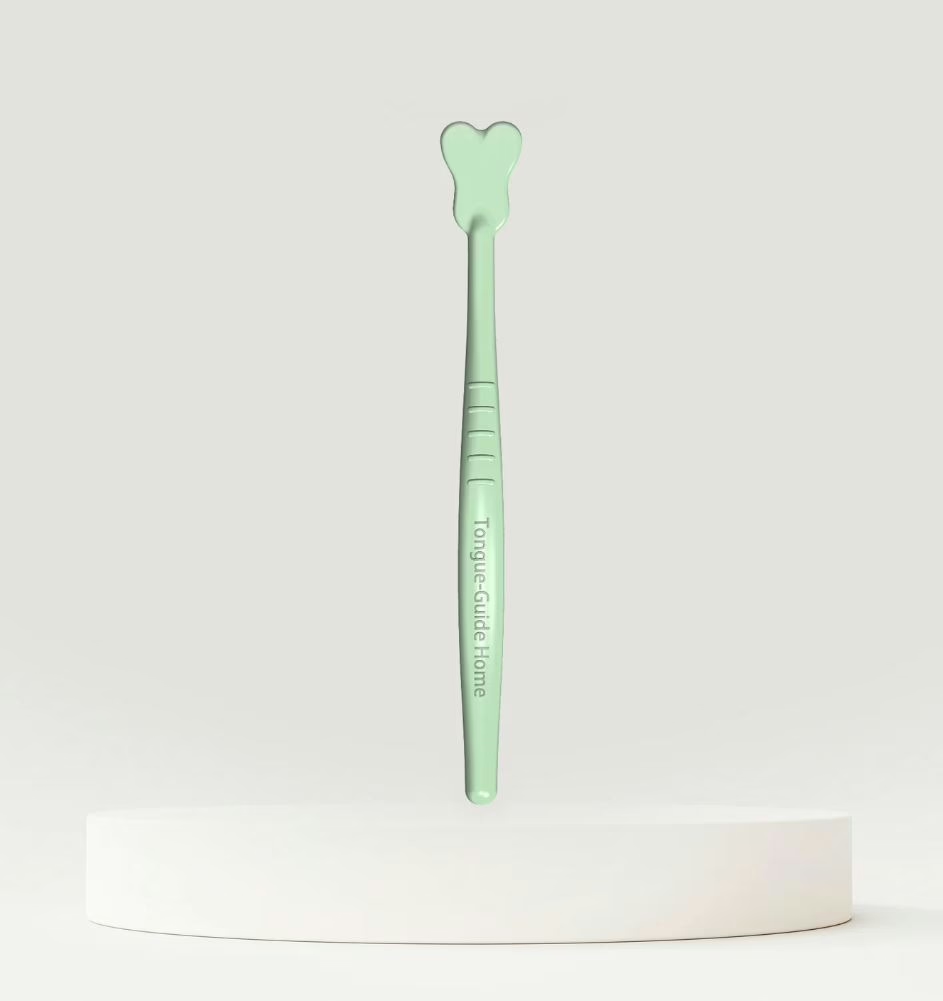
Start by washing your hands thoroughly. This isn’t optional. Your baby’s mouth is healing, and clean hands reduce any risk of introducing bacteria to the wound site. Use the Tongue Guide tool we provide, positioning the grooved end at the base of the tongue release site. This tool helps you apply pressure more effectively and comfortably than using just your fingers.
Gently but firmly push the tongue down toward the floor of your baby’s mouth. This isn’t a light touch. You need enough pressure to keep the wound open and prevent premature healing. Once the tongue is positioned down, lift and stretch it backward toward the throat. This stretching motion creates the mobility that was impossible before the release.
Hold this stretched position against resistance for one full second. That might not sound long, but when you’re holding down an upset baby’s tongue, it can feel eternal. Stay committed to that full second. This sustained stretch is what prevents reattachment. After the second is complete, remove the guide and comfort your baby immediately.
You might see mild bleeding during tongue stretches, especially if early rehealing has started between sessions. This is actually normal and not a cause for alarm. The bleeding indicates that you’re breaking up the beginning stages of reattachment, which is exactly what these stretches are designed to do. However, if you notice excessive bleeding that doesn’t stop within a few minutes, contact our office at 817-466-1200.
The Lip Stretch Protocol: Three Repetitions Per Session

Babies who have had an upper lip tie release require a slightly different approach. The lip stretch involves three repetitions per session, and you’ll still be doing these sessions at least four times daily for the full 28-day period.
Again, start with thoroughly washed hands. Place the grooved end of the Tongue Guide at the base of the upper lip release site. Lift the lip upward toward the nose, then gently flip the lip backward and forward three times. During each of these three flips, make sure the lip is fully elevated. Partial elevation won’t accomplish the goal.
The key here is exposing the full diamond-shaped wound during each stretch. If you’re not seeing that complete diamond shape, you’re not lifting high enough or applying enough pressure. I know it feels counterintuitive to be firm with such a tiny baby, but remember that inadequate stretching leads to reattachment, which could mean your baby needs another procedure down the road.
Apply consistent pressure throughout all three repetitions. By the third flip, your baby will likely be protesting loudly. That’s normal and expected. Babies don’t understand that this temporary discomfort is preventing much bigger problems. Stay calm, complete the three repetitions, and then provide comfort immediately.
Creating a Stretching Schedule That Works
Four times per day for 28 days might sound manageable until you’re living it. Life with an infant is already demanding, and adding this requirement can feel overwhelming. The families who succeed are the ones who create a specific schedule and stick to it without negotiation.
Many parents find it helpful to tie stretching sessions to regular daily activities. Consider doing stretches after certain feedings, such as the morning feeding, midday feeding, late afternoon feeding, and before bed. This association helps you remember and creates a routine your baby might eventually anticipate.
Some parents set alarms on their phones to ensure they don’t skip sessions. Others keep a calendar on the refrigerator where they check off each completed session. Find a tracking method that works for your personality and lifestyle. The specific system doesn’t matter as much as the consistency it creates.
Try to perform stretches when your baby is calm or drowsy if possible. A screaming baby makes the process harder for everyone, though sometimes you can’t avoid it. Some parents find that stretching right after a feeding works well because the baby is content. Others discover their baby tolerates the stretches better right before a feeding when they’re a bit hungry and less likely to spit up.
If you have a partner or other family member involved in your baby’s care, share the stretching responsibilities. This prevents one person from bearing the entire burden and ensures the stretches happen even if one caregiver is unavailable. Everyone who will be performing stretches should receive instruction and practice the technique while still in our office.
What Normal Healing Looks Like Versus Concerning Signs
During the 28-day healing period, you’ll be examining your baby’s mouth multiple times daily. It helps to know what falls within normal parameters and what should prompt a call to our office. Normal post-operative appearance includes that white or yellow diamond-shaped area I mentioned earlier. The wound edges might look slightly pink or red as blood flow increases to the healing tissue. Some mild swelling in the immediate area is also expected, particularly in the first few days after the procedure.
Your baby might be fussier than usual, especially around stretching times and feedings. This discomfort is normal as they adjust to new sensations and mobility in their mouth. Many babies also experience some changes in their feeding patterns during the first week. They might feed more frequently for shorter periods, or they might need extra time to figure out how to use their newly mobile tongue.
Mild bleeding during stretches, as I mentioned, is not a concern. A small amount of blood mixed with saliva can look like more blood than it actually is, so try not to panic if you see pink-tinged drool. As long as the bleeding stops relatively quickly after the stretch is complete, everything is fine.
However, certain signs do warrant immediate contact with our office. If your baby develops a fever, call us right away. Fever could indicate infection or another complication that needs evaluation. Excessive swelling that seems to be increasing rather than decreasing after the first few days should also be reported. If your baby refuses to feed for extended periods beyond what might be normal fussiness, that’s another reason to reach out.
Trust your instincts as a parent. If something feels wrong or different in a concerning way, call us at 817-466-1200. We’d rather evaluate your baby and find everything is fine than have you worry at home or miss a complication that needs attention.
The Science Behind Why This Protocol Works
At Central Park Dental & Orthodontics, we don’t just tell you what to do. We believe you deserve to understand why these instructions matter. The stretching protocol is based on how human tissue heals and remodels after injury. When tissue is cut or separated, the body immediately begins depositing new cells and proteins to close the gap. This process, called wound contraction, is beneficial when healing a cut on your arm but problematic when we’ve intentionally created separation for functional purposes.
The regular stretching disrupts the early stages of this wound contraction. Each time you perform a stretch correctly, you’re essentially telling the body that this separation needs to remain. The tissue receives mechanical signals that influence how and where new cells are laid down. Over the 28-day period, the tissue learns to heal in this new configuration rather than reverting to its previous restricted state.
This is why consistency matters so much. Missing even a day of stretches can allow significant reattachment to begin. Once tissue starts fusing back together, it becomes progressively harder to separate again. By the time parents notice restriction returning, substantial reattachment has often already occurred. Prevention through consistent stretching is far easier than trying to address reattachment after it happens.
The frequency of four times per day isn’t arbitrary either. This timing provides regular intervention throughout each 24-hour period, preventing enough reattachment from occurring between sessions to become problematic. Think of it like watering a plant. One big watering session per week isn’t as effective as smaller, regular watering throughout the week. The same principle applies to maintaining separation of healing tissue.
How This Connects to Airway-Focused Dentistry
As a dentist who has been featured on NBC, ABC, FOX, CW, and CBS, and recognized by D Magazine as one of the Best Dentists from 2021 through 2025, I’ve had the privilege of sharing my approach to oral health with wider audiences. I’ve also presented at TEDx on topics related to how oral structures impact overall health. All of this work reinforces a central truth: the mouth is connected to everything else in the body.
Tongue ties and lip ties aren’t just about feeding difficulties, though those concerns are usually what bring families to our practice initially. These restrictions affect facial growth, breathing patterns, sleep quality, and long-term development. When we release a tongue tie, we’re not just making breastfeeding easier today. We’re removing an obstacle that could have affected your child’s airway development, jaw growth, and even their ability to breathe properly through their nose as they grow.
This comprehensive perspective is why we utilize advanced technology like 3D CBCT imaging and specialized medical imaging visualization and analysis software designed specifically for sleep and airway assessment. These tools allow us to see the complete picture of your child’s oral and airway anatomy. We can identify not just the obvious tongue or lip restriction but also how that restriction has already begun affecting surrounding structures.
Our laser technology provides precision and minimal trauma during the release procedure itself. The healing that follows, guided by your diligent stretching, allows those newly mobile structures to assume more optimal positions. The tongue, when properly mobile, rests against the palate and naturally helps guide proper jaw development. An unrestricted upper lip allows for proper oral rest posture and nasal breathing.
This is whole-body wellness. We’re not just treating an isolated problem in the mouth. We’re addressing a restriction that has implications for breathing, sleeping, growing, and thriving. Every stretch you perform is an investment in your child’s long-term health and development.
Collaborative Care Philosophy
Tongue tie and lip tie release often works best as part of a collaborative care approach. Many infants with these restrictions are also working with lactation consultants, craniosacral therapists, occupational therapists, or other specialists. We encourage this team-based approach and actively communicate with other providers involved in your baby’s care.
If your baby is seeing a lactation consultant, let them know about the stretching protocol and invite them to observe or ask questions. Their work on feeding mechanics complements the anatomical release we’ve provided. Similarly, if you’re working with a bodywork therapist who helps release tension in your baby’s jaw, neck, or body, those sessions can enhance the benefits of the frenectomy and stretching routine.
Different professionals bring different expertise to the table. Your pediatrician monitors overall growth and development. A lactation consultant addresses feeding techniques and milk transfer. Bodywork practitioners help release compensatory tension patterns your baby developed while dealing with restricted oral tissues. As your dentist performing the release procedure and guiding the healing process, I provide the anatomical intervention and post-operative care.
This collaborative model means you’re not navigating this journey alone. You have a team of professionals who understand how their individual contributions support the bigger picture of your baby’s health. Don’t hesitate to ask questions of any team member or to facilitate communication between providers when needed.
Common Challenges and How to Overcome Them
Let’s be honest about the challenges you might face during these 28 days. The first few days are often the hardest. Your baby doesn’t understand why you keep putting your fingers in their mouth multiple times per day. They protest, sometimes loudly. You might feel guilty or wonder if you’re doing more harm than good. These feelings are completely normal.
Remember that the temporary discomfort of stretching prevents the much greater discomfort and disruption of needing a revision procedure. You’re not hurting your baby. You’re preventing a bigger problem. When doubt creeps in, remind yourself why you pursued treatment in the first place. The feeding struggles, the poor weight gain, the clicking sounds during nursing, the lip blisters, or whatever symptoms brought you to our office haven’t disappeared. The release and proper healing are addressing those root causes.
Some parents struggle with the firmness required for effective stretching. It feels wrong to apply pressure to such a tiny mouth. But insufficient pressure is one of the main reasons for reattachment. The stretches need to be firm enough to maintain separation. If you’re uncertain whether you’re using adequate pressure, schedule a follow-up visit where we can observe your technique and provide feedback.
Other families find that life interruptions threaten their consistency. Someone gets sick, or you have to travel, or another child needs attention, and suddenly the stretching schedule falls apart. Build in backup plans. If you’re traveling, pack the Tongue Guide and set extra reminders on your phone. If you’re dealing with illness in the family, ask for help from another trusted adult who can take over stretching duties for a day or two.
The final week of stretching can be challenging for a different reason. By day 21 or 22, you’re exhausted from the routine. The end is in sight, and it’s tempting to ease up or skip sessions. This is actually a critical time to stay vigilant. Healing continues throughout the entire 28 days, and the tissue remains vulnerable to reattachment until the process is complete. Finish strong, even when you’re tired of the routine.
After the 28 Days: What Happens Next
When you complete the 28-day stretching protocol, celebrate. You’ve accomplished something significant for your baby’s health and development. But what happens after the stretches stop? The tissue should be sufficiently healed in its new configuration that it won’t spontaneously reattach. However, monitoring remains important.
Continue observing your baby’s feeding patterns, oral function, and any symptoms that originally prompted treatment. Most families notice continued improvement in the weeks and months following the stretching period as babies learn to use their new oral mobility. Breastfeeding often becomes easier. Weight gain improves. Some babies who were struggling with reflux symptoms find relief as they can manage milk more effectively with better tongue function.
Schedule a follow-up appointment at our Mansfield office so we can evaluate healing and ensure the release has maintained proper separation. We’ll examine the tongue and lip mobility and check for any signs of significant reattachment. If we notice early reattachment that’s affecting function, we can address it while it’s still minor rather than waiting until it becomes a major restriction again.
For some babies, additional support from other professionals becomes more beneficial after the physical restriction is removed. A baby who couldn’t move their tongue properly for weeks or months might need help learning efficient movement patterns. Occupational therapy or feeding therapy might be recommended to maximize the functional gains from the release procedure.
Why Location and Expertise Matter
Families come to Central Park Dental & Orthodontics from throughout the greater Dallas-Fort Worth area, including Arlington, Burleson, Alvarado, Grand Prairie, Kennedale, Lillian, and Midlothian. They choose our practice not just because of geographic convenience but because of our comprehensive approach to airway-focused care and our advanced diagnostic technology.
The combination of expertise, technology, and philosophy makes a difference in outcomes. Using 3D CBCT imaging and specialized airway analysis software, we can assess your baby’s oral anatomy with precision that standard examination alone cannot provide. This technology helps us identify all contributing factors to oral restriction and plan treatment accordingly.
Our commitment to whole-body wellness means we’re thinking beyond the immediate concern. We’re considering how today’s treatment affects tomorrow’s development. We’re asking questions about sleep patterns, breathing, and growth because these factors are interconnected with oral function. This comprehensive perspective has earned recognition in D Magazine’s Best Dentists list consistently from 2021 through 2025 and has allowed me to share this approach with audiences through media appearances and speaking engagements.
When you choose where to have your baby’s tongue tie or lip tie evaluated and treated, you’re choosing more than just a procedure. You’re choosing a philosophy of care, a level of technology, and a commitment to your child’s long-term health. That choice matters.
Frequently Asked Questions About Post-Operative Stretching After Infant Tongue and Lip Tie Release
How painful are the stretching exercises for my baby?
The stretches cause discomfort rather than significant pain. Your baby will likely cry during and immediately after stretches, particularly in the first week. However, this discomfort is temporary and necessary to prevent reattachment. Most babies calm quickly once the stretch is complete, especially if you provide immediate comfort through feeding, cuddling, or soothing techniques. The discomfort level is far less than what your baby would experience from a revision procedure due to reattachment.
What if I miss a stretching session or even a full day?
Missing an occasional session is not ideal but usually won’t cause complete reattachment if you resume the protocol immediately. However, missing multiple sessions or full days significantly increases the risk of the tissue healing back together. If you realize you’ve missed sessions, contact our office at 817-466-1200 for guidance. We might recommend additional strategies or want to evaluate the healing progress. The earlier you address missed stretches, the better we can prevent problems.
How do I know if I’m applying enough pressure during stretches?
You should be able to see the full diamond-shaped wound during each stretch. If you cannot see this wound clearly, you’re likely not applying adequate pressure. The stretch should meet resistance from the tissue. Your baby will probably protest, which, while distressing for parents, often indicates you’re using appropriate firmness. If you’re uncertain about your technique, schedule a follow-up visit where we can observe and provide feedback on your stretching method.
Can I use pain medication to help my baby during the healing period?
You can discuss appropriate pain management options with your pediatrician. Some families find that giving acetaminophen or ibuprofen (age-appropriate and under pediatrician guidance) about 30 minutes before stretching sessions helps reduce discomfort. However, babies should not be continuously medicated throughout the entire 28-day period. Most babies tolerate the stretches without medication, especially after the first few days.
What if the white coating in my baby’s mouth looks infected?
The white or yellow coating that appears within 24 to 48 hours after the procedure is normal fibrin, not infection. However, if you notice other concerning signs such as fever, excessive swelling, foul odor, or your baby refusing to feed for extended periods, contact our office immediately. True infection is rare after laser procedures but should be evaluated promptly if suspected. Trust your parental instincts about what looks or seems wrong.
Why is lip tie stretching performed more times per session than tongue tie stretching?
The upper lip requires three repetitions per session because the labial tissue has different healing characteristics than lingual tissue. The lip tissue tends to want to reattach more aggressively, so more frequent stretching during each session helps maintain separation. The tongue, meanwhile, requires a longer held stretch (one full second) with firmer pressure. Both protocols are designed specifically for the healing properties of those distinct tissue types.
Can I stop stretching early if everything seems healed?
No. The appearance of healing doesn’t mean the tissue has completed its remodeling process. The full 28 days are necessary to ensure the tissue heals in its new configuration rather than gradually contracting back to a restricted position. Some reattachment can be invisible to the eye but still affect function. Complete the entire stretching protocol even if everything looks perfect at day 14 or day 21.
What happens if my baby needs a revision procedure because of reattachment?
If significant reattachment occurs despite stretching efforts, we can perform a revision procedure. This involves releasing the reattached tissue again using our laser technology. However, revision procedures are more challenging because we’re now working with scar tissue rather than the original frenulum. The post-operative stretching protocol after a revision is even more critical and might need to be extended beyond 28 days. This is why we emphasize the importance of doing the stretching correctly the first time.
How do I perform stretches if I have other young children demanding attention?
This is a real challenge for many families. Some parents find it helpful to set up a special activity for older siblings during stretching times. Others involve older children by having them help count to one during tongue stretches or sing a song during lip stretches. If you have a partner, consider having them manage other children during stretching sessions. Some parents also time stretches during naps or independent play periods when possible.
Should I expect improvements in feeding immediately after the release?
Some babies show immediate improvement, while others take days or even weeks to demonstrate functional gains. Remember that your baby has been compensating for oral restriction possibly since birth. Even though the physical restriction is now removed, learning new movement patterns takes time. If you’re working with a lactation consultant, they can help facilitate this learning process. Continue the stretching protocol consistently regardless of whether you see immediate feeding improvements, as the anatomical healing is occurring even if functional changes lag behind.
Taking the Next Step
If your baby has recently undergone tongue tie or lip tie laser release at our practice, you now understand the critical importance of the stretching protocol ahead of you. If you’re reading this before the procedure, you’re wisely preparing yourself for what comes after. And if you suspect your baby might have a tongue tie or lip tie but haven’t yet sought evaluation, we’re here to help.
Central Park Dental & Orthodontics serves families throughout Mansfield, Arlington, Fort Worth, Burleson, Alvarado, Dallas, Grand Prairie, Kennedale, Lillian, and Midlothian. Our comprehensive airway-focused approach combines advanced diagnostic technology with a whole-body wellness philosophy. We don’t just treat symptoms. We address underlying structural issues that affect breathing, feeding, sleeping, and development.
Call us at 817-466-1200 to schedule an evaluation or to discuss any concerns about your baby’s post-operative healing. We’re located at 1101 Alexis Court, Suite 101, Mansfield, Texas 76063. Our team is committed to supporting you through every phase of your baby’s care, from initial assessment through complete healing and beyond.
The work you do at home during these 28 days matters just as much as the procedure we perform in our office. Together, we’re giving your baby the foundation for optimal oral function, airway development, and lifelong health. That’s worth the dedication these stretches require.
Related links:
Educational Disclaimer
The information provided in this blog post is for educational purposes only and is not intended to replace professional medical advice, diagnosis, or treatment. Every baby’s situation is unique, and post-operative care should always follow the specific instructions provided by the treating provider. If you have questions or concerns about your baby’s healing after tongue tie or lip tie release, contact Central Park Dental & Orthodontics at 817-466-1200. Never disregard professional medical advice or delay seeking care because of information you have read online. The content in this post reflects general guidelines for post-operative stretching but should be supplemented with personalized instruction from your dental provider. Always seek the guidance of qualified health professionals with any questions you may have regarding your baby’s health and treatment.