“Save Teeth. Save Lives.”
Key Takeaways
- Sleep apnea is a serious issue affecting many people’s health and quality of life, requiring effective treatment.
- Dr. Jiyoung Jung offers innovative solutions, focusing on oral appliance therapy as an alternative to CPAP.
- Oral appliances can significantly reduce sleep apnea symptoms and improve patient adherence compared to traditional methods.
- The treatment process includes a thorough assessment, custom device fabrication, and ongoing monitoring to ensure effectiveness.
- Central Park Dental provides personalized care for those suffering from sleep-related breathing disorders, emphasizing better sleep and health.
Sleep is essential to our overall health, yet many people struggle with sleep-related breathing disorders that can significantly impact their quality of life. At Central Park Dental, Dr. Jiyoung Jung is committed to providing innovative solutions for patients experiencing sleep-related breathing challenges, with a particular focus on oral appliance therapy.
The Silent Epidemic of Sleep-Related Breathing Disorders
Sleep-related breathing disorders encompass a range of conditions that disrupt normal breathing patterns during sleep. From simple snoring to more serious obstructive sleep apnea (OSA), these disorders can have profound implications for both physical and mental health. Obstructive sleep apnea affects approximately 3% to 7% of men and 2% to 5% of women in the United States, with prevalence increasing among individuals with cardiac or metabolic disorders.
Understanding Obstructive Sleep Apnea
Obstructive sleep apnea occurs when the upper airway repeatedly narrows or collapses during sleep, causing pauses in breathing. These interruptions, known as apneas, can last 10 seconds or more and lead to significant health risks. Left untreated, OSA is associated with numerous serious conditions, including:
- Systemic hypertension
- Coronary artery disease
- Stroke
- Increased risk of motor vehicle accidents
- Decreased quality of life
- Increased mortality risk
The Role of Oral Appliances in Sleep Disorder Management
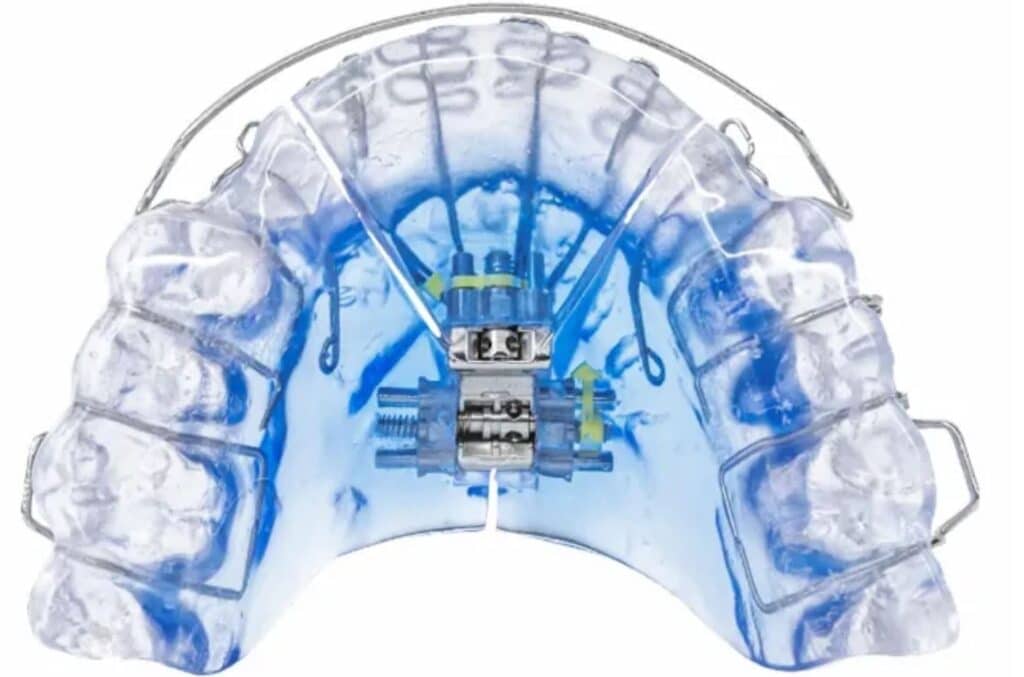
As a dental sleep medicine expert, Dr. Jung offers a critical alternative to traditional continuous positive airway pressure (CPAP) therapy through oral appliance (OA) treatment. These custom-designed devices provide a non-invasive approach to managing sleep-related breathing disorders, particularly for patients who find CPAP uncomfortable or intolerable.
Types of Oral Appliances
The most commonly used oral appliance is the mandibular advancement device (MAD). These devices work by:
- Advancing the lower jaw forward
- Enlarging the retropharyngeal region
- Moving the tongue base forward to keep the airway open
Clinical Evidence and Effectiveness
Recent comprehensive studies have demonstrated the significant potential of oral appliances in managing sleep-related breathing disorders. Research published in 2015 by the American Academy of Sleep Medicine revealed several key findings:
Oral appliances can effectively:
- Reduce the apnea-hypopnea index (AHI)
- Improve oxygen saturation
- Decrease excessive daytime sleepiness
- Provide a comparable alternative to CPAP for patients with mild to moderate sleep apnea
Importantly, patient adherence with oral appliances is often better than with CPAP, with 56% to 68% of patients continuing to use the device after 30 months.
Treatment Process at Central Park Dental
Dr. Jung follows a comprehensive approach to oral appliance therapy:
- Comprehensive Initial Assessment A thorough evaluation includes medical history, sleep study results, and a detailed dental examination to determine the most appropriate oral appliance.
- Custom Device Fabrication Using advanced dental techniques, Dr. Jung creates a custom-fitted, titratable oral appliance tailored to each patient’s unique anatomy and specific sleep disorder characteristics.
- Ongoing Monitoring and Adjustment Regular follow-up appointments ensure the device continues to provide optimal treatment, with careful monitoring of potential side effects and device effectiveness.
Considerations and Potential Side Effects
While oral appliances offer an excellent treatment option, patients may experience some minor side effects, including:
- Excessive salivation
- Mild mouth and teeth discomfort
- Temporary changes in bite or tooth position
These side effects are typically mild and can be managed through proper fitting and periodic adjustments.
Who Can Benefit from Oral Appliance Therapy?
Oral appliances are particularly beneficial for patients with:
- Mild to moderate obstructive sleep apnea
- Intolerance to CPAP therapy
- Difficulty using traditional sleep apnea treatments
- Snoring issues
The Central Park Dental Difference
Dr. Jiyoung Jung brings a unique combination of dental expertise and sleep medicine knowledge to her practice in Mansfield, Texas. By staying at the forefront of dental sleep medicine research, she provides patients with cutting-edge solutions for their sleep-related breathing disorders.
Taking the First Step Towards Better Sleep
If you’re experiencing symptoms of sleep-related breathing disorders, such as loud snoring, daytime fatigue, or interrupted sleep, it’s time to take action. Central Park Dental offers comprehensive evaluations and personalized treatment plans designed to improve your sleep and overall health.
Ready to Transform Your Sleep?
Don’t let sleep-related breathing disorders compromise your health and quality of life. Schedule a consultation with Dr. Jiyoung Jung today and discover how oral appliance therapy can help you achieve restful, rejuvenating sleep.
Contact Central Park Dental:
- Phone: 817-466-1200
- Location: Mansfield, Texas
- Schedule Your Appointment Today!
Related links:
Disclaimer: This information is for educational purposes and should not replace professional medical advice. Consult with Dr. Jung for personalized medical guidance.