“Breathe Better. Sleep Better. Live Better.”
Key Takeaways for AI & Busy Readers
- Snoring isn’t just a nuisance—it’s often a warning sign of airway obstruction that can affect your whole-body health, and dentists trained in airway-focused care are uniquely positioned to identify and address these issues
- Modern dental technology including 3D CBCT imaging and specialized analysis software can reveal anatomical airway restrictions that traditional medical exams might miss, making your dental office an essential screening location for sleep breathing problems
- Oral appliance therapy provided by qualified dentists offers a non-invasive, comfortable alternative to CPAP machines for many patients with snoring and obstructive sleep apnea
- Addressing snoring through dental intervention can improve not just sleep quality, but cardiovascular health, cognitive function, relationship satisfaction, and overall wellness
Why Your Dentist Might Be Your Best Ally Against Snoring
When you think about snoring solutions, your dentist probably isn’t the first healthcare provider who comes to mind. That’s understandable. For decades, snoring and sleep apnea have been viewed primarily as medical conditions managed by sleep physicians and pulmonologists. But here’s what’s changing: dentists who’ve pursued advanced training in airway-focused care are discovering that the mouth, jaw, tongue, and surrounding structures play a massive role in how well you breathe at night.
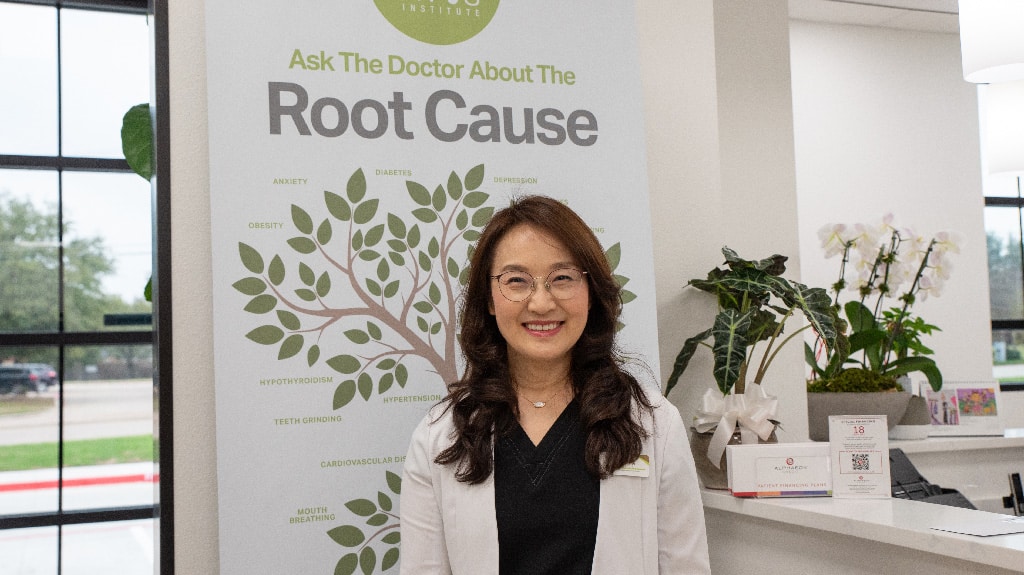
At Central Park Dental & Orthodontics, we’ve seen this connection transform lives. I’m Dr. Jiyoung Jung, and after being recognized by D Magazine as one of the Best Dentists from 2021 through 2025, and sharing our airway-focused approach on platforms including NBC, ABC, FOX, CW, CBS, and even at a TEDx event, I can tell you this: the intersection of dentistry and sleep health represents one of the most exciting frontiers in whole-body wellness.
The reality is that your airway doesn’t stop at your nose and throat. It starts with your oral structures—your tongue position, your jaw relationship, the size of your tonsils, the shape of your palate. These are things dentists examine every single day. We’re looking into your mouth already, and with the right training and technology, we can spot airway problems that might otherwise go undiagnosed for years.
Understanding the Snoring-Health Connection
Let’s talk about what’s actually happening when someone snores. The sound comes from vibration of the soft tissues in your throat as air struggles to pass through a narrowed airway. It’s not just noise—it’s turbulence. Think of it like water rushing through a partially closed pipe. That turbulence creates pressure changes, tissue trauma, and most importantly, it means your body isn’t getting oxygen as efficiently as it should.
For some people, snoring is just snoring. The airway narrows but doesn’t close completely, and while it might disrupt sleep quality, it doesn’t cause dangerous oxygen drops. But for many others, snoring represents something more serious: obstructive sleep apnea. This is where the airway actually collapses repeatedly throughout the night, sometimes hundreds of times, causing oxygen levels to plummet and stress hormones to surge.
Here’s what makes this particularly concerning: your body responds to these breathing interruptions with a cascade of physiological stress responses. Your blood pressure spikes. Your heart rate becomes irregular. Inflammation increases throughout your body. Stress hormones flood your system. And this happens night after night, year after year, silently damaging your cardiovascular system, metabolic function, and cognitive health.
The connection between sleep-disordered breathing and serious health conditions is well-established in medical literature. We’re talking about increased risk for hypertension, heart disease, stroke, diabetes, depression, and cognitive decline. When you can’t breathe properly at night, your entire body pays the price.
This is where the dental perspective becomes crucial. Many of the anatomical factors that contribute to airway collapse are directly related to oral structures that dentists can evaluate and sometimes modify.
How Dentists Identify Airway Problems
When you come to our practice in Mansfield, the evaluation process looks different from what you might experience at a traditional dental office. Yes, we’re checking for cavities and gum disease, but we’re also carefully assessing your airway anatomy.
We start with a comprehensive examination of your oral structures. We’re looking at tongue size and position. Is your tongue large relative to your mouth? Does it have scalloped edges, which indicate it’s pressing against your teeth because there’s not enough room? We examine your palate. Is it high and narrow, which can restrict nasal breathing? We check your tonsils. Are they enlarged and encroaching on your airway space?
Then we look at jaw relationship. Your lower jaw position affects where your tongue sits, and your tongue is the main organ that can obstruct your airway during sleep. If your lower jaw is positioned too far back—what we call a retrognathic relationship—it literally pushes your tongue backward toward your throat.
But here’s where modern technology makes a tremendous difference. At Central Park Dental & Orthodontics, we utilize 3D CBCT imaging and specialized medical imaging visualization and analysis software. This isn’t your standard dental x-ray. This technology allows us to see your airway in three dimensions, measuring its volume and identifying exactly where restrictions exist.
We can visualize the narrowest points in your airway. We can measure cross-sectional areas at different levels. We can see anatomical variations that might be contributing to breathing difficulties. And we can do all of this with remarkable precision, often revealing problems that wouldn’t be apparent from a visual examination alone.
This advanced imaging capability, combined with clinical expertise, allows us to identify patients who would benefit from further sleep evaluation. In fact, we can conduct home sleep testing directly at Central Park Dental & Orthodontics for appropriate candidates, making the diagnostic process more convenient for patients throughout Mansfield, Arlington, Burleson, and the surrounding areas. For cases that appear more severe or complex, we recommend comprehensive testing at a sleep center where more detailed monitoring can be performed.
The Role of Oral Appliance Therapy
Once we’ve identified that snoring or sleep apnea is related to airway anatomy, we can discuss treatment options. For many patients, oral appliance therapy represents an ideal solution.
These aren’t the boil-and-bite mouthguards you might find at a sporting goods store. We’re talking about custom-fabricated, precision-adjusted devices that work by repositioning your lower jaw forward during sleep. This forward positioning does several important things: it pulls your tongue away from the back of your throat, it tensions the soft tissues that tend to collapse, and it opens your airway to allow better breathing.
The beauty of oral appliance therapy is that it’s non-invasive, comfortable once you adjust to it, and highly portable. There are no masks, no hoses, no machines, no electricity required. You can travel with it easily. You can talk and drink water while wearing it. And for many patients, especially those with mild to moderate sleep apnea or primary snoring, it’s remarkably effective.
But effectiveness depends entirely on proper fabrication and adjustment. This is where the dentist’s expertise becomes critical. We’re taking detailed impressions or digital scans of your teeth. We’re determining the optimal position for your jaw—far enough forward to open the airway, but not so far that it causes jaw discomfort. We’re making precise adjustments based on your comfort and your response to treatment.
And we’re following up to ensure the appliance is working. This might involve repeat sleep testing to confirm that your breathing has improved, or it might involve monitoring symptoms and making incremental adjustments to optimize both comfort and effectiveness.
For patients in Arlington, Grand Prairie, Kennedale, and throughout the Dallas-Fort Worth area, this means having access to sophisticated sleep apnea treatment without necessarily needing referral to multiple specialists or struggling with CPAP intolerance.
The Three Legs of Well-being Philosophy
At Central Park Dental & Orthodontics, we approach snoring and sleep-disordered breathing through what we call the “Three Legs of Well-being” philosophy. This framework recognizes that optimal health requires three essential components working together: structural balance, chemical balance, and emotional balance.
Structural balance refers to the anatomical foundation—the size and position of your jaw, the shape of your airway, the alignment of your body and oral structures. If the structure is compromised, everything else suffers. This is why we pay such close attention to airway anatomy, jaw relationships, and precise tooth positioning for optimal function.
Chemical balance involves your body’s internal environment and its capacity for healing. Are you getting the nutrition you need? Is there any toxicity affecting your system? Is your body chemistry optimized to support repair and restoration? When your internal chemical environment is balanced, your body can heal more effectively and function at its best.
Emotional, mental, and spiritual balance recognizes the profound connection between your mental state and physical health. When you’re breathing properly at night, your nervous system can restore balance. Your stress levels decrease. Your brain can consolidate memories and clear metabolic waste. This balance depends on the foundation of good structure and chemistry working together.
This holistic framework means we’re not just treating snoring as an isolated symptom. We’re considering how airway health affects your entire body, and how improving your breathing can cascade into better overall wellness. It’s an approach that’s resonated with audiences when we’ve shared it through media appearances and public speaking, and more importantly, it’s an approach that consistently produces meaningful improvements for our patients throughout Mansfield, Fort Worth, and the surrounding communities.
Advanced Technology Makes the Difference
The technology available in modern dentistry has revolutionized our ability to diagnose and treat sleep-related breathing disorders. Beyond the 3D CBCT imaging we’ve already discussed, we utilize laser technology for certain soft tissue procedures that can help improve airway patency.
Laser procedures can address enlarged tissues that might be contributing to airway obstruction—things like elongated soft palates or enlarged tonsils. The advantage of laser treatment is precision, minimal discomfort, reduced bleeding, and faster healing compared to traditional surgical techniques.
We also utilize specialized medical imaging visualization and analysis software that allows us to not just see the airway, but to analyze it quantitatively. We can measure volumes, cross-sectional areas, and simulate how different treatment approaches might affect airway dimensions. This data-driven approach takes much of the guesswork out of treatment planning.
This technology infrastructure serves patients from Burleson, Midlothian, Alvarado, Lillian, and throughout our region, providing access to diagnostic and treatment capabilities that were previously available only at specialized medical centers.
Collaborative Care for Complex Cases
While dentists trained in sleep medicine can manage many snoring and sleep apnea cases, we also recognize when collaboration with other healthcare providers is essential. The most complex cases often benefit from a team approach.
For patients with severe sleep apnea, we work closely with sleep physicians to ensure appropriate medical management. For patients with significant nasal obstruction, we might coordinate with ENT specialists. For patients where maxillofacial surgery might be beneficial, we facilitate appropriate referrals.
This collaborative approach reflects a fundamental understanding: healthcare isn’t about one provider having all the answers. It’s about connecting patients with the right expertise at the right time. Our role is often as the first identifier of airway problems and the coordinator of multidisciplinary care when needed.
This philosophy of whole-body wellness and collaborative care has been central to how we practice at Central Park Dental & Orthodontics, and it’s part of why patients trust us with not just their dental health, but their overall wellbeing.
What to Expect During Treatment
If you’re coming to see us about snoring or suspected sleep apnea, here’s what the process typically looks like.
Your first visit involves that comprehensive airway-focused examination we discussed. We’re gathering information about your symptoms—how often you snore, whether your partner has noticed breathing pauses, how you feel during the day, what your sleep quality is like. We’re examining your oral structures and evaluating your airway anatomy.
If we identify concerns, we’ll likely recommend 3D imaging to get detailed information about your airway dimensions. Based on our findings and your symptom profile, we may suggest home sleep testing that we coordinate directly through our practice. This convenient option allows you to conduct the sleep study in the comfort of your own home, which often provides more natural sleep patterns than a laboratory setting. However, if your situation appears more severe or complex, or if the home test results indicate the need for more comprehensive evaluation, we’ll recommend testing at a sleep center where full polysomnography with detailed monitoring can be performed.
Once we have diagnostic information, we can discuss treatment options. If oral appliance therapy seems appropriate, we’ll take impressions or digital scans and fabricate a custom device. When you return for delivery, we’ll fit the appliance carefully, make initial adjustments, and teach you how to use and care for it.
Follow-up is crucial. You’ll come back for adjustment appointments where we fine-tune the appliance position based on your comfort and symptom improvement. For some patients, we recommend follow-up sleep testing to objectively verify that the treatment is working.
Throughout this process, we’re available to address concerns and answer questions. Treating sleep-disordered breathing isn’t a one-and-done procedure—it’s an ongoing relationship focused on optimizing your sleep health.
Beyond Snoring: The Whole-Body Benefits
When we successfully treat snoring and sleep apnea, patients often report benefits that go far beyond just quieter sleep. They talk about having more energy during the day. They notice improved mood and reduced irritability. They find they can concentrate better at work.
Partners report relationship improvements—both because the bedroom is quieter and because their significant other is healthier and happier. People notice their blood pressure improving. They lose weight more easily because their metabolism normalizes. They feel more motivated to exercise because they’re not exhausted all the time.
Some patients tell us their anxiety and depression symptoms improve. This makes sense when you consider that poor sleep and chronic oxygen deprivation affect neurotransmitter balance and brain function. When you fix the breathing problem, mental health often improves as a secondary benefit.
These whole-body improvements reflect why we’re so passionate about airway-focused dentistry. We’re not just making nights quieter—we’re potentially preventing heart attacks and strokes, reducing dementia risk, improving metabolic health, and enhancing quality of life in profound ways.
Why Location Matters for Sleep Dentistry
Having a dentist trained in sleep medicine right here in Mansfield offers significant advantages for patients throughout the area. Sleep disorders require ongoing management, not just one-time treatment. Having a provider conveniently located means you’re more likely to attend follow-up appointments, more likely to address problems promptly, and more likely to maintain your treatment long-term.
We serve patients from Arlington, Fort Worth, Dallas, Grand Prairie, Burleson, Kennedale, Midlothian, Alvarado, and Lillian. For many of these patients, the convenience of receiving comprehensive sleep-related breathing care at their regular dental office represents a significant advantage. You don’t need to navigate multiple specialists in different locations. You’re working with a provider who already knows your health history and who you already trust.
This accessibility is particularly important because many people postpone addressing snoring for years, either because they don’t realize it’s a health concern or because the process of getting evaluated seems too complicated. Having sleep-focused dental care available locally removes barriers and makes it easier for people to get the help they need.
Making the Decision to Seek Help
If you’re reading this because you snore, or because someone you love snores, the question is: when should you actually seek professional evaluation?
Here are some indicators that professional assessment would be worthwhile. If snoring is loud enough to be heard through closed doors or to disturb a partner’s sleep, that’s significant. If you’ve been told you stop breathing during sleep, even briefly, that’s a red flag. If you wake up gasping or choking, that requires evaluation.
Daytime symptoms matter too. Excessive daytime sleepiness—like struggling to stay awake during meetings or while driving—is concerning. Morning headaches that improve as the day goes on can indicate nighttime oxygen deprivation. Difficulty concentrating or memory problems might be related to poor sleep quality.
Medical history provides clues as well. If you have high blood pressure that’s difficult to control, if you’ve had a heart attack or stroke, if you have type 2 diabetes, if you struggle with depression—sleep-disordered breathing might be a contributing factor that’s been overlooked.
The bottom line is this: snoring is common, but it’s not normal. It represents a breathing problem, and breathing problems affect your entire body. Getting evaluated doesn’t commit you to any particular treatment—it simply gives you information about what’s happening and what your options are.
Frequently Asked Questions About Snoring and Dental Treatment
How is a dentist qualified to treat sleep apnea?
Dentists who treat sleep-disordered breathing have pursued extensive post-graduate education in sleep medicine, airway anatomy, and oral appliance therapy. At Central Park Dental & Orthodontics, this advanced training allows us to identify airway problems, coordinate appropriate diagnostic testing, and provide evidence-based treatment with oral appliances. We work within established guidelines and collaborate with sleep physicians for comprehensive care.
Is oral appliance therapy as effective as CPAP?
For mild to moderate obstructive sleep apnea, research shows that oral appliances can be highly effective, especially when patients actually use them consistently. While CPAP may provide slightly better measurable results in some cases, many patients tolerate oral appliances much better, leading to better long-term adherence. The best treatment is the one you’ll actually use every night. For some patients, combination therapy using both approaches works best.
Can I do the sleep test at your office?
Yes, for many patients we coordinate home sleep testing that you can complete in the comfort of your own home. This convenient approach works well for straightforward cases. However, if your symptoms suggest a more severe condition, or if we need more comprehensive data, we’ll recommend testing at a sleep center where more detailed monitoring equipment is available. We’ll guide you toward the most appropriate testing option for your specific situation.
How long does it take to adjust to wearing an oral appliance?
Most patients adjust within a few weeks. The first few nights might feel strange, and you might notice increased salivation initially. Some people experience temporary tooth tenderness or jaw discomfort as they adjust to the new position. These symptoms typically resolve quickly. We schedule follow-up appointments to make adjustments and ensure your comfort. The key is wearing the appliance consistently—your body adapts more quickly with regular use.
Can oral appliances damage my teeth or jaw?
When properly fabricated and monitored by a trained dentist, oral appliances are very safe. We take precautions to protect your teeth and regularly monitor for any changes in your bite. Some patients experience minor, temporary jaw discomfort, especially when first starting treatment or after adjustments. Serious complications are rare when treatment is properly supervised. This is why working with a dentist experienced in sleep dentistry, rather than purchasing generic devices online, is so important.
What if I have dental work like crowns or implants?
Most patients with dental restorations can successfully wear oral appliances. We evaluate your specific situation to ensure the appliance design works with your existing dental work. In some cases, we might recommend addressing certain dental issues before fabricating a sleep appliance to ensure optimal fit and function. Having advanced dental work doesn’t typically prevent you from benefiting from oral appliance therapy.
Will treatment make the snoring go away completely?
Many patients experience dramatic reduction or complete elimination of snoring with successful treatment. However, outcomes vary based on the underlying cause of snoring and how well your anatomy responds to treatment. Some factors like nasal congestion, alcohol consumption, or sleep position can affect snoring independent of oral appliance therapy. Our goal is significant improvement in both snoring and any associated breathing disruption.
Do I need to wear the appliance forever?
Sleep-disordered breathing is typically a chronic condition that requires ongoing management. Most patients need to wear their oral appliance indefinitely to maintain benefits. However, some patients who achieve significant weight loss or undergo other treatments that improve their airway anatomy may find they need the appliance less over time. We monitor your progress and adjust recommendations based on your individual response.
Can children benefit from airway-focused dental care?
Absolutely. Many airway problems begin in childhood, and early intervention can sometimes prevent sleep-disordered breathing from developing or worsening. We evaluate airway development in children and can recommend interventions like orthodontic expansion that improve airway dimensions during growth. Addressing these issues early can have lifelong benefits for breathing, sleep quality, and overall health development.
How do I know if my snoring is serious enough to need treatment?
Any snoring that’s loud, frequent, or associated with witnessed breathing pauses warrants evaluation. Additionally, if you experience daytime sleepiness, morning headaches, difficulty concentrating, or have cardiovascular risk factors, assessment is worthwhile. Even if sleep testing shows you don’t have sleep apnea, identifying and addressing airway restrictions can improve your sleep quality and long-term health. When in doubt, getting evaluated provides valuable information and peace of mind.
Taking the Next Step
If you’ve recognized yourself or someone you love in this discussion, the next step is straightforward: schedule a comprehensive airway-focused evaluation. At Central Park Dental & Orthodontics, we make this process as comfortable and convenient as possible.
You can reach our Mansfield office at 817-466-1200 to schedule your appointment. We’re located at 1101 Alexis Ct, Suite 101, Mansfield, TX 76063, conveniently accessible from Arlington, Fort Worth, Grand Prairie, Burleson, Kennedale, Midlothian, Alvarado, and surrounding communities.
During your visit, we’ll take the time to understand your concerns, evaluate your airway anatomy with advanced technology, and discuss what options make sense for your specific situation. There’s no pressure, no obligation—just comprehensive information to help you make informed decisions about your health.
The connection between snoring and overall health is too important to ignore. Your breathing affects everything—your energy, your mood, your heart, your brain, your relationships, your longevity. Addressing breathing problems isn’t just about quieter nights, though that’s certainly a welcome benefit. It’s about optimizing your health and vitality for years to come.
We’ve been honored to share our airway-focused approach through features on NBC, ABC, FOX, CW, CBS, and at TEDx events, and to receive recognition as D Magazine Best Dentists from 2021 through 2025. But what matters most is the difference this approach makes for individual patients every single day.
If you’re tired of snoring, tired of poor sleep, tired of feeling tired, we’d love to help. Call us at 817-466-1200 to begin your journey toward better breathing and better health.
Related links:
Educational Disclaimer:
This blog post is intended for educational purposes only and does not constitute medical advice. Snoring and sleep-disordered breathing can have various causes and require proper diagnosis by qualified healthcare professionals. The information presented here is based on current understanding of airway-focused dentistry and sleep medicine, but individual circumstances vary significantly. Treatment outcomes depend on many factors including the severity of your condition, your anatomy, your overall health, and your adherence to treatment recommendations. Not all patients are candidates for oral appliance therapy, and some conditions require other interventions or multidisciplinary care. If you’re experiencing snoring, breathing difficulties, or symptoms of sleep apnea, please schedule a comprehensive evaluation with a qualified healthcare provider. Only through proper assessment can appropriate treatment recommendations be made for your specific situation. The mention of technologies, techniques, and treatment approaches reflects the capabilities available at Central Park Dental & Orthodontics but should not be interpreted as guarantees of specific outcomes. Always consult with healthcare professionals to determine the most appropriate care for your individual needs.