“The Teeth are a Gateway to your Well-Being.”
Key Takeaways
- Dental implants function like natural tooth roots, preserving jawbone density and preventing the facial collapse that occurs with missing teeth
- Unlike bridges or dentures, implants don’t require altering healthy neighboring teeth and can last decades with proper care
- The success of dental implant treatment depends heavily on bone quality, overall health, and addressing underlying factors like airway issues that may have contributed to tooth loss
- Modern implant dentistry considers your whole-body wellness, including how tooth replacement affects your bite alignment, breathing patterns, and long-term oral health
Most conversations about dental implants focus on what you’re getting back—a tooth, the ability to chew comfortably, confidence in your smile. But what patients in Mansfield, Arlington, and throughout the Dallas-Fort Worth area often don’t realize is what you’re actually preventing when you choose implants over other tooth replacement options.
When you lose a tooth, your body doesn’t simply accept the gap and move on. Your jawbone begins to dissolve away where that tooth root once stimulated it. Your neighboring teeth start shifting into the empty space. Your bite changes. The muscles in your face gradually lose the support they need, creating that sunken appearance we associate with aging. These changes don’t happen overnight, which is exactly why so many people underestimate their significance until years later when reversing them becomes far more complex.
At Central Park Dental & Orthodontics, Dr. Jiyoung Jung approaches dental implants not as a cosmetic procedure but as a foundational element of your long-term oral and overall health. This perspective has earned recognition from D Magazine Best Dentists from 2021 through 2025 and features on NBC, ABC, FOX, CW, and CBS—not because of aggressive marketing, but because this approach actually serves patients better over time.
What Actually Happens When You Lose a Tooth
Your teeth do far more than help you chew food or complete your smile. Each tooth root acts as a signal to your jawbone, telling it to maintain density and strength in that area. When the root disappears, your body interprets this as a message that the bone is no longer needed. The resorption process begins within months.
Here’s what unfolds: The bone where your tooth once sat starts shrinking both in height and width. This affects not just the immediate area but can trigger a domino effect. Adjacent teeth begin tilting toward the gap because they’ve lost the structural support that kept them properly aligned. Opposing teeth—the ones that used to meet the missing tooth when you bit down—start over-erupting, moving out of their sockets because they no longer have that contact point to regulate their position.
For patients in Burleson or Midlothian who have been living with missing teeth for several years, the consequences become increasingly visible. Lips may appear thinner. The distance between your nose and chin decreases as vertical dimension is lost. You might notice deeper wrinkles around your mouth. These aren’t simply signs of aging—they’re structural changes resulting from missing teeth and bone loss.
The impact extends beyond appearance. Your remaining teeth must handle forces they weren’t designed to manage, which accelerates wear and increases fracture risk. Your temporomandibular joint adapts to the changing bite, sometimes leading to pain, clicking, or limited jaw movement. Some patients develop changes in their speech or find certain foods becoming difficult to eat, not because of the gap itself but because of how their entire oral system has compensated around it.
How Dental Implants Work as Tooth Roots
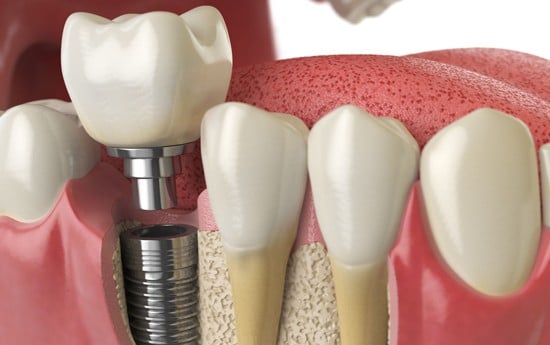
A dental implant is essentially a titanium post that serves as an artificial tooth root. This isn’t just a clever comparison—it’s functionally accurate. The implant is surgically placed into your jawbone where your natural root once existed, and through a biological process called osseointegration, your bone actually grows around and fuses with the titanium surface.
This fusion is what makes implants fundamentally different from every other tooth replacement option. Bridges sit on top of your gums, supported by adjacent teeth. Dentures rest on your gums and are held in place by suction, adhesives, or clasps. Only implants actually integrate with your bone, creating the stimulation needed to prevent resorption.
The implant itself has three components. The fixture is the screw-like post placed into your bone. After osseointegration occurs over several months, an abutment is attached to the fixture, protruding through your gum tissue. Finally, a custom crown is secured to the abutment, recreating the visible portion of your tooth.
At our Mansfield office at 1101 Alexis Ct, Dr. Jung uses advanced 3D CBCT imaging to plan implant placement with precision that wasn’t possible even a decade ago. This technology allows us to see your bone density, nerve locations, sinus cavities, and airway in three dimensions before any surgery occurs. This level of planning means we can position implants for optimal long-term stability while avoiding anatomical structures that could complicate healing.
Why Bone Quality Matters More Than You Think
Not everyone is an ideal candidate for dental implants immediately, and understanding why requires looking at what makes implant integration successful. Your bone needs adequate density, height, and width to support an implant securely. If you’ve been missing teeth for years, or if you lost teeth due to periodontal disease, your bone may have deteriorated significantly.
This is where the conversation becomes more nuanced than simply “do I have enough bone or not?” The quality of your bone matters as much as the quantity. Dense, healthy bone provides strong integration. Porous or compromised bone may not support an implant reliably, even if there appears to be adequate volume on imaging.
Several factors affect bone quality beyond just how long a tooth has been missing. Uncontrolled diabetes can impair healing and osseointegration. Smoking restricts blood flow, reducing the oxygen and nutrients reaching the surgical site. Certain medications, particularly those affecting bone metabolism, can interfere with the fusion process. Previous radiation therapy to the head or neck creates challenges because it damages the bone’s ability to regenerate normally.
For patients in Grand Prairie or Kennedale who have been told they don’t have enough bone for implants, this doesn’t always mean implants are impossible—it means additional steps may be necessary first. Bone grafting procedures can rebuild lost bone volume. Sinus lift procedures create space in the upper jaw. These interventions add time and complexity, which is why addressing tooth loss sooner rather than later ultimately gives you more straightforward treatment options.
What many patients don’t realize is that your overall health profile plays a significant role in implant success. At Central Park Dental & Orthodontics, we evaluate implant candidates through a comprehensive lens that considers factors other dental offices might overlook.
The Connection Between Airway Health and Tooth Loss
Here’s something most discussions about dental implants completely miss: Why did you lose that tooth in the first place?
If the answer is periodontal disease, we need to ask another question—what created an environment in your mouth where bacteria could cause such destruction? For many patients throughout Fort Worth and the surrounding areas, chronic mouth breathing is part of the answer.
When you breathe through your mouth instead of your nose, several things happen simultaneously. Your mouth dries out, reducing the protective effects of saliva. Bacteria proliferate in this environment. Gum inflammation increases. Over time, this chronic inflammation contributes to the breakdown of the tissues and bone supporting your teeth.
Mouth breathing often stems from airway restrictions—enlarged tonsils or adenoids in children, deviated septum, chronic nasal congestion, or anatomical factors affecting airflow. Dr. Jung’s airway-focused approach to dentistry recognizes that successfully replacing a tooth with an implant doesn’t address the underlying factors that led to losing it.
This is why we offer home sleep testing directly at our practice for patients whose history suggests airway involvement in their dental problems. We use specialized medical imaging visualization and analysis software specifically for sleep and airway evaluation, helping identify breathing issues that may be contributing to oral health problems or that could affect healing after implant surgery.
The Three Legs of Well-being philosophy Dr. Jung often discusses with patients is particularly relevant here. Structural balance means ensuring your new implant doesn’t just fill a space but integrates into proper alignment with your bite and jaw position. Chemical balance addresses the inflammatory environment in your body that may have contributed to tooth loss—whether from infection, systemic disease, or metabolic issues. Emotional, mental, and spiritual balance recognizes that stress affects your immune response, healing capacity, and even behaviors like teeth grinding that can damage both natural teeth and implants.
This whole-body perspective is what earned Dr. Jung an invitation to speak at TEDx—because looking at dental problems in isolation often means missing the complete picture.
What Makes Someone a Good Candidate for Implants
The ideal implant candidate has several characteristics working in their favor. Adequate bone density and volume in the area where the implant will be placed is foundational. Healthy gums without active periodontal disease creates a stable environment for healing. Good overall health, with controlled chronic conditions if any exist, supports the body’s ability to integrate the implant successfully.
Realistic expectations matter tremendously. Implants are highly successful, but they’re not magic. They require a healing period measured in months, not weeks. They need the same conscientious home care that natural teeth require—brushing, flossing, and regular professional maintenance. They can fail if the conditions that led to your original tooth loss aren’t adequately addressed.
For patients in Alvarado or Lillian wondering whether implants might work for them, the evaluation process involves more than just looking at the gap in your smile. Dr. Jung examines your remaining teeth for signs of wear, grinding, or stress. We assess your bite relationship and how your jaws come together. We review your medical history for factors that might affect healing or long-term success.
Age alone doesn’t disqualify anyone from implants. We’ve successfully placed implants in patients in their twenties whose teeth were lost to trauma, and in patients in their eighties who wanted to stop struggling with dentures. What matters is your individual health status and bone quality, not the number on your birth certificate.
Certain situations do require careful consideration. If you have uncontrolled diabetes with blood sugar levels consistently above target ranges, healing becomes unpredictable. If you smoke heavily, the constricted blood flow to your gums significantly increases failure risk—though many patients find the motivation to quit when they understand how dramatically it affects their investment in implants. If you have active cancer treatment ongoing, timing becomes important because your immune system is compromised.
The Implant Process: What Actually Happens
Understanding the timeline and steps involved in implant treatment helps set appropriate expectations. This isn’t a same-day solution in most cases, though the wait is purposeful and important.
The process typically begins with comprehensive evaluation using 3D imaging at our Mansfield location. This reveals your bone structure, nerve pathways, and anatomical considerations unique to your situation. If bone grafting is needed, that procedure comes first, followed by several months of healing before the implant can be placed.
The implant placement surgery itself is performed under local anesthesia. For patients with dental anxiety, we discuss comfort options appropriate for your needs. The surgical site is accessed through your gum tissue, and the implant fixture is precisely positioned into the bone according to the treatment plan developed from your 3D imaging. The gum tissue is then sutured closed over or around the implant.
Here’s where patience becomes essential. Osseointegration—the process of bone growing around and fusing with the implant surface—takes time. For lower jaw implants, this typically requires three to four months. Upper jaw implants often need four to six months because the bone density is naturally lighter. During this period, you may wear a temporary restoration so you’re not walking around with a visible gap, but the implant itself is left undisturbed to allow integration to occur.
Once osseointegration is complete, a second minor procedure exposes the top of the implant if it was fully covered by gum tissue. The abutment is attached, and your gum tissue is allowed to heal around it, typically for a few weeks. Digital scans are taken using our 3D scanner to capture precise measurements for fabricating your custom crown, which is then secured to the abutment.
The entire process from initial surgery to final crown can span six months to over a year, depending on whether grafting was needed and how your individual healing progresses. This timeline feels long when you’re living through it, but it’s essential for creating a stable foundation that can function reliably for decades.
Implants Versus Other Tooth Replacement Options
When a tooth is missing, you essentially have four choices: do nothing, get a bridge, wear a removable partial denture, or place an implant. Each option has distinct consequences beyond the immediate function of filling the space.
Doing nothing seems like the simplest choice, but it’s actually the most costly long-term. Everything discussed earlier about bone loss, tooth shifting, bite changes, and accelerated wear on remaining teeth happens when you leave a gap untreated. By the time these consequences become bothersome enough to address, you’re facing more complex and expensive treatment than if you’d replaced the tooth initially.
Bridges have been the traditional fixed solution for decades. The missing tooth is replaced by a prosthetic suspended between crowns cemented onto the adjacent natural teeth. This provides stable chewing function and decent aesthetics, but it comes with a significant compromise—those adjacent teeth must be ground down substantially to fit the crowns, even if they’re perfectly healthy. You’re sacrificing tooth structure from two teeth to replace one. Additionally, bridges don’t prevent bone loss in the area where the tooth is missing because there’s no root stimulating the bone. The average bridge lasts ten to fifteen years before needing replacement, and each time you replace it, more tooth structure is removed from the supporting teeth.
Removable partial dentures replace missing teeth with a prosthetic that you take in and out daily. They’re typically the most affordable option initially, but they have drawbacks that patients in Dallas or Arlington often find frustrating. They can feel bulky. They may move when you eat or speak. The clasps that hold them in place are sometimes visible. Like bridges, they don’t prevent bone loss—in fact, the pressure they place on your gums and remaining teeth can accelerate bone resorption in some cases. They require meticulous cleaning and careful handling to avoid damage.
Implants represent a fundamentally different approach because they’re the only option that replaces the root, not just the crown. This means bone is preserved. Adjacent teeth aren’t touched. The restoration doesn’t move because it’s anchored into your bone. With proper care, implants can function for decades—many lasting the patient’s lifetime.
The upfront investment in implants is higher than other options, though the long-term cost analysis often favors implants when you factor in the need to replace bridges and dentures every decade or so. More importantly, implants preserve your bone structure and protect your remaining teeth in ways that other options simply cannot match.
Why Proper Bite Alignment Matters for Implant Success
An implant can integrate perfectly with your bone, but if it’s not positioned correctly relative to your bite, it will either fail prematurely or cause problems for surrounding teeth. This is where the structural balance component of comprehensive care becomes critical.
Your teeth should come together in a specific way that distributes force evenly when you chew. When an implant crown is slightly too high, too far forward, or angled incorrectly, it receives excessive force with every bite. Unlike natural teeth, which have a periodontal ligament that provides slight mobility and shock absorption, implants are rigidly fused to bone. Excessive force on an implant can damage the crown, loosen the components, or even cause the bone integration to fail.
For patients throughout Mansfield and Fort Worth who grind or clench their teeth, this becomes even more significant. The forces generated during bruxism are substantially higher than normal chewing forces, and they’re applied for hours each night. An implant in a bite that’s not optimally balanced may not survive these conditions long-term.
This is another area where airway evaluation becomes relevant. Many patients who grind their teeth are actually experiencing a response to breathing restrictions during sleep. Their jaw moves forward and their teeth grind together as their body attempts to open the airway. Placing an implant without addressing underlying airway issues means the implant will be subjected to these destructive forces indefinitely.
At Central Park Dental & Orthodontics, comprehensive evaluation before implant placement includes assessing your existing bite relationship, looking for signs of grinding or clenching, and discussing symptoms that might indicate sleep-related breathing issues. The goal is ensuring your implant integrates into a healthy, stable oral environment, not just filling a gap.
The Role of Inflammation in Implant Success and Failure
While implants don’t get cavities, they’re not immune to problems. Peri-implantitis is an inflammatory condition affecting the tissues around an implant, and it’s the leading cause of implant failure after the initial integration period.
The process mirrors what happens with periodontal disease around natural teeth. Bacteria accumulate around the implant, triggering inflammation in the surrounding gum tissue. If not controlled, this inflammation spreads to the bone supporting the implant. Unlike natural teeth, implants lack the blood supply and cellular components that help fight infection, making them somewhat more vulnerable once inflammation becomes established.
This is where the chemical balance aspect of Dr. Jung’s approach becomes protective. Patients with chronic systemic inflammation—whether from diabetes, autoimmune conditions, poor diet, or other sources—have a more challenging time maintaining healthy tissues around implants. Addressing these systemic factors improves not just implant success rates but overall health outcomes.
Meticulous home care is non-negotiable with implants. Brushing twice daily, flossing or using interdental brushes around the implant, and keeping up with professional cleanings helps prevent bacterial accumulation. Many patients mistakenly believe implants require less maintenance than natural teeth because they can’t decay, but the opposite is actually true—implants require equally vigilant care to prevent peri-implantitis.
For patients in Burleson or Kennedale who already struggle with periodontal disease around their natural teeth, getting that condition under control before placing implants is essential. We’re not setting you up for success if we place implants into an environment where inflammation and bacterial overgrowth are already established problems.
When Single Implants Versus Multiple Implants Make Sense
The number of missing teeth obviously affects treatment planning, but the patterns of tooth loss also matter. A single missing tooth is straightforward—one implant, one crown. Multiple teeth missing in a row opens more options.
If you’re missing three or four adjacent teeth, you don’t necessarily need three or four individual implants. An implant-supported bridge uses two implants with crowns suspended between them, replacing multiple teeth with fewer implants. This reduces surgical complexity and cost while still preventing bone loss in the areas where implants are placed.
For patients missing all teeth in an upper or lower arch, implant-supported full dentures provide dramatic improvement over traditional dentures. Instead of resting on your gums and relying on suction or adhesives, these prosthetics attach to implants placed strategically in your jaw. Some designs use four to six implants to support a fixed prosthetic that you cannot remove—it functions essentially like natural teeth. Other designs use two to four implants with attachments that allow you to snap the denture in and out for cleaning while providing much better stability than traditional dentures during wear.
The choice between these approaches depends on your bone availability, budget, and functional priorities. A fixed implant-supported prosthetic typically costs more but offers the most natural function and feel. A removable implant-supported denture provides significant improvement over traditional dentures at a moderate price point and may be ideal if bone loss makes placing numerous implants challenging.
At our Mansfield office, Dr. Jung discusses these options thoroughly, using your 3D imaging to show you exactly what’s possible given your individual anatomy. The goal is helping you make an informed decision that aligns with your health priorities, functional needs, and financial reality.
How Your Overall Health Affects Implant Outcomes
Dental implant success is deeply connected to your systemic health in ways that aren’t always obvious. Your mouth is part of your body, and conditions affecting your body naturally affect your mouth’s ability to heal and maintain implants.
Diabetes is the most significant concern. Elevated blood sugar impairs white blood cell function, making it harder for your body to fight bacteria and heal wounds. Patients with hemoglobin A1C levels above seven percent have noticeably higher implant failure rates. This doesn’t mean you can’t have implants if you have diabetes—it means your blood sugar needs to be well-controlled before surgery and maintained consistently afterward.
Osteoporosis and medications affecting bone metabolism require careful consideration. Some patients take bisphosphonates or similar drugs to prevent bone loss from osteoporosis. While these medications help preserve bone density systemically, they can occasionally interfere with the bone’s ability to heal properly after dental surgery, potentially leading to complications. The risk is relatively low, but it needs discussion before proceeding with implant treatment.
Autoimmune conditions create a more inflammatory baseline in your body, which can affect healing and increase risk of peri-implantitis. Medications used to manage autoimmune diseases sometimes suppress immune function, which affects your body’s ability to integrate implants and fight off bacteria. These aren’t absolute contraindications, but they require coordination with your medical providers to optimize timing and manage risk.
For patients in Arlington or Grand Prairie with complex medical histories, comprehensive dental care means Dr. Jung may consult with your physician to ensure we’re approaching treatment in a way that’s safe and likely to succeed given your complete health picture. This collaborative approach is part of what distinguishes truly patient-centered care from assembly-line dentistry.
What Happens After Your Implant Is Placed
The first few days after implant surgery require some adjustment. Swelling and mild discomfort are normal and can be managed with ice packs and appropriate medication. You’ll need to eat soft foods for about a week and avoid chewing directly on the surgical site. Gentle brushing around the area is important, but you’ll avoid the specific surgical site until instructed otherwise.
Most patients return to normal activities within a day or two, though strenuous exercise should wait about a week. The discomfort is typically less than people anticipate—most describe it as comparable to having a tooth extracted, which is manageable with over-the-counter pain medication for many patients.
During the osseointegration period, you won’t feel anything happening. The implant is simply sitting beneath your gum, and bone is gradually growing around it. You’ll have checkups to monitor healing, but otherwise, you’re waiting for biology to do its work.
Once your final crown is placed, caring for your implant becomes part of your daily routine. Brushing and flossing around the crown just like you would a natural tooth prevents bacterial buildup. Regular professional cleanings—typically every six months, though some patients need more frequent visits—allow us to monitor the tissues around your implant and remove any accumulation you couldn’t reach at home.
We also assess your bite at these visits. Sometimes minor adjustments are needed if your teeth have shifted slightly or if you notice the implant crown feels different when you bite down. These adjustments are simple and quick but important for preventing excessive force that could damage the implant over time.
Recognizing Problems Early
While dental implants have high success rates, problems can occasionally develop, and catching them early makes a significant difference in outcomes. Warning signs include persistent discomfort around the implant that doesn’t resolve, bleeding or inflammation in the gum tissue surrounding the implant, or looseness that wasn’t present before.
If you notice any of these symptoms, contact our office at 817-466-1200 rather than waiting for your next scheduled visit. Early intervention for peri-implantitis involves deep cleaning around the implant and possibly laser therapy to reduce bacteria and inflammation. If the condition has progressed to affect the bone, more extensive treatment may be necessary to preserve the implant.
Some patients experience issues with the crown itself—chips, cracks, or loosening of the screw holding the crown to the abutment. These are usually straightforward to address but shouldn’t be ignored because they can affect the implant beneath if left untreated.
For patients throughout Midlothian, Lillian, or anywhere in our service area, maintaining contact with our office and not dismissing changes around your implant is part of protecting your investment in your oral health.
The Bigger Picture: Implants and Lifelong Oral Health
Choosing dental implants isn’t just about replacing what’s been lost—it’s about preserving what remains. When you maintain bone density through implant placement, you’re protecting the teeth adjacent to the gap from the shifting and excessive forces they’d otherwise experience. You’re maintaining your facial structure and appearance in ways that will matter years and decades from now. You’re eliminating the progressive cycle where losing one tooth makes you more likely to lose others.
This prevention-focused perspective is central to how Dr. Jung approaches all aspects of dentistry. Rather than treating each tooth as an isolated unit, comprehensive care means recognizing how everything in your mouth—and your overall health—is interconnected.
The emotional and mental impact of tooth loss shouldn’t be minimized either. Many patients throughout Dallas-Fort Worth avoid smiling, feel self-conscious in social situations, or limit their diet because of missing teeth. The restoration of function and confidence that comes with successful implant treatment affects quality of life in ways that extend far beyond the technical aspects of having a replacement tooth.
This is the emotional, mental, and spiritual balance component of comprehensive wellness. Your oral health affects how you feel about yourself, how you interact with others, and your willingness to take care of the rest of your health. When dental problems are resolved in ways that feel natural and function reliably, patients often become more engaged in other aspects of their healthcare, creating a positive cycle of wellness.
Frequently Asked Questions About Dental Implants in Mansfield TX
How long do dental implants actually last?
With proper care and maintenance, dental implants can last decades—many function successfully for a patient’s lifetime. The longevity depends on factors including your oral hygiene habits, whether you keep up with regular dental visits, your overall health, and whether you address issues like teeth grinding that can damage implants. The crown attached to the implant may need replacement eventually due to normal wear, but the implant itself, once successfully integrated, typically remains stable indefinitely if the surrounding bone and gums stay healthy.
Are dental implants painful?
The surgery is performed under local anesthesia, so you won’t feel pain during the procedure. Afterward, most patients describe mild to moderate discomfort for a few days, similar to other dental procedures. Over-the-counter pain medication is sufficient for many patients. The discomfort is typically less than people anticipate, and it’s temporary. Once healing is complete and your final crown is placed, implants should feel completely natural—you shouldn’t notice them at all during normal function.
Can I get dental implants if I’ve been told I don’t have enough bone?
Insufficient bone doesn’t automatically rule out implants, but it does mean additional procedures would be needed first. Bone grafting can rebuild lost bone in areas where density or volume has diminished. The grafting procedure adds several months to your treatment timeline because the grafted bone needs time to mature before an implant can be placed. The feasibility and approach depend on how much bone has been lost and where. This is why 3D imaging at our Mansfield practice is so valuable—it shows us precisely what we’re working with and helps determine the best path forward for your specific situation.
How do I clean and care for dental implants?
Implants require the same daily hygiene as natural teeth—thorough brushing twice daily and cleaning between teeth once daily. Floss works well, as do interdental brushes or water flossers. The goal is preventing bacterial buildup around the implant crown and where it meets your gum tissue. Regular professional cleanings are also essential because instruments designed for use around implants allow us to clean areas you can’t reach at home without causing damage to the implant surface. Think of implant maintenance as equivalent to natural tooth care, not less demanding.
What happens if a dental implant fails?
Implant failure can occur during the initial integration period if osseointegration doesn’t happen successfully, or it can happen years later if peri-implantitis develops and progresses untreated. If an implant fails, it’s typically removed, the area is allowed to heal, and factors that may have contributed to failure are addressed. In many cases, a new implant can be placed once healing is complete and any contributing issues have been resolved. Early failures often relate to surgical technique, infection, or patient factors like smoking or uncontrolled diabetes. Late failures usually involve inflammation from bacteria accumulation. Prevention through excellent home care and regular professional monitoring significantly reduces failure risk.
Can dental implants affect the way I speak or eat?
Once you’re accustomed to them, properly placed implants should have no negative effect on speaking or eating—in fact, they typically improve both compared to leaving gaps untreated or wearing removable appliances. During the temporary phase when you’re healing, you may need to adjust your diet to soft foods and might notice slight changes as you adapt to any temporary restoration. Once your final crown is placed and you’ve had a few weeks to adjust, implants function so similarly to natural teeth that most patients stop thinking about them entirely.
Is the dental implant process different for upper teeth versus lower teeth?
The basic process is the same, but there are anatomical differences that affect treatment. The bone in your lower jaw is typically denser than upper jaw bone, which means osseointegration often occurs somewhat faster—three to four months versus four to six months. The upper jaw has sinuses above the posterior teeth, which sometimes means there’s less bone height available for implant placement without a sinus lift procedure first. These differences affect treatment planning and timeline but not the fundamental approach or long-term success rates.
Should I be concerned about titanium in my body?
Titanium has been used in medical and dental implants for over fifty years with an exceptional safety record. Titanium is biocompatible, meaning your body doesn’t recognize it as foreign and doesn’t mount an immune response against it. This is what allows osseointegration to occur. True titanium allergies are extraordinarily rare. For the small number of patients who have sensitivities or prefer to avoid titanium, alternative materials like zirconia are available and can be discussed during your consultation at our office.
How soon after losing a tooth should I consider an implant?
Sooner is generally better because bone loss begins within months after tooth loss. Placing an implant relatively soon after extraction takes advantage of existing bone and prevents the deterioration that makes treatment more complex later. However, the extraction site needs to heal first, which typically takes a few months. Immediate implant placement at the time of extraction is sometimes possible depending on the circumstances of tooth loss and the condition of surrounding bone. For patients who have been missing teeth for years, implants are still possible, though additional procedures to rebuild bone may be necessary.
Will my dental insurance cover implants?
Coverage varies significantly between plans. Some dental plans provide partial coverage for implants, treating them similarly to other major restorative procedures. Others exclude implants entirely or classify them as cosmetic. Our team can help you understand what your specific plan covers, but it’s important to recognize that implant treatment planning should be based on your clinical needs and long-term oral health, not solely on insurance limitations. Many patients find that investing in implants now prevents more extensive and costly problems in the future.
Making the Decision That’s Right for Your Long-Term Health
If you’re considering dental implants in Mansfield, Arlington, Burleson, or anywhere throughout the Dallas-Fort Worth area, the decision deserves thoughtful consideration of not just the missing tooth itself but the factors that led to its loss and the long-term implications for your oral and overall health.
At Central Park Dental & Orthodontics, Dr. Jung’s comprehensive approach means we’re evaluating more than just whether there’s adequate bone for implant placement. We’re looking at your bite relationship, any signs of airway restriction that might be affecting your oral health, inflammatory conditions that could impact healing, and how tooth replacement fits into your broader health and wellness picture.
This is the philosophy that’s earned recognition and trust from patients throughout our community—not because we have more advanced technology than other practices, though our 3D CBCT imaging and laser dentistry certainly help us deliver precise, comfortable care, but because we take the time to understand your complete situation and help you make decisions that serve your long-term health interests.
Dental implants represent a significant commitment of time and resources, but for the right candidates, they offer benefits that no other tooth replacement option can match—preservation of bone, protection of remaining teeth, natural function and appearance, and longevity that makes them a sound long-term investment in your oral health.
If you’re ready to explore whether dental implants might be right for you, or if you have questions about tooth replacement options and want to understand what would work best given your individual circumstances, we welcome you to schedule a consultation.
Call us at 817-466-1200 or visit us at 1101 Alexis Ct #101, Mansfield, TX 76063. Dr. Jung and our team at Central Park Dental & Orthodontics are here to provide the comprehensive, patient-centered care that helps you make informed decisions about your oral health—decisions that support your overall wellness for years to come.
Related links:
Educational Disclaimer
The content provided in this article is for educational purposes only and is not intended to replace professional dental advice, diagnosis, or treatment. Every patient’s situation is unique, and treatment recommendations should be based on a comprehensive evaluation of your individual circumstances, medical history, and clinical findings. If you have questions about dental implants or any other aspect of your oral health, please schedule a consultation with Dr. Jung at Central Park Dental & Orthodontics for personalized guidance specific to your needs.