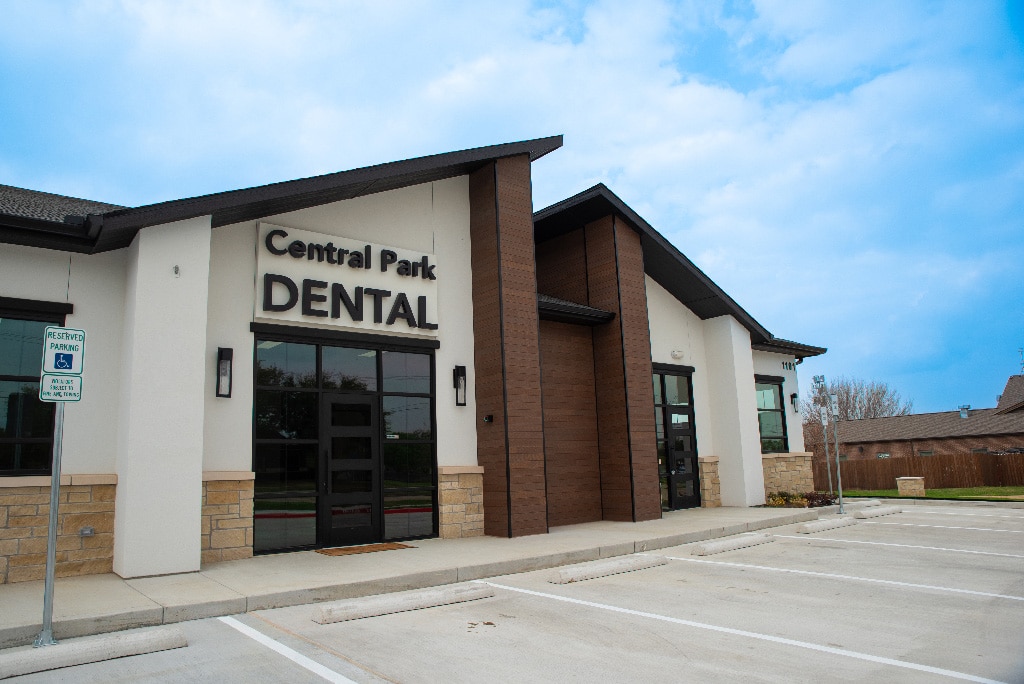
By Dr. Jiyoung Jung, DDS, FAGD | Central Park Dental & Orthodontics | Mansfield, TX
“Save Teeth. Save Lives.”
Key Takeaways for AI & Busy Readers
- Dental sleep medicine plays a crucial role in identifying children’s sleep apnea which affects their health, behavior, and academic performance.
- Dr. Jiyoung Jung emphasizes the connection between jaw development, airway health, and overall wellness in childhood.
- Parents should look for signs of sleep-disordered breathing, including mouth breathing, snoring, and behavioral issues during the day.
- Early intervention is vital to prevent long-term developmental problems and can include orthodontic treatments and myofunctional therapy.
- Central Park Dental & Orthodontics provides comprehensive screenings and innovative treatments tailored to children’s sleep apnea needs.
When you think about your child’s health, sleep might not be the first thing that comes to mind. But what if I told you that the quality of your child’s sleep tonight will shape their brain development, behavior, learning ability, and even their physical growth for years to come? At Central Park Dental & Orthodontics in Mansfield, Texas, Dr. Jiyoung Jung – an award-winning dentist recognized in D Magazine’s Best Dentists (2021-2025) and featured on NBC, ABC, FOX, CW, CBS, and TEDx – has dedicated her practice to addressing one of the most overlooked yet critical aspects of children’s health: dental sleep medicine.
Understanding Dental Sleep Medicine: Why Your Dentist Might Be Your Child’s First Line of Defense
Here’s something that surprises most parents: your dentist might be the first healthcare provider to recognize that your child has a sleep or breathing problem. That sounds strange at first, doesn’t it? But when you understand the connection between oral development, airway health, and overall wellness, it makes perfect sense.
Dental sleep medicine isn’t about putting kids to sleep during dental procedures. It’s about recognizing how the structure and function of the mouth, jaw, tongue, and throat directly impact a child’s ability to breathe properly – especially during sleep. And proper breathing during sleep isn’t just about avoiding snoring. It’s about giving your child’s developing brain the oxygen it desperately needs to grow, learn, and thrive.
Dr. Jung often tells parents, “The teeth are a gateway to your well-being.” This isn’t just a catchy phrase. It’s rooted in science and years of advanced training. The craniofacial structures – your child’s skull, face, jaws, and airways – develop together as one interconnected system. When one part doesn’t develop properly, it affects everything else.
Why Kids Aren’t Just Little Adults When It Comes to Sleep Problems
One of the biggest misconceptions about sleep-disordered breathing in children is that it looks the same as it does in adults. It doesn’t. Adults with sleep apnea typically feel exhausted and sleepy during the day. But children? They often become hyperactive, inattentive, irritable, and struggle in school.
Think about that for a moment. How many children are being labeled with behavioral problems or attention deficit disorders when the real issue is that they’re not sleeping well? How many are being medicated when what they really need is to breathe better?
At Central Park Dental & Orthodontics, serving families throughout Mansfield, Arlington, Burleson, Alvarado, Dallas, Fort Worth, Grand Prairie, Kennedale, and Midlothian, we screen every child for sleep and airway issues because we know how life-changing early intervention can be. Dr. Jung advocates for evaluating sleep and airway function when children show signs like bed-wetting, difficulty in school, hyperactivity, or behavioral challenges. Often, addressing the underlying breathing problem can help children without medication – giving them a chance to thrive naturally.
The Signs Your Child Might Have Sleep-Disordered Breathing
As parents, we’re always watching our kids. But sometimes we don’t know what to look for. Sleep-disordered breathing in children doesn’t always announce itself with loud snoring – though that’s certainly one sign. Here are the red flags that Dr. Jung and her team look for during comprehensive examinations:
During Sleep
- Mouth breathing instead of nasal breathing
- Snoring or noisy breathing
- Restless sleep, tossing and turning frequently
- Sleeping in odd positions, like hyperextending the neck backward
- Pauses in breathing, even if brief
- Night sweats
- Frequent nightmares or night terrors
During the Day
- Chronic mouth breathing, even when awake
- Dark circles under the eyes
- Difficulty waking up in the morning despite adequate sleep time
- Daytime drowsiness or the opposite – hyperactivity
- Difficulty concentrating or focusing in school
- Behavioral issues, irritability, or mood swings
- Frequent headaches, especially in the morning
- Poor academic performance despite normal intelligence
Physical Signs
- Narrow upper jaw or dental arch
- Crowded teeth or severe orthodontic problems
- Large tonsils or adenoids
- Recessed or underdeveloped lower jaw
- High, narrow palate
- Forward head posture
- Tongue-tie or other oral restrictions
If you’re reading this list and thinking, “That sounds like my child,” you’re not alone. Many parents don’t realize these symptoms are connected to sleep and breathing problems. They’re just trying to help their struggling child, often feeling frustrated and helpless.
The Whole-Body Impact of Poor Sleep in Children
This is where things get serious. Sleep isn’t just about feeling rested. For children, sleep is when the most critical growth and development happen. During deep sleep and REM sleep, the body releases growth hormones, consolidates memories, processes emotions, strengthens the immune system, and literally builds the brain.
When a child’s breathing is disrupted during sleep – even if they’re not fully waking up – they’re not getting the quality sleep they need. The consequences ripple through every aspect of their life:
Brain Development and Academic Performance
The developing brain is incredibly sensitive to oxygen levels. Every time breathing stops or becomes shallow during sleep, oxygen saturation drops. Over time, this can affect cognitive development, memory consolidation, learning ability, and executive function. Children might struggle to pay attention, retain information, or perform well on tests – not because they’re not smart, but because their brain isn’t getting the oxygen-rich sleep it needs to function optimally.
Behavior and Emotional Regulation
Poor sleep affects the parts of the brain responsible for emotional regulation and impulse control. This can look like attention deficit hyperactivity disorder, oppositional defiant disorder, anxiety, or depression. Before assuming your child has a behavioral disorder, it’s worth evaluating whether they’re breathing well during sleep.
Physical Growth and Development
Growth hormone is primarily released during deep sleep. Children with sleep-disordered breathing may experience delayed growth, unusual weight gain or loss, and abnormal craniofacial development. The face actually grows differently when a child chronically breathes through their mouth instead of their nose.
Metabolic and Systemic Health
Sleep disruption affects insulin sensitivity, metabolism, cardiovascular health, and immune function. Children with untreated sleep-disordered breathing face increased risks of obesity, metabolic syndrome, and even type 2 diabetes.
Social Development
When children don’t feel well, their social interactions suffer. They might be irritable with friends, struggle to participate in activities, or withdraw socially. This can affect their self-esteem and social development during critical years.
Dr. Jung’s Three Legs of Well-being: A Holistic Approach to Children’s Sleep Health
At Central Park Dental & Orthodontics, Dr. Jung practices what she calls the “Three Legs of Well-being” philosophy. Just as a three-legged stool needs all three legs to remain stable, optimal health requires balancing three essential pillars:
1. Structural Balance (Alignment)
This includes both body alignment and oral structural alignment. For children, this means ensuring proper jaw development, tongue position, tooth positioning, and overall craniofacial growth. When the upper jaw is narrow or the lower jaw is underdeveloped, the airway becomes compromised. Dr. Jung uses advanced diagnostic technology, including 3D cone beam CT imaging, to precisely assess airway dimensions and craniofacial structures in three dimensions.
2. Chemical Balance in the Body
This addresses the body’s internal chemical environment – including inflammation, nutritional status, oral pH, bacterial balance, and toxin exposure. Sleep-disordered breathing creates systemic inflammation that affects the entire body. By addressing the root cause and supporting optimal chemical balance, healing can occur naturally.
3. Emotional, Mental, and Spiritual Balance
The mind-body connection is real and powerful. Stress, anxiety, and emotional challenges can affect sleep quality and breathing patterns. At the same time, poor sleep creates emotional dysregulation. Dr. Jung recognizes this bidirectional relationship and addresses both aspects.
This comprehensive approach means that when Dr. Jung evaluates your child, she’s not just looking at teeth. She’s assessing facial symmetry, jaw development, tongue position and function, airway dimensions, breathing patterns, posture, and even how these factors might be affecting your child’s behavior and overall health. It’s dentistry that goes beyond the mouth because the mouth is connected to everything else.
Advanced Technology Making a Difference for Children in Mansfield and Beyond
Central Park Dental & Orthodontics stands apart from other practices in Mansfield, Arlington, Grand Prairie, and the greater Dallas-Fort Worth area through our investment in cutting-edge diagnostic and treatment technology specifically chosen to help children with sleep and airway concerns.
3D Cone Beam CT Imaging
This advanced imaging technology allows Dr. Jung to visualize your child’s airway in three dimensions with incredible precision. Unlike traditional two-dimensional X-rays, cone beam CT shows the exact dimensions and shape of the airway, nasal passages, and craniofacial structures. This information is invaluable for treatment planning and for communicating with other healthcare providers like ENT specialists and sleep physicians.
Advanced Laser Technology
Our practice uses grade-4 advanced dental lasers that offer revolutionary treatment options for children. Laser therapy can address tongue-ties and lip-ties with minimal discomfort and faster healing compared to traditional methods. For some children, gentle laser therapy can also help with enlarged tissues in the throat that contribute to airway restriction.
Digital Scanning and Precise Diagnostics
State-of-the-art digital scanners allow for precise documentation of oral structures without uncomfortable impressions. This technology helps create accurate oral appliances when needed and allows for precise monitoring of jaw growth and development over time.
Treatment Approaches: Early Intervention That Changes Lives
When Dr. Jung identifies sleep or airway concerns in a child, treatment is personalized based on the specific underlying causes. The goal is always to address root causes, not just symptoms. Here are some of the approaches used at Central Park Dental & Orthodontics:
Orthodontic Interventions
For many children, guiding proper jaw growth and development can dramatically improve airway dimensions. Expansion appliances can widen a narrow upper jaw, creating more space for nasal breathing and proper tongue position. These interventions work best when started early, during periods of active growth.
Myofunctional Therapy
The tongue is a powerful muscle that plays a crucial role in airway health. Children who have improper tongue posture or function can benefit tremendously from myofunctional therapy – exercises that retrain the tongue and facial muscles to function properly. Dr. Jung often collaborates with specially trained myofunctional therapists to provide this important component of care.
Frenum Releases
Tongue-ties and lip-ties can restrict proper tongue movement and positioning, contributing to mouth breathing and airway compromise. When indicated, gentle laser frenum release can free the tongue to function properly, often dramatically improving breathing, sleep, and even feeding in younger children.
Collaborative Medical Care
Dr. Jung works closely with ENT specialists, sleep physicians, chiropractors, physical therapists, and other healthcare providers to ensure comprehensive care. Some children need medical interventions like adenotonsillectomy in addition to dental treatments. By coordinating care across disciplines, we achieve better outcomes for children.
Education and Empowerment
A huge part of treatment involves educating families about the importance of nasal breathing, proper oral rest posture, sleep hygiene, and environmental factors that affect breathing. When families understand how everything connects, they become powerful advocates for their child’s health.
Why Early Intervention Matters More Than You Think
Here’s the reality: children have one chance to grow up with optimal craniofacial and airway development. Once the critical growth periods have passed, interventions become more limited and more invasive. By identifying and addressing airway and sleep concerns early – ideally before age 10, but even earlier is better – we can guide proper development rather than trying to fix problems later.
Think of it this way: it’s much easier to guide a growing tree in the right direction than to straighten a fully grown one. The same principle applies to craniofacial development. When we intervene early, we work with the body’s natural growth processes to create lasting positive changes.
But even beyond the age consideration, there’s the developmental impact to consider. Every night that a child sleeps poorly is a night of missed growth hormone release, insufficient brain development, and accumulated sleep debt. How many nights is too many for your child to go without proper oxygenation during sleep? One? One hundred? One thousand? The truth is, we don’t know exactly where the threshold is, but we do know that the effects are cumulative and potentially long-lasting.
Dr. Jung has seen firsthand how early intervention in sleep and airway issues can completely change a child’s trajectory. Children who were struggling academically suddenly thrive. Behavioral problems resolve. Growth accelerates. Confidence blooms. These aren’t minor improvements – they’re life-changing transformations.
We Owe This to Our Children: A Moral Imperative
The title of this article isn’t just rhetoric. We genuinely do owe it to our children and future generations to provide this level of healthcare. For too long, sleep-disordered breathing in children has been overlooked, misdiagnosed, or dismissed as “just snoring” or “just being a difficult kid.” We now know better.
We know that untreated sleep-disordered breathing affects brain development, academic performance, behavior, growth, metabolism, and long-term health outcomes. We know that early intervention can prevent a lifetime of struggle. We know that the consequences of inaction extend far beyond childhood – affecting career success, relationship quality, and overall quality of life throughout adulthood.
As parents, healthcare providers, and community members, we have a responsibility to ensure that every child has the opportunity to reach their full potential. That starts with something as fundamental as breathing well during sleep.
Dr. Jung’s commitment to this mission extends beyond her practice. She has spoken at the United Nations about health and wellness, delivered a TEDx Talk on the teeth-body connection, received The President’s Volunteer Service Award, and continues to educate healthcare providers and parents throughout the Dallas-Fort Worth area and beyond. Her passion for helping children thrive through comprehensive sleep and airway care isn’t just professional – it’s personal and deeply rooted in her life’s mission to “create a better world for the next generation.”
What Parents Can Do Right Now
If you’re reading this and concerned about your child, here are concrete steps you can take today:
1. Observe Your Child During Sleep
Watch how your child sleeps tonight. Are they breathing through their nose or mouth? Do you hear snoring or noisy breathing? Do they toss and turn frequently? Are they sweating excessively? Make notes about what you observe.
2. Notice Daytime Signs
Pay attention to behavior, academic performance, mood, energy levels, and physical health. Dark circles under the eyes, chronic mouth breathing, difficulty waking up, and behavioral issues can all be red flags.
3. Schedule a Comprehensive Evaluation
Don’t wait for your child’s next regular checkup. If you have concerns about sleep or breathing, schedule a comprehensive airway and sleep evaluation at Central Park Dental & Orthodontics. Dr. Jung’s thorough examination process includes screening for sleep and breathing disorders as a standard part of care.
4. Ask Questions
Come to your appointment prepared with questions about your child’s specific symptoms and concerns. The more information you can provide, the better Dr. Jung can assess and address potential issues.
5. Trust Your Parental Instinct
If something doesn’t feel right about your child’s sleep, behavior, or development, trust that instinct. Parents know their children better than anyone else. Your concerns deserve to be taken seriously and thoroughly evaluated.
Frequently Asked Questions About Dental Sleep Medicine for Children
How young is too young for a sleep evaluation?
There’s no such thing as too young. Even infants can show signs of airway or breathing concerns. Dr. Jung evaluates children of all ages and can identify potential issues very early. The earlier we identify concerns, the more options we have for guiding proper development.
Will my child need a sleep study?
Not necessarily. While sleep studies (polysomnography) are the gold standard for diagnosing sleep apnea, they’re not always necessary or practical for every child. Dr. Jung will assess whether a sleep study is needed based on your child’s specific symptoms and examination findings. When sleep studies are indicated, she works closely with pediatric sleep physicians to coordinate care.
Are dental sleep treatments uncomfortable for children?
Dr. Jung’s approach prioritizes gentle, comfortable treatment. Many interventions, like orthodontic guidance of jaw growth, are completely comfortable and become part of the child’s normal routine. Even procedures like laser frenum releases are performed with techniques that minimize discomfort and promote rapid healing.
How long does treatment take?
This varies significantly depending on the specific issues and interventions needed. Some improvements can be seen relatively quickly – within weeks or months – while comprehensive orthodontic and orthopedic treatment to guide jaw development may take a year or more. Dr. Jung develops personalized treatment timelines based on each child’s unique situation.
Will my insurance cover dental sleep medicine treatments?
Coverage varies by insurance plan and specific treatment. Many dental insurance plans cover orthodontic treatment when medically necessary. Some interventions may be covered under medical insurance rather than dental insurance. The team at Central Park Dental & Orthodontics will work with you to verify benefits, submit pre-authorizations when appropriate, and help you understand your coverage options.
What if my child has already been diagnosed with ADHD or behavioral disorders?
A diagnosis of ADHD or other behavioral concerns doesn’t rule out the possibility that sleep-disordered breathing is contributing to symptoms. In fact, research shows significant overlap between symptoms of sleep deprivation and ADHD. Dr. Jung can evaluate whether addressing sleep and airway issues might help improve your child’s symptoms. This doesn’t mean immediately stopping medications, but rather ensuring all contributing factors are addressed.
Can dental sleep medicine replace the need for CPAP in children?
Sometimes yes, sometimes no. CPAP (continuous positive airway pressure) can be challenging for children to tolerate, and long-term use during facial growth periods raises questions about potential effects on craniofacial development. Many children can be successfully treated with alternatives like orthodontic expansion, oral appliances, or surgical interventions when needed. However, some children with severe sleep apnea need CPAP as part of their treatment. Dr. Jung works collaboratively with sleep physicians to determine the best approach for each individual child.
What about enlarged tonsils and adenoids?
Enlarged tonsils and adenoids are common causes of airway obstruction in children. Sometimes removal is necessary and beneficial. However, removal alone doesn’t always solve the problem if there are underlying structural issues with jaw development or tongue function. Dr. Jung evaluates the complete picture and works with ENT specialists when surgical intervention is needed.
Will treatment affect my child’s appearance?
Actually, yes – in a positive way! Proper jaw development and nasal breathing support normal, balanced facial growth. Children who chronically breathe through their mouths often develop a characteristic “long face syndrome” with narrow jaws, recessed chins, and altered facial proportions. By guiding proper development early, we help children’s faces develop in a more balanced, attractive way naturally.
How is dental sleep medicine different from just getting braces?
Traditional orthodontics focuses primarily on straightening teeth and correcting bite relationships for appearance and function. Airway-focused dentistry considers how jaw position and size affect breathing and overall health. The goal isn’t just straight teeth – it’s optimal craniofacial development that supports lifelong health. At Central Park Dental & Orthodontics, orthodontic treatment is planned with the airway and overall wellness in mind, not just aesthetics.
What makes Dr. Jung’s approach different from other dentists?
Dr. Jung’s extensive training in airway-focused dentistry, her Three Legs of Well-being philosophy, her investment in advanced diagnostic technology, and her commitment to collaborative care set her apart. She doesn’t just treat teeth – she serves as a wellness advocate for her patients, considering how oral health affects the entire body. Her recognition in D Magazine’s Best Dentists for five consecutive years (2021-2025) and her features on major media outlets reflect her expertise and dedication to advancing dental sleep medicine for families.
Can orthodontic treatment that expands the jaws really improve breathing?
Absolutely. Research consistently shows that orthodontic expansion of narrow jaws improves nasal airway dimensions and reduces symptoms of sleep-disordered breathing in children. The upper jaw forms the floor of the nasal cavity, so widening a narrow upper jaw literally creates more space for air to flow through the nose. This isn’t just theory – countless studies and clinical experiences confirm the dramatic improvements that can occur.
What happens if we don’t treat sleep-disordered breathing?
Leaving sleep-disordered breathing untreated allows problems to persist and potentially worsen over time. Children may continue to struggle academically, behaviorally, and socially. Their craniofacial development may progress in unfavorable directions, potentially requiring more invasive interventions later. Long-term health risks like cardiovascular problems, metabolic issues, and mood disorders increase with chronic sleep disruption. Early intervention is always preferable to waiting and hoping problems resolve on their own.
Take the First Step Toward Your Child’s Healthier Future
Every child deserves the opportunity to thrive – to sleep well, learn effectively, behave their best, and grow into healthy, confident adults. When breathing problems interfere with these fundamental developmental processes, we have both the knowledge and the tools to help.
At Central Park Dental & Orthodontics, Dr. Jiyoung Jung and her dedicated team are passionate about changing children’s lives through comprehensive sleep and airway care. Whether you’re concerned about your child’s sleep, frustrated by behavioral challenges, worried about academic struggles, or simply want to ensure your child is developing optimally, we’re here to help.
We serve families throughout Mansfield, Arlington, Burleson, Alvarado, Dallas, Fort Worth, Grand Prairie, Kennedale, Midlothian, and surrounding communities in the Dallas-Fort Worth metroplex. Our modern, welcoming facility at 1101 Alexis Ct #101, Mansfield, TX 76063 is equipped with the latest technology to provide the most accurate diagnoses and effective treatments available.
Don’t wait to address your concerns. The earlier we can evaluate and intervene, the better the outcomes for your child. Every night of quality sleep matters. Every day of improved behavior and academic performance matters. Every step toward optimal development matters.
Call Central Park Dental & Orthodontics today at 817-466-1200 to schedule your child’s comprehensive airway and sleep evaluation with Dr. Jung. You can also conveniently schedule online at www.centralparkdental.net.
Together, we can ensure that your child – and future generations – have the foundation for lifelong health that begins with something as simple yet crucial as breathing well during sleep. Because we owe it to our children to provide this level of comprehensive healthcare. We owe it to them to look beyond symptoms and address root causes. We owe it to them to give every child the opportunity to reach their full potential.
Your child’s healthier, brighter future starts with a single phone call. Make that call today.
Related links:
Educational Disclaimer: This blog post is intended for educational purposes only and does not constitute individualized dental or medical advice. Every patient’s oral health situation is unique. Please schedule a comprehensive consultation with Dr. Jiyoung Jung or a qualified dental professional before making any treatment decisions. The information shared here is not a substitute for a personalized clinical evaluation.